Sourced fact
The News
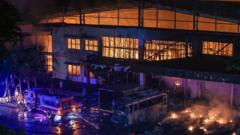
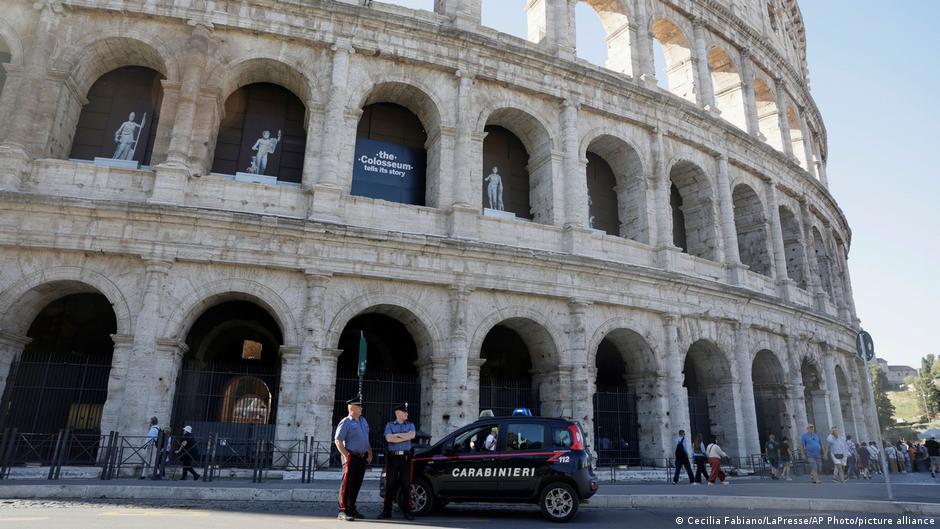
The Colosseum in Rome was closed on Wednesday after a 22-year-old worker fell to his death while working on installing new lighting. Andrea Moriety, a skilled laborer, died as a result of the accident that occurred overnight, prompting Italian Prime Minister Giorgia Meloni to express her deep shock and profound grief over this tragic disaster.
The Prime Minister stated that the death of a 22-year-old is unacceptable, especially when it happens in a workplace environment, while Italian Culture Minister Alessandro Gili described the incident as a tragedy that left everyone shocked and stunned. Deutsche Welle reported that authorities are currently working to determine the exact circumstances of the accident to identify its underlying causes.
The Ministry of Culture stated that the second section of the site where the accident occurred will be closed, and the entire site will remain closed to the public for the day after all visitors have left. The specific section of the arena was closed early in the morning on Wednesday as authorities continue to investigate the details of the incident.
The ancient Roman Colosseum is the largest stadium in the world built in the first century under the Roman Empire to host gladiator battles, animal hunts, and executions. This site is one of Rome's most iconic landmarks and receives up to 20,000 visitors daily during peak times, making any incident there attract widespread attention.
Analysis & context
Analysis & Context
From an analytical perspective, this incident highlights the risks inherent in restoration and maintenance work within fragile and complex archaeological sites like the Colosseum. Such operations often require precise coordination among different work teams to ensure safety, especially when dealing with ancient infrastructure that may be unstable.
In a broader context, the Colosseum represents one of the most important archaeological landmarks in Rome and the world, receiving up to 20,000 visitors daily during peak times. This massive Roman stadium was built in the first century AD to host gladiator battles, animal fights, and executions, making it a unique historical site that requires special care during maintenance work.
The Italian government's rapid response and deep grief underscore the importance of maintaining the safety of workers who contribute to preserving global heritage. Additionally, the partial or full closure of the site during work periods reflects the authorities' commitment to conducting serious investigations into such incidents to prevent their recurrence in the future.