Sourced fact
The News
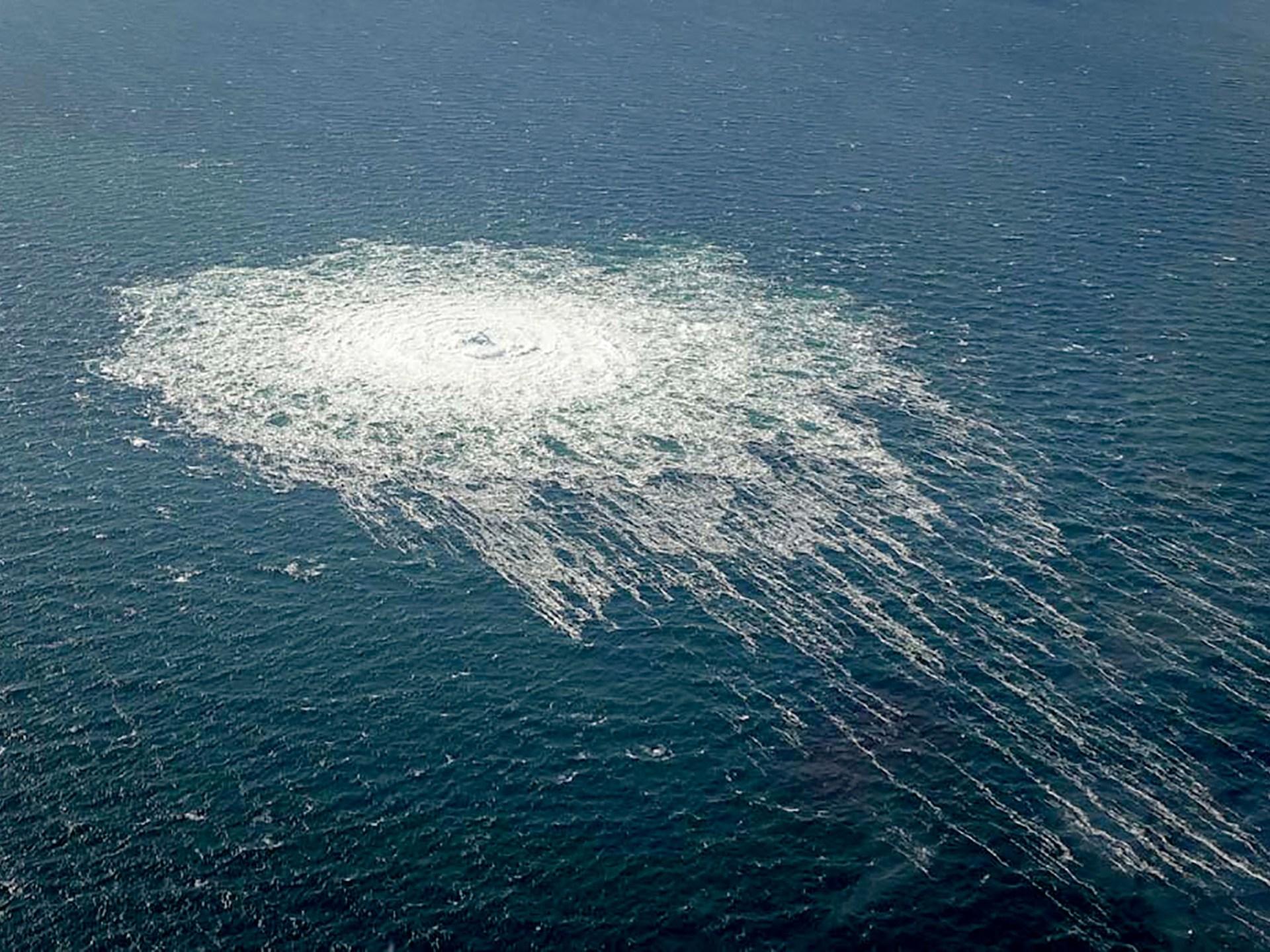
A Croatian court has approved the transfer of a Ukrainian national wanted in Germany for his alleged involvement in the 2022 explosions that damaged the Nord Stream gas pipelines. He was arrested in the Croatian city of Pula in August. German prosecutors identified the suspect as Vladimir Z, describing him as a trained diver who was part of the team that planted explosives on the underwater cables near Denmark's Bornholm island.
His lawyer, Ljubo Pavashević Višković, stated that the court approved the transfer on September 18 but noted that the ruling is not final and will be appealed, leaving the timing or possibility of execution unclear for now. As reported by AFP, the suspect was reportedly working unofficially on a Hollywood drama about the attack at the time of his arrest.
German prosecutors accuse Vladimir Z of working closely with another Ukrainian citizen, Serhiy K., who was detained in August 2025 during a raid in Italy and transferred to Germany last November. Serhiy K. is scheduled to face trial before the Hamburg Regional Higher Court on October 14, with proceedings expected to continue until February 2027.
The underwater attacks occurred months after Russia's full-scale invasion of Ukraine in 2022, during which three out of four pipelines connecting Russia to Europe were destroyed as European nations sought to reduce their dependence on Russian energy. German investigations suggest that a Ukrainian state agency ordered the attack to deprive Russia of revenue funding its war against Ukraine.
The German government expressed political discomfort over the case while maintaining judicial independence, and Ukrainian President Volodymyr Zelenskyy confirmed that his government had no knowledge of any plan to blow up the pipelines.
Analysis & context
Analysis & Context
From an analytical perspective, the Nord Stream case represents a politically and legally complex turning point between Germany and Ukraine. Berlin faces a politically awkward position as one of Kyiv's strongest allies in its fight against Moscow. German officials have pointed to judicial independence when questioned about this sensitive issue, which has sparked widespread debate over responsibility for the attack on critical infrastructure.
In the broader context, German investigations indicate that a Ukrainian state agency ordered the attack with the aim of cutting off Russia's revenue needed to fund its invasion of Ukraine. This allegation places Ukraine in a defensive position, as President Volodymyr Zelenskyy stated that his government had no knowledge of any plan to detonate the pipelines, adding another layer of political complexity to the case.
The evolution of the case demonstrates how international criminal investigations intersect with sensitive diplomatic relations among major powers, particularly amid the ongoing war in Ukraine and its impact on European energy security. The Nord Stream affair has raised questions about the transparency of military and security operations in conflict zones.
Moreover, it highlights the importance of European courts in handling cross-border cases involving suspects from multiple countries, reflecting the development of international judicial cooperation in addressing major crimes with geopolitical dimensions.