Sourced fact
The News
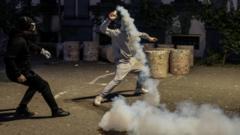
Violent clashes have broken out between protesters and riot police in Albania for the seventh consecutive day, with protesters demanding the resignation of Prime Minister Edi Rama. According to official reports, 295 people have been injured, including 186 police officers, in the Monday clashes.
Rama stated in a meeting with police chiefs that "the state will fall if it starts negotiating on this issue." He also accused external forces in Europe and the United States of planning these protests. The main demands of the protesters include improving university education conditions, combating corruption, and the departure of Rama.
In the capital Tirana, groups of students and young people attacked police stations and government buildings. According to human rights lawyer Getajana Serani, the police often arrest individuals without sufficient evidence. Serani told the BBC, "The police appear unorganized and ineffective in dealing with the protests."
In Rrioni Park, a BBC correspondent witnessed students collecting stones as shields against the police. When a convoy of police trucks approached, riot weapons including tear gas were used. Siderela Fatniqaj, an activist and master’s student, described her day as coordinating with different groups and ensuring the safety of friends and family during the protests. She added, "When I see people throwing stones at the police, I understand their anger, but I am not happy about it."
These protests reflect deep frustration among Albanian youth towards corruption and inequality, demanding fundamental changes in the political system. Despite Rama's 13-year rule, young people still feel the need for significant changes in the country.
Analysis & context
Analysis & Context
Analytically, the situation in Albania reflects deep frustration among the youth towards the current government and economic and educational conditions. The protests also reveal divisions within Albanian society over how to achieve political and social change. In a broader context, the situation in Albania reflects the challenges faced by small European countries in achieving democracy and transparency in governance. The ongoing protests are putting pressure on the government to implement political and economic reforms, raising questions about Rama's ability to fulfill his promise of Albania joining the European Union by 2030.