Sourced fact
The News
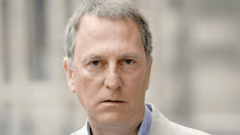
British journalist Mark Doyle has died at the age of 67 following a brief illness. He was renowned for his coverage of conflicts in Africa during the 1990s and the early 2000s. He joined the British Broadcasting Corporation (BBC) in 1986, becoming East Africa correspondent in 1993, where he gained fame for his reporting on the genocide in Rwanda.
In turn, Doyle worked as a West Africa correspondent between 1997 and 2002, delivering reports on the harsh civil war in Sierra Leone and the aftermath of conflict in Liberia. In 2004, he received first place in the awards given by the United Nations Association of Journalists / UN Foundation for his post-war coverage in Liberia.
Paul Dunahar, BBC's foreign affairs editor, stated that Doyle was a "legendary figure" and an "incredible, brave, and compassionate journalist." Sir David Richards, who led British forces in Sierra Leone in 2000, praised Doyle's reporting for helping convince the British government to intervene strongly.
Fergal Keane, another prominent BBC Africa correspondent, noted that Doyle "stayed longer than any of us" in Rwanda in 1994. He added that those who were present in that terrible place at that time know what Mark Doyle contributed to the cause of truth and to the BBC.
Analysis & context
Analysis & Context
From an analytical perspective, Mark Doyle's passing represents a significant loss for international journalism, particularly for those specializing in dangerous conflict zones. His ability to remain in areas such as Rwanda and Sierra Leone reflects rare courage and unwavering loyalty to journalistic principles even under the most perilous conditions.
In a broader context, Doyle's reporting played a pivotal role in shaping global public and political opinion towards African crises. His accurate coverage of the war in Sierra Leone helped convince the British government that strong intervention was necessary, which led to saving thousands of lives, as noted by Sir David Richards.
Doyle stands as a model for journalists who placed truth above personal safety, clearly demonstrated in his detailed reporting on the Rwandan genocide, which was shrouded in mystery and danger. A reminder of his contributions highlights the importance of independent journalists in exposing injustices and holding leaders accountable in conflict regions.
Doyle's legacy extends beyond awards or titles; it lies in the profound impact he had on the world's understanding of African crises. His story remains both a warning and an encouragement for future generations of journalists serving in conflict zones while maintaining their professional integrity.