Origins
The Cooperation Council for the Arab States of the Gulf was founded on 25 May 1981 at a meeting in Abu Dhabi. It was established during a turbulent period in the region, when the Gulf states saw that their shared geographic, historical, social and economic ties called for an institutional framework for coordination and cooperation.
Member states
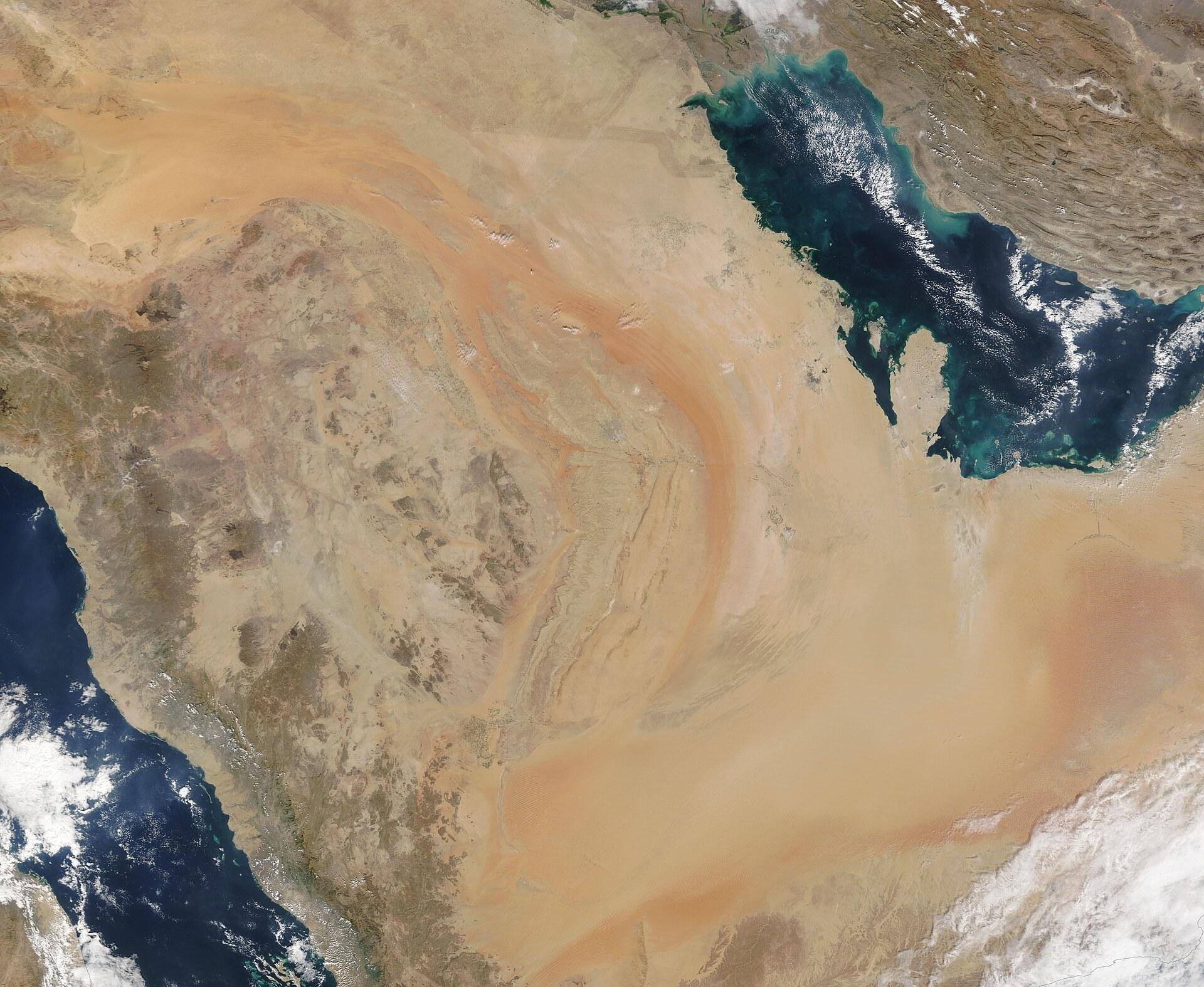
The Council has six members: the United Arab Emirates, the Kingdom of Bahrain, the Kingdom of Saudi Arabia, the Sultanate of Oman, the State of Qatar and the State of Kuwait. Its General Secretariat is headquartered in Riyadh.
Main goals
The Council's charter sets out several goals, including:
- Coordination, integration and interconnection between member states in all fields.
- Deepening ties between their peoples.
- Similar regulations in economic, financial, commercial, customs, educational and legislative affairs.
- Advancing scientific and technical progress in industry, mining, agriculture and water resources.
- Encouraging private-sector cooperation between member states.
How the Council works
The Council has three main bodies:
The Supreme Council
The highest authority, made up of the leaders of the member states. It holds one regular session a year, known as the Gulf summit. Substantive decisions require unanimity, while procedural matters need a majority.
The Ministerial Council
Made up of the member states' foreign ministers, it meets regularly to prepare studies, propose policies and follow up on decisions.
The General Secretariat
The executive body that follows up on decisions and prepares studies and reports, headed by a Secretary-General.
Main areas of cooperation
Over more than four decades, Gulf cooperation has advanced in several areas, including:
- Economy and trade: a free trade area, then a customs union, and work on a Gulf common market giving citizens equal treatment in a number of economic fields.
- Movement of citizens: easier travel between member states using national ID cards.
- Electricity interconnection: linking member states' power grids to strengthen supply security.
- Security and defence coordination: through joint agreements and committees.
Ongoing challenges
The Council has not been free of disputes among its members, most notably the Gulf crisis of 2017 to 2021, which ended with the AlUla Declaration. Projects such as a monetary union and single currency also remain unrealised.
Conclusion
The GCC remains the oldest Arab regional bloc still meeting regularly, and an important framework for understanding politics and economics in the Gulf. Following the decisions of its annual summits gives a clear picture of the region's priorities at each stage.