Sourced fact
The News
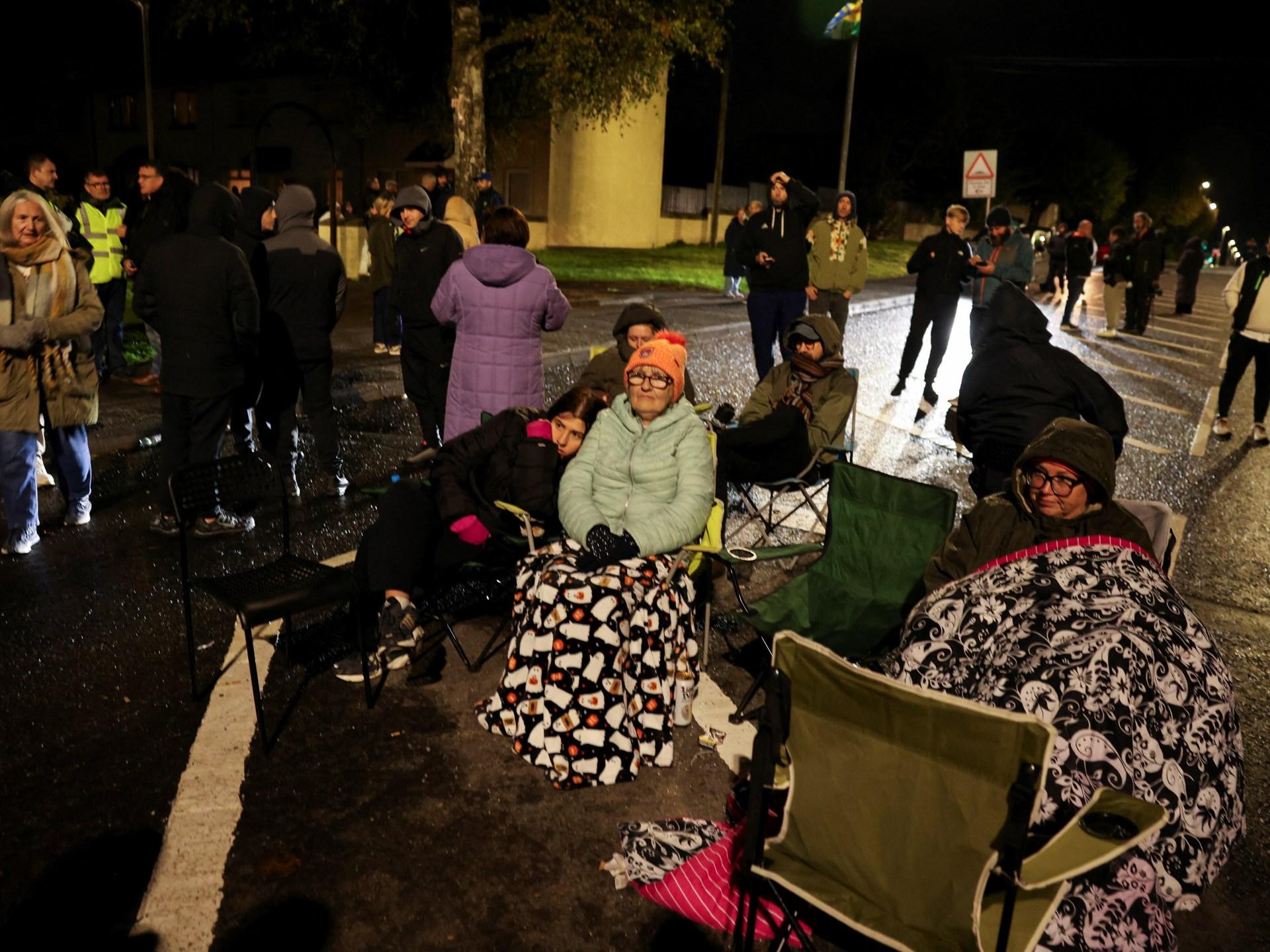
Thousands of protesters gathered on the roads to prevent a Protestant Orange Order parade from entering a Catholic area in Portadown, Northern Ireland, which was scheduled for Sunday. A High Court in Northern Ireland granted permission for the parade to pass through Garvaghey Street, a predominantly Catholic road, for the first time in 28 years, reigniting one of the most volatile disputes surrounding the marches in the region.
The court rejected a final request from residents to stop the procession after the Northern Ireland Appeal Court quashed an interim court order that had been issued on Saturday. Thousands gathered on the road to protest the decision, including Michelle O'Neill, First Minister of Northern Ireland and leader of Sinn Fein, and Mary Lou McDonald, leader of the same party.
Mary Lou McDonald told journalists after 8 am Greenwich Mean Time, "This is madness," describing the situation as "a primitive remedy for any society in 2026" and unacceptable. She added that the Catholic community is "dignified and united" and is determined not to return to the past. O'Neill and McDonald called on the British government and police to intervene to stop the parade, while the Irish government said it was "very concerned" about the situation and aims to avoid a return to past divisions.
Photos posted by United Democratic Party (UDP) MP Carla Lockhart on X showed a small group of Orange Order members wearing traditional orange sashes and black bowler hats in another part of the city. UK Prime Minister Andy Burnham called for calm, saying there has been "significant progress in Northern Ireland" and they do not want to see things go backwards.
John Butcher, Chief Constable of the Police Service of Northern Ireland, said there were no signs of violence or disorder and urged those with influence to encourage people to comply with the law. Emma Little-Pengelly, Deputy First Minister from the UDP, stated that threats of violence are unacceptable and that nobody in Northern Ireland wants them.
Analysis & context
Analysis & Context
Analytically, this event represents a sensitive turning point in the history of "The Troubles," the long period of political and military conflict that ended approximately with the Good Friday Agreement in 1998. The dispute over the Drumcree parade and Garvaghey Street dates back to the 1990s, when attempts by the Orange Order to march through this street sparked violent protests and major security operations between Catholics and Protestants.
In a broader context, the Orange Order remains a Protestant organization closely linked to Unionist tradition, which supports Northern Ireland remaining part of the United Kingdom. Independent committees such as the Parades Committee play a critical role in determining the route of these religious and political celebrations, making their decisions a constant source of debate between the conflicting communities in the region.
Tensions persist in Northern Ireland despite current relative calm; any change in parade conditions or reopening of debate over the right of passage through certain areas serves as a test of public confidence in its peace and political stability. Efforts by the British government, the Irish government, and the police remain focused on maintaining this peace and avoiding a slide back into past conflicts.