Sourced fact
The News
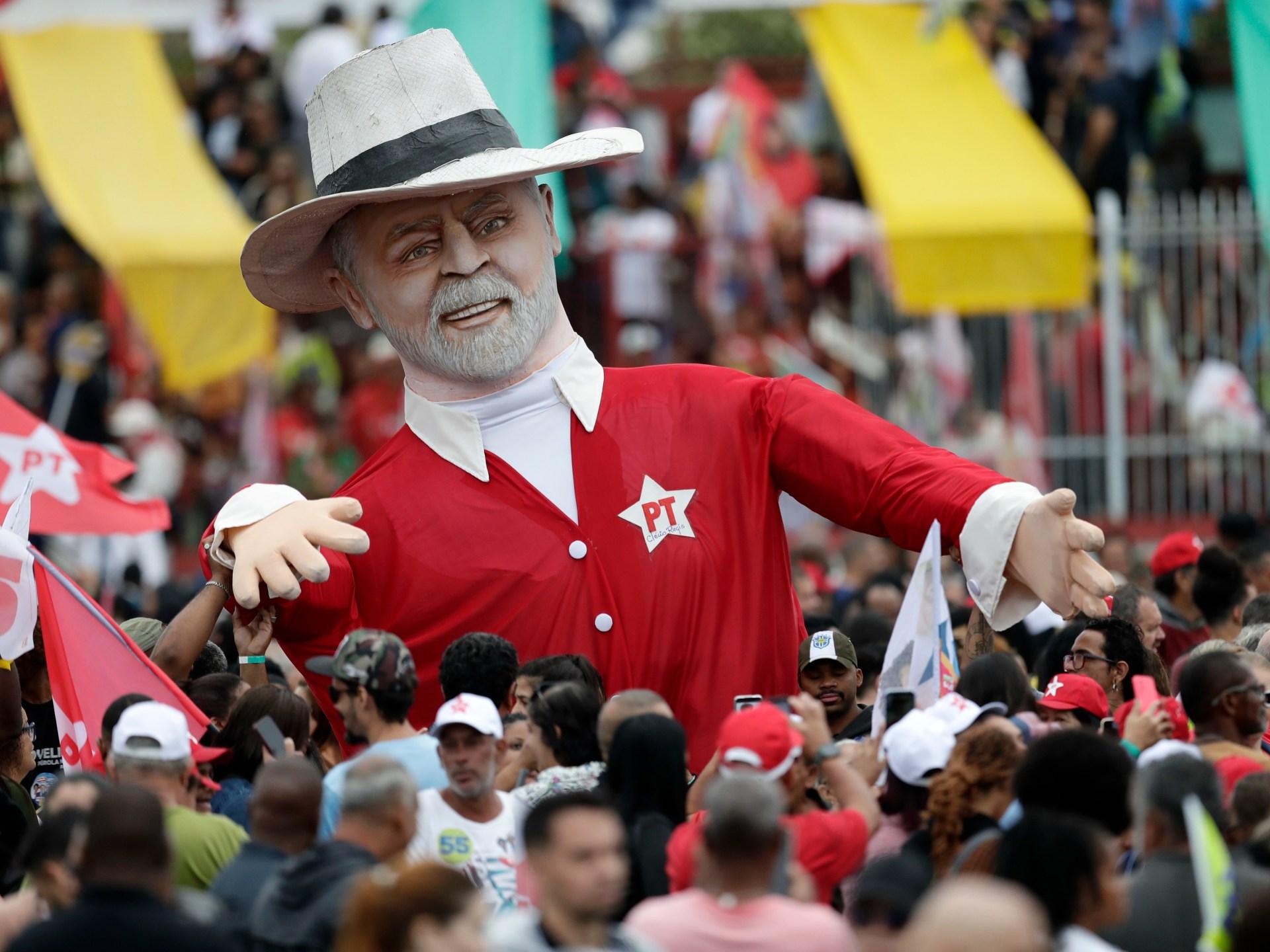
The latest political polls released on Monday in Brazil show that President Luiz Inácio Lula da Silva and Senator Flávio Bolsonaro are statistically tied in expected voting, meaning the presidential race, with less than two weeks until kickoff, has entered a critical phase. This tie is based on surveys conducted by Quaest and BTG Pactual/Nexus, which showed an extremely narrow margin between the candidates in an overvote scenario before the first round scheduled for October 4.
Lula is seeking election to the presidency of the country for his fourth non-consecutive term but faces a strong challenge from the political right represented by Flávio Bolsonaro, son of former president Jair Bolsonaro, who was an ally of US President Donald Trump. The father, Jair, was barred from running for office after Brazil's Superior Electoral Court ruled that he abused his power while in office and was later sentenced for a plot to reverse the results of his loss in the 2022 elections in favor of Lula.
In terms of specific numbers, the Quaest poll released on Monday showed support for Bolsonaro at 42% versus 41% for Lula in the overvote scenario, while Lula received 46% support compared to 45% for Bolsonaro according to the BTG Pactual/Nexus poll. These figures indicate a narrowing of the margin compared to the Quaest poll released on August 5, which showed wider advantage for Lula by five points, with him securing 44% versus 39% for Bolsonaro.
This political scene highlights growing tensions with the US administration, which imposed a new round of tariffs on Brazilian products in July, a move Lula described as an attempt to influence the election through economic pressure. The Brazilian president is currently preparing for his trip to New York, where he will address the United Nations General Assembly and met with New York City Mayor Zohran Mamdani on Monday to discuss shared problems between the two countries, particularly rising cost of living.
Analysis & context
Analysis & Context
From an analytical perspective, the tie between Lula and Bolsonaro in the polls represents a fundamental turning point in Brazilian political dynamics, as the race shifts from clear dominance by the left-wing candidate to a highly competitive stage dependent on every counted vote. This delicate balance means that the election result will not be decided in the first round held on October 4, ensuring a decisive second round on October 25 between these two candidates only if neither secures more than 50% of valid votes.
In a broader context, Flávio Bolsonaro's rise as a leading candidate reflects the continued influence of Brazilian right-wing politics, which combines popular support bases loyal to former president Jair Bolsonaro with campaign strategies focused on national sovereignty and countering external pressures. Additionally, Lula's visit to New York and his interactions with US officials underscore growing diplomatic tensions between Brazil and the United States, where economic issues such as tariffs are transforming into influential political tools affecting the trajectory of Brazil's election campaign.
Brazilian electoral history indicates that narrow gaps between candidates often lead to unexpected results dependent on complex local and international factors, making this one of the most thrilling campaigns in Latin America over the current decade.