Sourced fact
The News
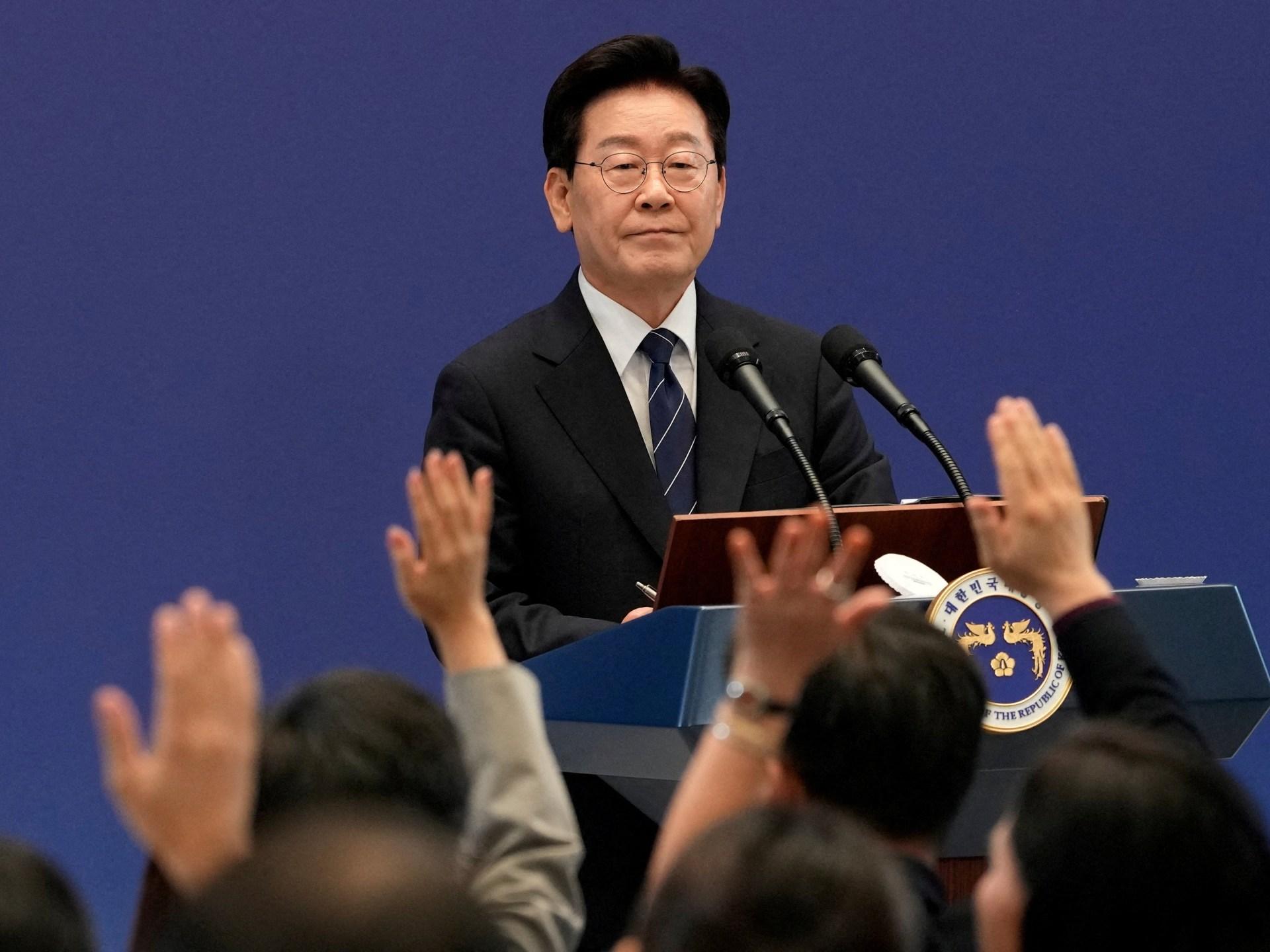
On Friday, South Korean President Lee Jae-myung confirmed that U.S. President Donald Trump is clearly seeking dialogue with Pyongyang, while simultaneously affirming that South Korea will not deploy its forces to intervene militarily in the Iran war. Lee noted that resuming dialogue between the United States and North Korea would be easier than restarting talks between the Koreas, though success for these talks is not currently guaranteed. Trump plans to meet North Korean leader Kim Jong Un later this year to bolster relations that he claims have improved during his first term.
In another development, Lee informed that South Korea will not send troops to the Strait of Hormuz despite increasing U.S. pressure, clarifying that the country will conduct only minimal activities necessary to protect its merchant ships and oil routes. The South Korean president reiterated three times that no forces would be sent that could lead to engagement in a conflict or war, noting that this stance has faced widespread opposition from segments of Korean society who recently organized protests.
Relations between the Koreas have deteriorated following the collapse of talks between Kim and Trump in February 2019, after reaching a peak in 2018 before declining again. Additionally, a court in Seoul ruled on Thursday, at North Korea's request, to award approximately $32.5 million for the destruction of the joint liaison office building in 2020.
On another front, South Korea is working to strengthen ties with other regional partners; the first presidential summit between Seoul and the five Central Asian countries was held on Wednesday to enhance economic interaction with these Russia-aligned nations.
Analysis & context
Analysis & Context
From an analytical perspective, this statement represents a strategic shift in Seoul's policy toward the nuclear and political files of the region, moving from an exclusive focus on inter-Korean dialogue to adopting a potential intermediary role in U.S.-North Korean relations. This position reflects South Korea's attempt to diversify its alliances while maintaining its independence in making major military decisions that affect its national security and vital economic interests.
In the broader context, the tensions in inter-Korean relations indicate a critical turning point after the collapse of Trump-Kim talks in February 2019, which led to a rapid deterioration of diplomatic and military relations on the peninsula. Furthermore, the issue of the joint liaison office destroyed by North Korea in 2020, costing Seoul significant material losses of $32.5 million, remains a painful reminder that intensifies hostility between the two countries and makes any step toward dialogue require mutual trust that is currently absent.
As for the decision not to send troops to the Strait of Hormuz, it summarizes the South Korean president's stance against entanglement in external conflicts that could threaten the stability of his state, especially with widespread popular protests in recent weeks against any Korean military participation in the Iran war. This decision also appears to be a reaction to increased Russian support for North Korea, making it necessary for Seoul to seek new partners in Central Asia to enhance its economic and political security beyond exclusive reliance on the West or Russia.