The News
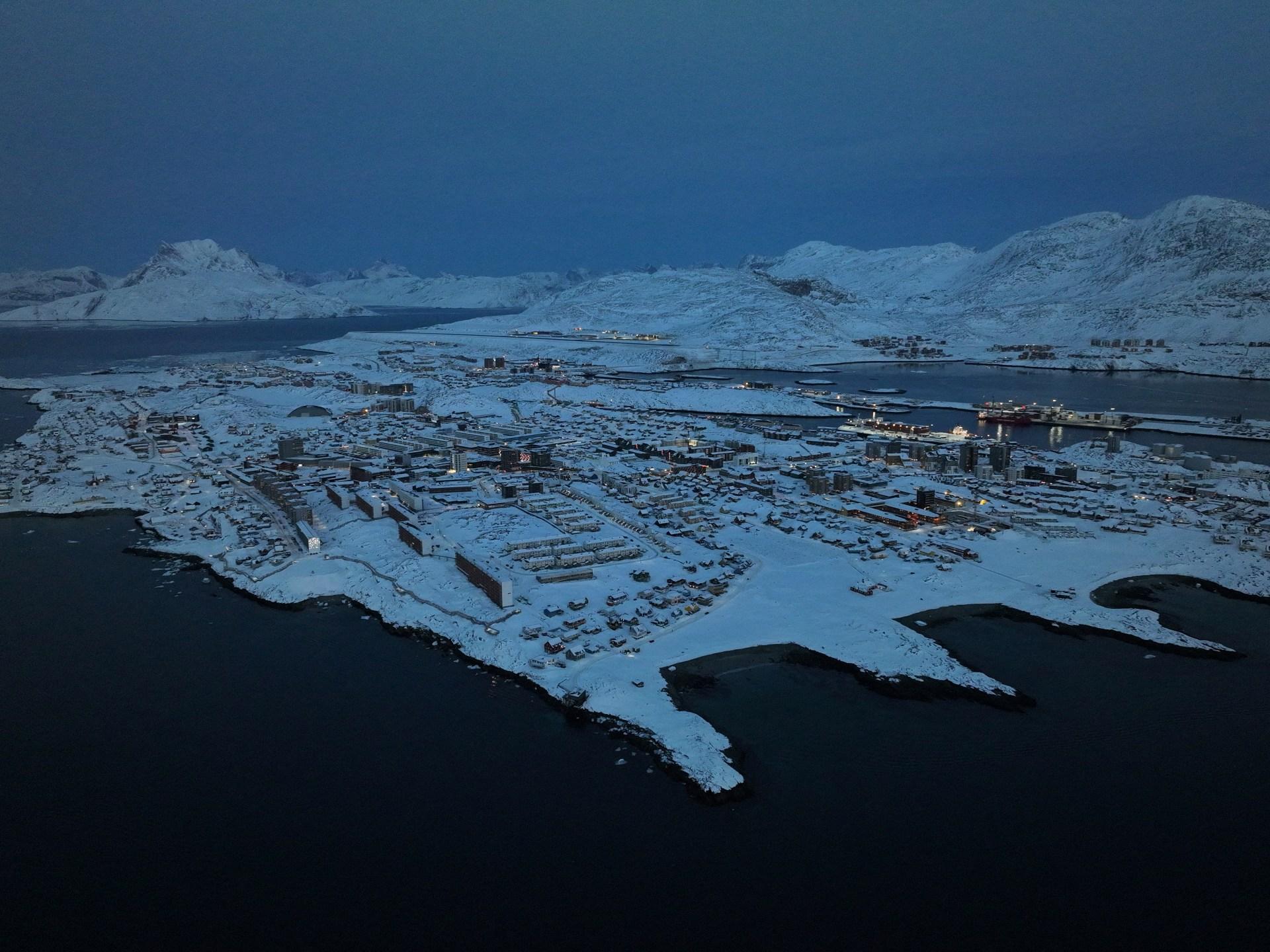
The new agreement reached between the United States, Denmark, and Greenland regarding security in the autonomous Danish territory appears to be good news, as it may finally put an end to nearly two years of repeated threats issued by Washington to the people of Greenland. This agreement ensures that declared red lines concerning territorial integrity and sovereignty are not crossed, representing a positive shift in the trajectory of bilateral relations.
According to Al Jazeera Net, we do not yet know the exact contents of the agreement, but the emerging picture is close to the best scenario for both Denmark and Greenland together. The approach has shifted from direct confrontations to the arena of international diplomacy, where issues of international law, investment, and security policy can be addressed calmly and systematically, away from direct military pressures.
At the same time, US President Donald Trump can present himself as a victor to his supporters, which was necessary to ease political tensions. His political alliances and neutral media outlets have begun praising his unique negotiation mechanism, confirming that sustained pressure succeeded in placing the United States in a better position to expand its military presence in Greenland, an area considered vital for US national security according to his vision.
Analysis & Context
From an analytical perspective, there is a crucial observation that must be studied carefully: much of what was achieved through this new agreement could have been accomplished under the 1951 Defense Agreement, which was updated in 2004. This original treaty granted the United States broad military rights heavily utilized during the Cold War, maintaining 17 military installations and over 10,000 military personnel in Greenland before only the Peirce Space Base with about 150 US soldiers remains today.
In a broader context, there are two potential changes in the new agreement if we take Trump's statements literally. First, his description of the deal as an "endless life contract," which differs from the original text linked to the continued existence of NATO. This change may be seen as a result of Trump's limited commitment to the alliance and his insistence on the "America First" policy, placing the alliance in an uncertain future.
Second, Trump insisted on preventing any American adversary from owning a military base, having a military presence, or sensitive investments in Greenland without explicit written consent, which gives the United States official veto power. However, examples from recent years indicate that this was effectively in force even before the new agreement, as the Danish government repeatedly intervened to block Chinese corporate interests in sensitive infrastructure projects.
It appears that Danish intervention may no longer be officially necessary under this new agreement, meaning the United States has increased its control on paper only, while Denmark and Greenland have actually maintained their sovereignty through negotiation skills within the high-level working team. This was a visual success that allowed Trump to achieve the required political victory while preserving Denmark's national interests.
Finally, there is a sentence in Trump's statement that warrants caution: the agreement will cost the United States nothing, which is surprising and unlikely to reassure Danish taxpayers if proven true. We must also remember that Mexico did not pay to build the wall on the border with the United States, and Trump's promise of $5,000 remains uncertain so far, while Greenland may benefit economically from the expanded US military presence.