Sourced fact
The News
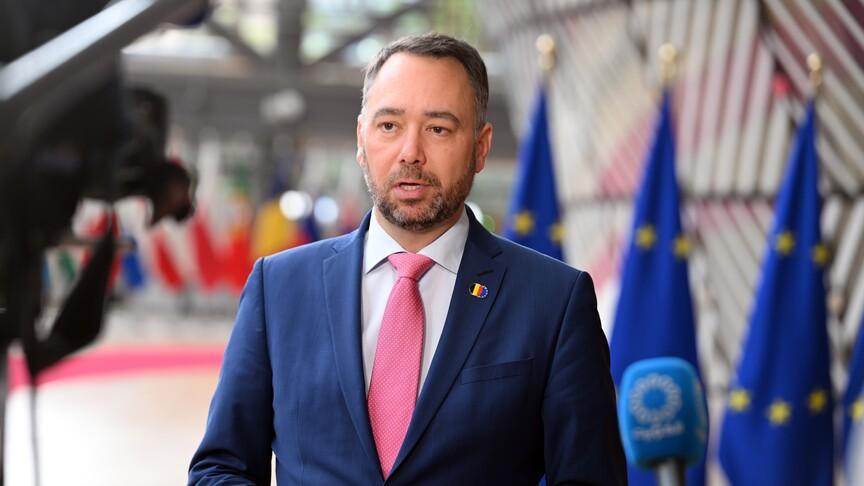
The Belgian Ministry of Foreign Affairs announced today, Tuesday, September 23, 2026, the resumption of diplomatic relations with Rwanda following an 18-month hiatus. This announcement was made in New York City, which hosts the United Nations, where Belgian Foreign Minister Maxim Breyet confirmed that the decision follows a "process of frank discussions" between the two nations.
Speaking on the American social media platform X, Breyet stated that restoring diplomatic relations does not mean abandoning Belgium's firm positions but rather represents a step toward establishing organized dialogue channels that transcend differences in a world witnessing increasing tensions. He added that this development is the result of mutual and respectful efforts by both parties to build a positive agenda benefiting citizens of both countries and strengthening the strong personal ties that already exist between them.
Breyet also emphasized that Belgium will continue to defend the territorial integrity and sovereignty of the Democratic Republic of the Congo (DRC), particularly in its eastern region, which is marked by ongoing conflict. He clarified that both parties have agreed on the importance of systematic dialogue even regarding remaining points of disagreement, including the conflict in eastern DRC, while stressing the need for strict adherence to the commitments of all parties involved in the operations in Doha and Washington.
In a practical move following the official announcement, Belgium and Rwanda issued a joint statement in which Rwandan Foreign Minister Olivier Ndundubutse confirmed the resumption of diplomatic relations, agreeing to reopen both embassies in the near future. This decision follows intensive diplomatic efforts aimed at transforming tensions into opportunities for regional and international cooperation within the framework of the United Nations.
Analysis & context
Analysis & Context
From an analytical perspective, Belgium's decision to resume relations with Rwanda signals a strong indication of renewed spirit in multilateral dialogue across Greater Africa. The choice of New York City as the venue for this announcement reflects the critical role played by the United Nations in resolving international conflicts and facilitating reconciliation between warring or diplomatically isolated states.
In the broader context, the conflict in eastern DRC remains one of the most complex files on the African continent for decades. Tensions between Rwanda and the DRC have persisted for years, leading to the suspension of diplomatic relations 18 months ago. Nevertheless, it appears that both parties now recognize the necessity of reopening communication channels to resolve this crisis permanently and prevent escalation of the conflict, which could threaten regional stability.
This news also points to a shift in European countries' strategies toward Africa, moving toward adopting a more flexible approach that allows dialogue with all parties even in the presence of fundamental disagreements. Reopening embassies is not merely a formal procedure but a practical step aimed at enhancing economic and security cooperation between Belgium and Rwanda, which could open new horizons for development cooperation and joint investment.
Finally, Belgium's continued advocacy for mediation operations in Doha and Washington underscores its commitment to international principles and peaceful conflict resolution. This balanced stance reflects diplomatic maturity that allows the country to engage in complex files without abandoning its core principles or national interests, representing a model that can be emulated in other contexts of international conflicts.