Sourced fact
The News
Morocco welcomed the failure of a US-backed draft resolution at the UN Security Council aimed at renewing the mandate of the UN mission for the referendum in Western Sahara, viewing this development as bolstering its position on the file. The official mandate of the mission expired on Saturday after Russia used its veto power to block the US project, despite support from 11 other member states including France and the United Kingdom. The resolution adopted by the United States sought to extend the mission's tenure for one year, remove the word "referendum" from the mission's name, and make Morocco's autonomy plan the sole basis for future negotiations.
Although the Security Council adopted a last October decision presenting a genuine self-governance plan for Western Sahara under Moroccan sovereignty to manage its internal affairs, Russia's project to renew the mandate without changes also failed, garnering support from only two countries while 11 abstained from voting. The mission, comprising 155 soldiers, costs approximately $62 million annually since the start of the fiscal year in June; with its mandate officially ending on Saturday, the future of the mission remains uncertain.
The Moroccan royal palace expressed joy over the failed renewal, announcing that UN personnel and their equipment must leave the area within coming days and that the Western Sahara issue should be removed from the Security Council's agenda while reaffirming commitment to the ceasefire. In contrast, Algeria expressed regret over the failed renewal and accused the US project of excessive bias in favor of Morocco, while Saidi Oumar, representative of the Sahrawi Arab Democratic Front at the UN, welcomed Russia's veto, stating that the US proposal would undermine the right to self-determination of the Sahrawi people.
The roots of the conflict date back to 1975 when Spain withdrew from the territory, comparable in size to Britain, where Morocco has since considered Western Sahara an integral part of its land while the Polisario Front seeks to establish an independent state called the Sahrawi Arab Democratic Republic. Decades of fighting led to the displacement of up to 170,000 people to refugee camps in Tindouf, Algeria, which supports the Front, while Morocco continued to control its phosphate resources and valuable fishing grounds.
Following the vote, US Ambassador to the UN Mike Waltz stated that using the veto in 2026 to keep the word "referendum" was deeply regrettable and that the current situation is unacceptable, as the US proposal would have moved forward a conflict lasting fifty years. Russian Ambassador Vassily Nebenzia also noted that the Security Council cannot automatically determine matters of sovereignty, calling for respect for international organization principles and non-bias toward one side in the prolonged dispute.
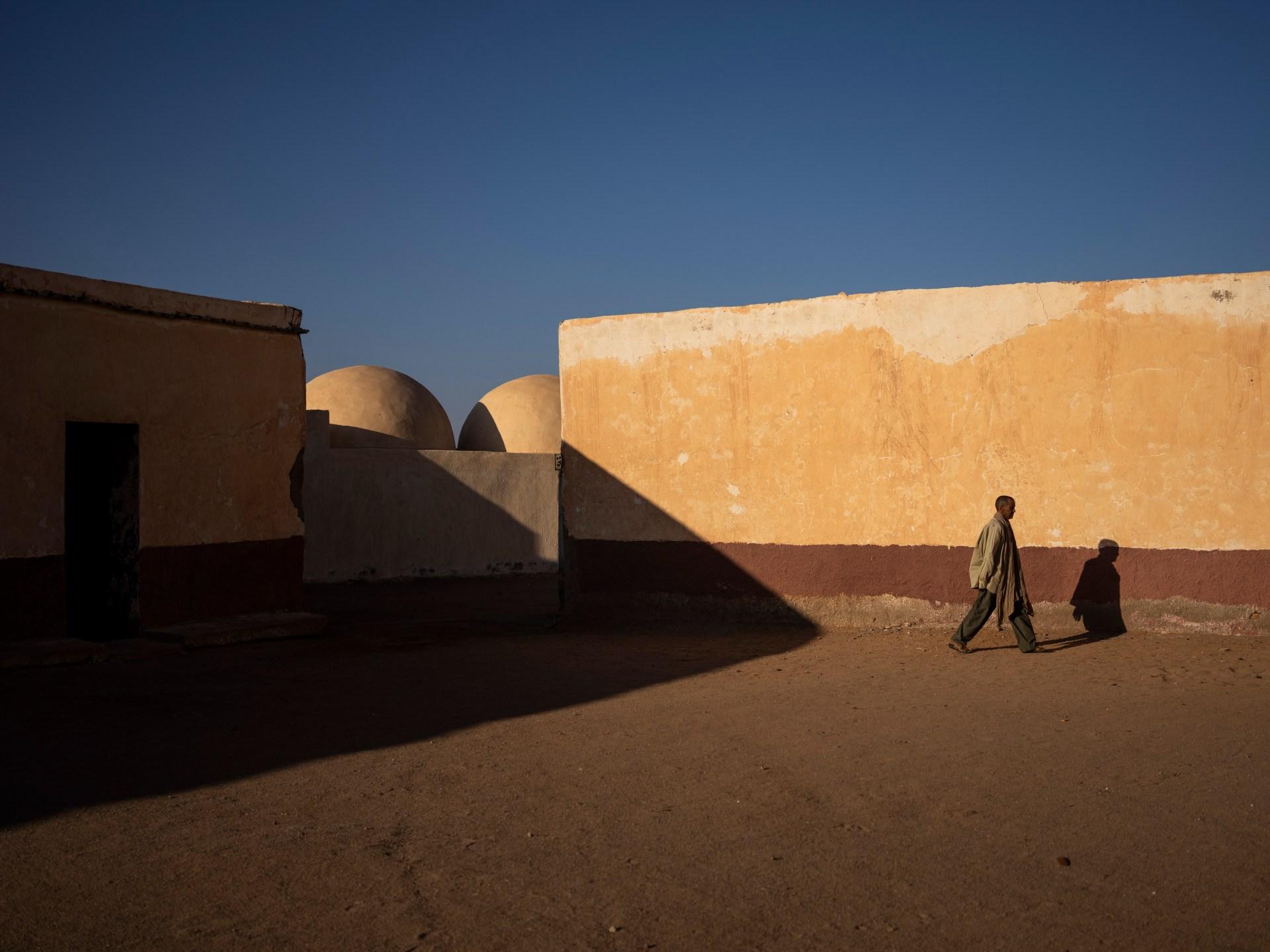
Celebratory atmosphere prevails in the streets of the capital El Aaiún, where dozens wore traditional attire, raised Moroccan flags, and displayed images of King Mohammed VI. Historian Selim Blouti Khalfi sees diplomatic developments at the UN as supporting Morocco's strategy and reducing focus on the right to self-determination in favor of autonomy solutions under Moroccan sovereignty.
Analysis & context
Analysis & Context
From an analytical perspective, this event represents a strategic turning point in the Western Sahara file, where international discourse is gradually shifting from self-determination and independence to acceptance of solutions based on Moroccan sovereignty. Historical expert Selim Blouti Khalfi indicates that support from major powers like the US and France for the autonomy proposal strengthens Morocco's international position and alters the balance of debate in favor of Rabat.
In a broader context, the conflict dates back to 1975 when Spain withdrew from the territory, comparable in size to Britain, declaring Moroccan sovereignty over it while the Algerian-backed Polisario Front demanded independence for the "Arab Sahrawi Republic." Decades of fighting led to the displacement of nearly 170,000 people to refugee camps in Tindouf, Algeria, where the Front still rejects annexation and demands a referendum.
This region remains Africa's last non-self-governing territory according to UN classification, hosting approximately 100,000 to 140,000 Moroccan military personnel who control phosphate resources and valuable fishery assets. Despite the 1991 ceasefire, which was never implemented for the referendum, low-level confrontations have persisted since the Front resumed armed struggle in 2020, making the future of international missions pivotal to regional stability.