Sourced fact
The News
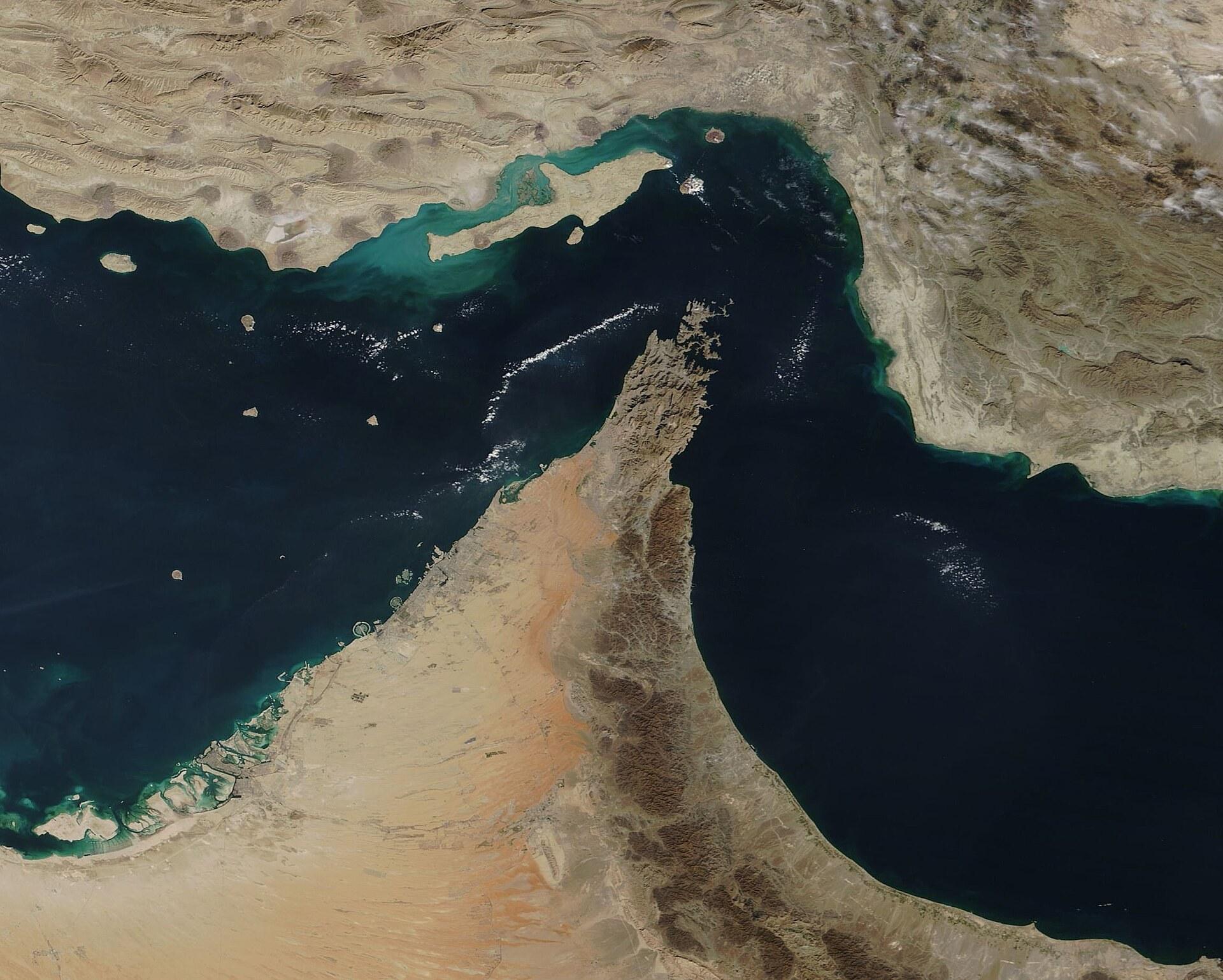
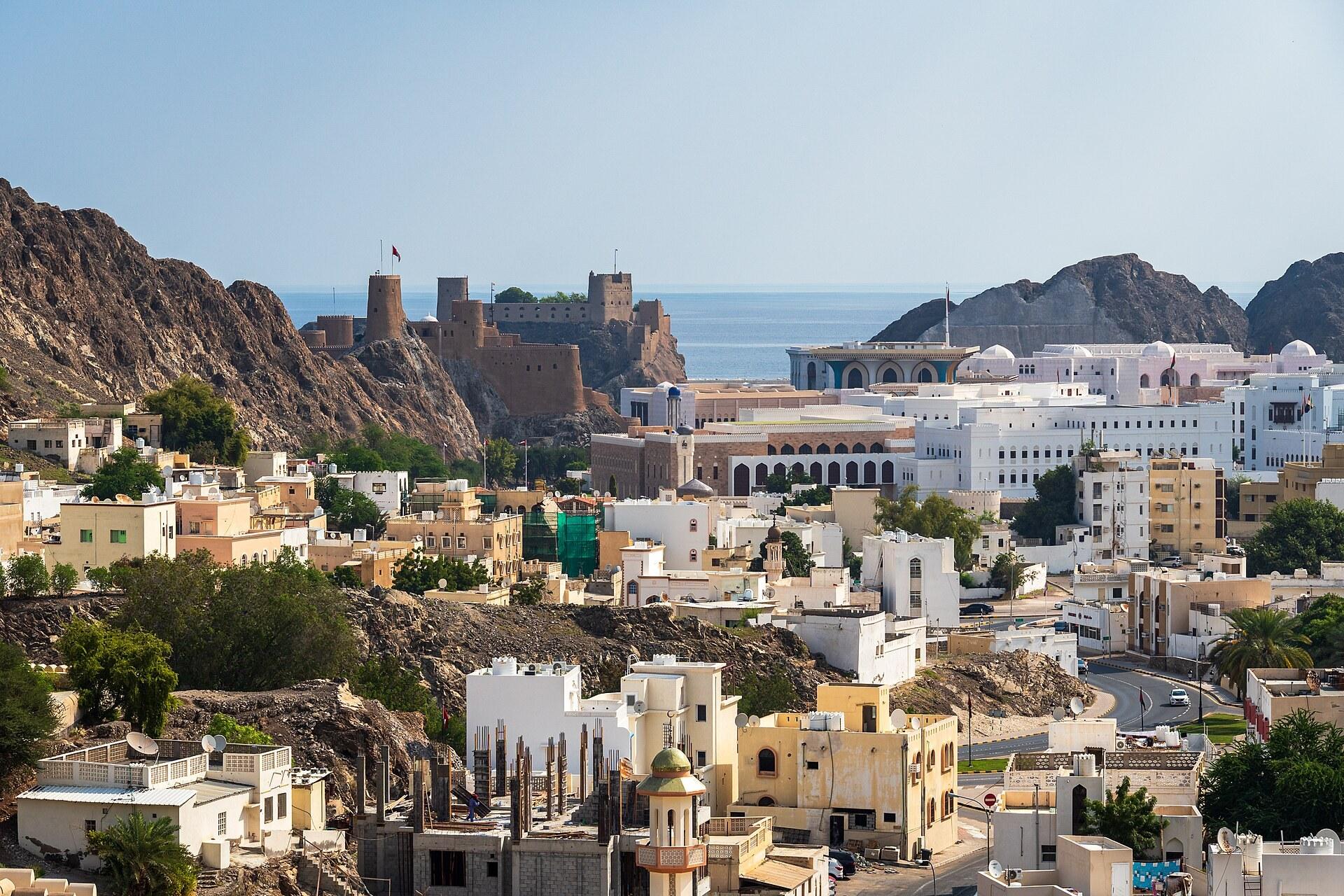
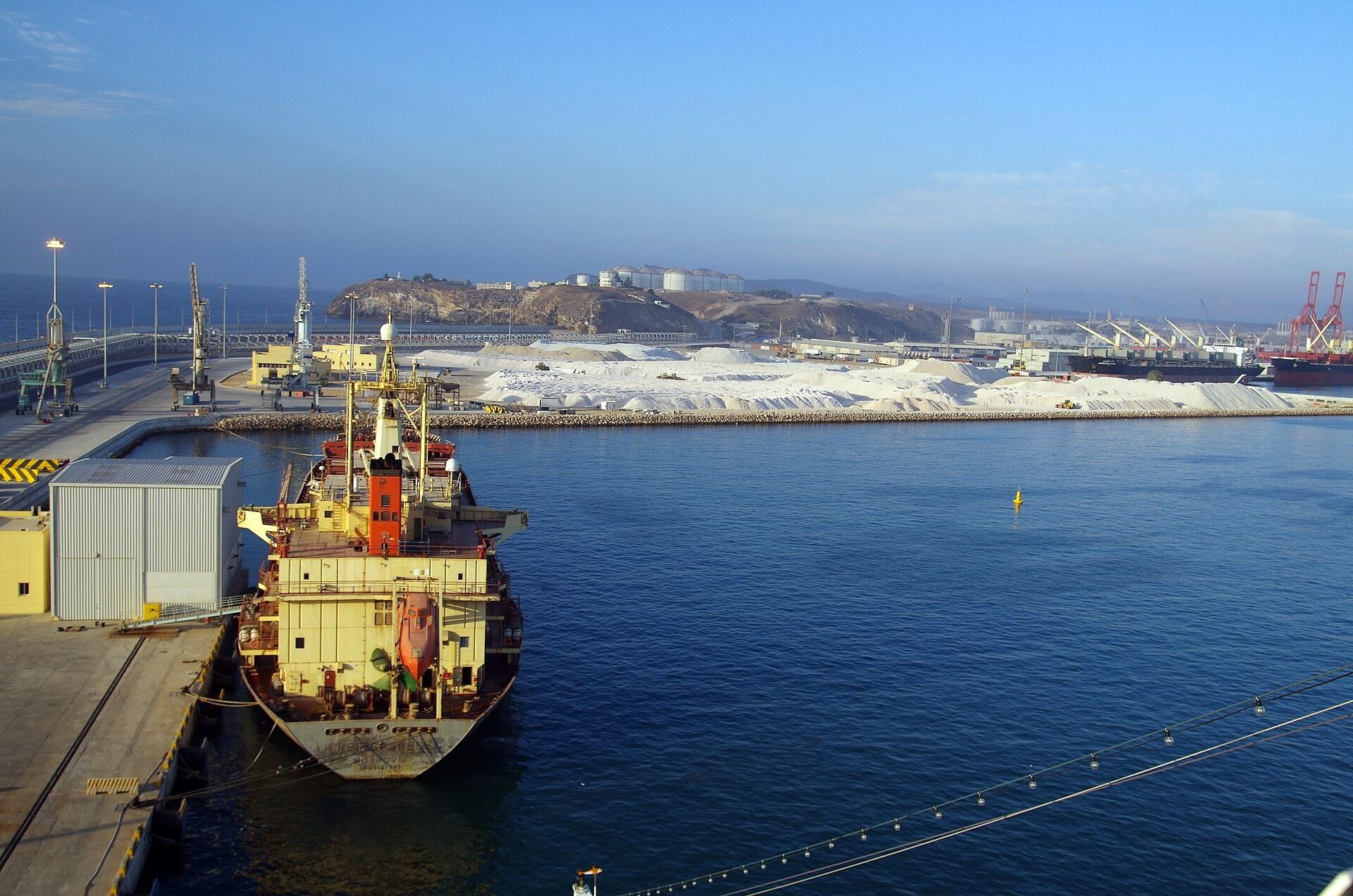
Oman began exporting oil in the late 1960s, a major turning point in its economic history. Oil revenues provided the resources to build modern infrastructure: roads, schools, hospitals, and power and water networks, especially after the renaissance began in 1970. Over time it became clear that heavy reliance on oil left the economy exposed to swings in global prices. When prices fall, the public budget, government spending and jobs suffer. Economic diversification therefore became a constant goal of development plans, reinforced by Oman Vision 2040. Geography as an economic advantage Oman has a long coastline on the Arabian Sea and the Gulf of Oman, close to international shipping routes between Asia, Europe and Africa, and outside the Strait of Hormuz. This advantage has made ports and logistics among the most important bets of diversification.
Analysis & context
Analysis & Context
From an analytical perspective, the Omani economy faces significant challenges in transitioning from an oil-dependent model to a diversified set of sectors. This transition requires substantial investment in infrastructure and vocational training to create employment opportunities for Omani youth. In the broader context, Oman is part of wider regional efforts to diversify the economy and enhance economic stability.