Sourced fact
The News
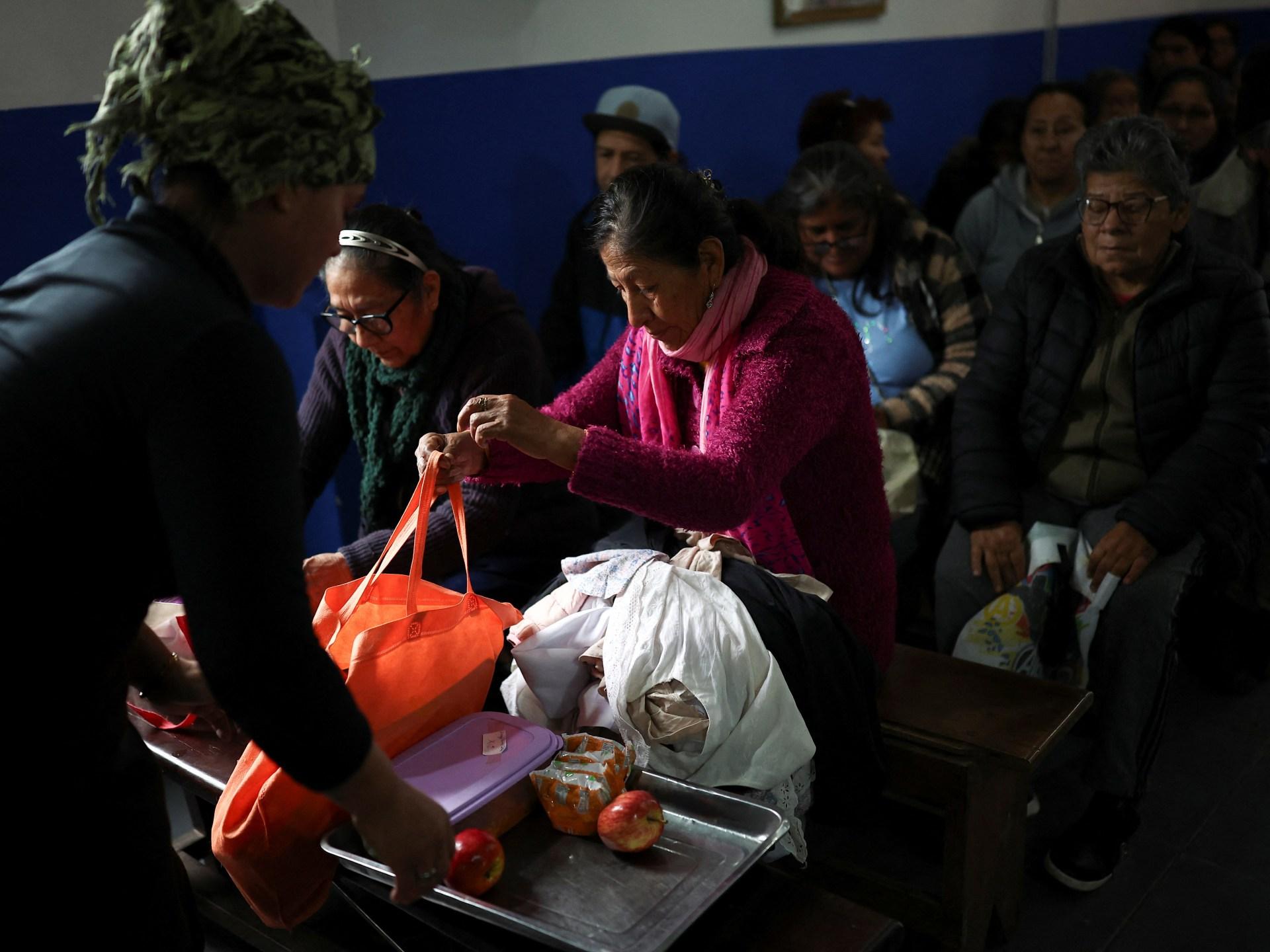
The poverty rate in Argentina has risen to 32.3 percent in the first half of 2026 under President Javier Milei, resulting in a partial reversal of the economic achievements previously made by the country. Data released on Thursday by the National Statistics Agency INDEC showed an increase of 4.1 percentage points between January and June compared to the same period last year, moving from 28.2 percent.
The extreme poverty rate also rose, climbing from 6.3 to 7.5 percent, while the unemployment rate jumped to 7.9 percent in the second quarter, reaching its highest level since 2021. While household income per person increased by 11.5 percent, the cost of the living basket that defines the poverty line rose by approximately 20 percent according to official data.
Economic pain is expected to worsen in the future; estimates from the Catholic University of Argentina suggest poverty could reach 35 percent by year-end. This increase comes after President Milei consistently promoted a decline in poverty as evidence of the success of his market-based economic reforms launched since his election in 2023.
Nicolas Watson, Executive Director for Latin America at consulting firm Tenio, stated: "A slight rise in poverty will not reflect the significant decline the country experienced under Milei, but rather indicates that the easier phase of improvement has ended." Recent opinion polls also showed a sharp drop in approval among low-income voters for the president, with disapproval reaching nearly 70 percent according to an Atlas Intel poll in September.
Analysis & context
Analysis & Context
From an analytical perspective, this news arrives after President Milei, who was elected in 2023, consistently promoted a decline in poverty as proof of the success of his market-based economic reforms. However, this new rise indicates that social gains achieved by slowing inflation are beginning to lose momentum, and future progress will increasingly depend on creating new jobs and real wage growth.
In the broader context, this shift poses a major challenge for President Milei, who is seeking re-election in 2027, as increasing economic difficulties appear to erode his support among poor-class voters. Recent opinion polls have shown a sharp decline in approval among low-income respondents, raising questions about his ability to retain the electoral base that was central to his previous victory.
Analysts add that this "moderate" rise in poverty does not negate the significant decline the country experienced under Milei, but rather signals the end of the easier phase of economic improvement. Furthermore, average wages remain below their real level when Milei took office in December 2023, highlighting the gap between nominal wage growth and rising living costs that undermines citizens' purchasing power.