Sourced fact
The News
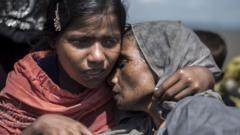
The Al-Muslih family in Hadhramaut is facing a state of shock after being forced to flee their home in the city of Moka, which was seized by the Houthi group at the end of August. They did not have time to prepare any belongings or document their personal identities. Family members sought refuge with relatives in Aden, the largest southern city under internationally recognized government authority, while continuing to hope for a return home soon, despite no actual indicators suggesting this is currently possible.
A spokesperson for the Yemeni government clarified that recent field changes will not alter the national leadership's goal of restoring authority across the entire state; however, the military progress of Iran-backed Houthis makes the return of families like Al-Muslih to Moka unlikely in the near future. Since late July, the group has expanded its control areas to include most of the Red Sea coast, prompting both sides to exchange artillery and drone attacks in a continuous escalation of the conflict.
In Taiz city, under government jurisdiction, residents live in extreme anxiety between choosing to stay and risk it or flee out of fear of another siege, especially with the worsening humanitarian situation, rising prices, and gas shortages. Rania, one of the city's residents, vividly recalls the 2015 and 2016 sieges that led to food supply cuts, while Fatima states that the sounds of shelling sound like fireworks but instill terror among children.
The World Health Organization reported over 674 deaths and thousands of injuries since fighting intensified in August, while the International Organization for Migration indicates that more than 132,000 people have recently displaced to Aden, Lahij, Taiz, Marib provinces, and even outside Yemen toward Djibouti and Somalia. A representative of the UN High Commissioner for Refugees stated that displaced numbers will increase if fighting continues, noting that conditions in overcrowded shelter sites are extremely harsh and lack basic resources.
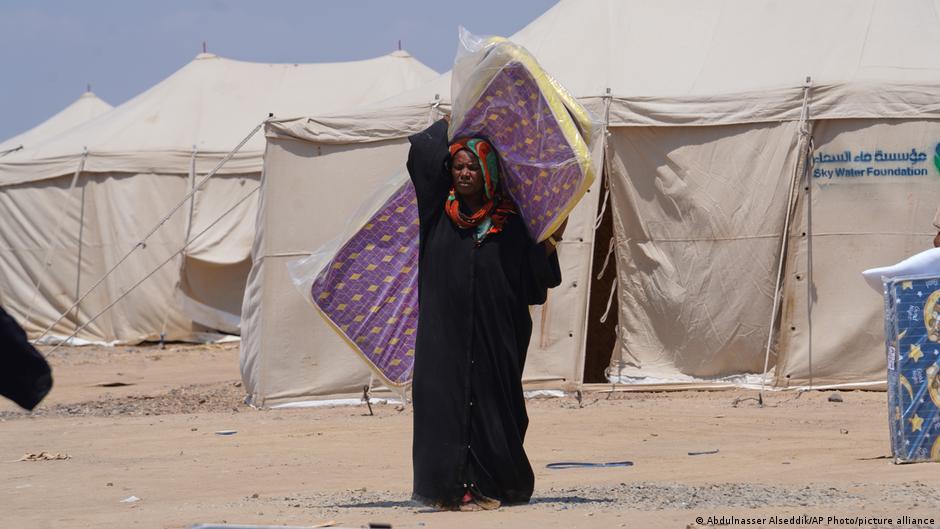
Amidst the suffering of internally displaced persons, some residents like Mustafa from Mozah have helped house other families from their own city within temporary camps lacking even adequate sanitation facilities. Meanwhile, Houthi leader Abdul Malik al-Houthi issued a video message stating that southern and western area residents are not targets; however, a Yemeni political analyst described these statements as empty talk amidst continuing civilian human and material losses suffered as collateral damage in the group's pursuit of power.
Analysis & context
Analysis & Context
From an analytical perspective, the Houthi advance toward Jabal Qahbara represents a fundamental shift in the equation of the Yemeni conflict, threatening control over strategic maritime passages previously used as alternatives for Saudi oil exports after the closure of the Strait of Hormuz. This geographical expansion reflects the Houthis' ability to exploit security gaps and expand their military influence despite international and regional pressures.
In the broader context, the deteriorating humanitarian situation in Yemen shows that the conflict is no longer merely a military confrontation between two parties but has become a comprehensive humanitarian disaster affecting millions of civilians suffering from food insecurity and the collapse of health and educational infrastructure. Reports indicate that more than 22 million people require urgent humanitarian assistance, making the Yemeni crisis one of the worst humanitarian crises in the contemporary world.
Furthermore, it highlights the role of civil society and affected families attempting to help each other in the absence of sufficient international support. Displaced persons live under harsh conditions lacking even basic facilities such as shared toilets and food distribution every two days. This reality reflects the large gap between the military plans of both parties and the urgent humanitarian needs of civilian populations bearing the cost of these conflicts.
Finally, geopolitical analysis of the conflict suggests that Houthi expansion could alter the dynamics of the entire region, especially with increasing regional and international interventions seeking to protect their interests amidst chronic instability in Yemen.