Sourced fact
The News
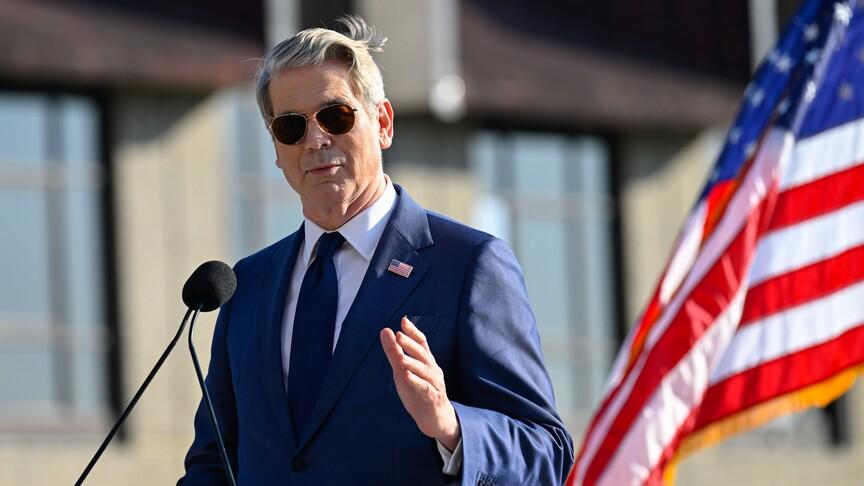
On Wednesday, U.S. Treasury Secretary Scott Bessent announced the continuation of Washington's economic campaign against Iran, noting that new measures make it difficult for the Iranian delegation at the UN General Assembly in New York to return home. Bessent stated that the U.S. administration is pressuring Iranians "in a way they have never seen before" as part of what he described as an "economic expulsion operation" aimed at isolating Tehran economically.
He explained that this campaign severely impacts Iran's international aviation links, announcing that more than 80% to 90% of outbound flights from Iran have actually been closed. Bessent also warned financial institutions and companies supporting Iran that Washington would target their operations and bank accounts if they continued cooperating with Tehran.
The Treasury Secretary described the U.S. strategy as a combination of military action, naval blockades, and unprecedented financial pressure to cut off Iran's "financial oxygen." He noted that Washington is seeking one of three outcomes: divisions within Iranian leadership, popular uprisals, or reaching an agreement in which Tehran commits to its international obligations.
Bessent also mentioned that the U.S. attempted to reach an agreement with Iran early this year but accused Tehran of accelerating attacks in the Strait of Hormuz afterward. He emphasized that if an agreement is reached, Washington will honor it, while the campaign launched last August continues to expand sanctions to include Iranian aviation networks, banks, and digital currency-related infrastructure.
Analysis & context
Analysis & Context
From an analytical perspective, Treasury Secretary Bessent's announcement represents a new escalation in the comprehensive economic war the United States has waged against Iran over the years. This strategy aims to break Tehran's ability to fund its nuclear programs and support armed groups by financially isolating it and drying up revenue sources from international trade.
In the broader context, sanctions emerge as a key geopolitical tool used by Washington to strip targeted regimes of their operational capabilities without resorting to direct traditional military force. The impact of closing international aviation on diplomatic delegations is a novel and unprecedented development in international relations, placing neutral countries before an ethical and diplomatic dilemma regarding how to handle delegations from economically besieged nations.
The analysis indicates that increasing reliance on financial and digital sanctions is changing the nature of international conflicts from traditional wars to economic and hybrid wars targeting vital infrastructure of targeted states. These measures could erode trust in current global financial systems if they continue to affect diplomatic delegation movements and humanitarian activities.
Finally, the continued financial pressure and naval blockade highlight a strategic shift by the United States toward using all available tools under the umbrella of "economic warfare" to achieve its political and security goals without entering into direct military conflicts that could be costly or unstable.