Sourced fact
The News
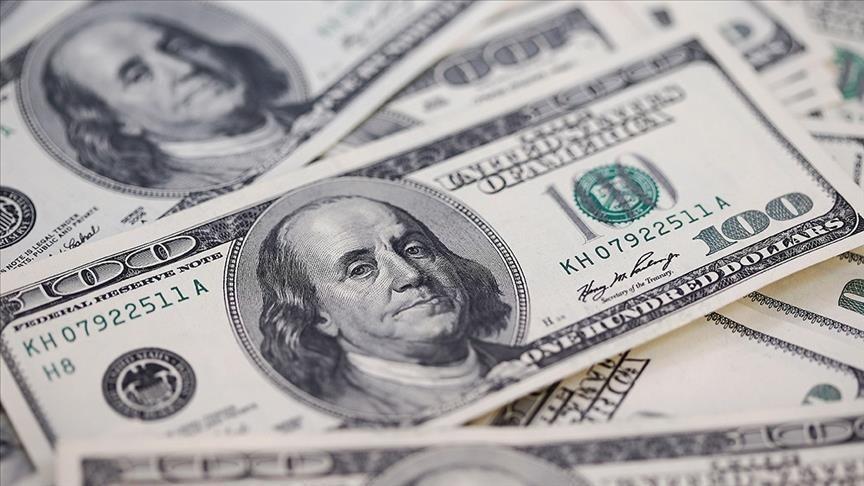
The US Dollar Index reached 101.24, marking its highest level in nearly two months, as expectations grow that the US Federal Reserve will maintain its restrictive monetary policy stance. According to Anadolu Agency, robust economic data from the US, persistent inflationary pressures, and market forecasts of an interest rate hike have collectively fueled demand for the dollar.
The agency noted that investors are increasingly moving toward holding cash amid ongoing geopolitical risks in the Middle East, a factor that has also contributed to the dollar's surge. On the economic front, the US Manufacturing Purchasing Managers' Index (PMI) rose to 57—the highest level in 52 months—while the Services PMI climbed to 58.7, its peak in 59 months, reflecting renewed vitality in the American economy.
Jane Foley, foreign exchange expert at Rabobank, told Anadolu that such strong data indicates an economic vigor that may concern policymakers within the Fed. She added that the impact of this data was amplified by yesterday's rise in oil prices and comments from Federal Reserve Board member Michael Barr on the need for further rate hikes, accelerating market expectations for a fresh tightening cycle next month and supporting the dollar's value.
On his part, Kayel Chapman, forex analyst at Balyasny Asset Management in London, attributed the dollar's rise to the Fed’s shift toward a more hawkish stance and waning risk appetite, reinforced by sustained strength in oil prices. Meanwhile, Francesco Bisoli from NG Group observed that while strong data and higher oil prices have driven the dollar up, its recent momentum appears somewhat extended relative to underlying economic fundamentals.
Analysis & context
Analysis & Context
From an analytical perspective, the current situation highlights a tension between the strength of the US domestic economy and external risks impacting currency valuation. While robust data in manufacturing and services underscores ongoing economic resilience, geopolitical tensions in the Middle East are pushing investors toward safe-haven assets like the dollar, creating a complex dynamic in exchange rates.
In a broader context, expectations for US rate hikes remain heavily dependent on inflation reports and monthly economic indicators. However, some experts warn that the dollar's recent appreciation may be "extended" relative to fundamentals, opening the door for a potential correction in coming months unless new positive surprises emerge in US data.
Additionally, developments in the Eurozone add another layer of complexity: expectations suggest limited room for further rate hikes by the European Central Bank due to its status as an energy importer, alongside the influence of upcoming French presidential elections on the euro. This diversity of factors contributes to the dollar's volatility and reflects how global markets react to both local and international events.
Finally, the yuan/jpy pair remains a potential source of downside risk for the dollar. A rapid rally in this pair could prompt Japanese authorities to intervene, potentially weakening the dollar broadly across all currency pairs. This interplay among major markets underscores how monetary decisions by central banks in the US, Japan, and the EU are intricately linked, shaping the stability of the global financial system.