Sourced fact
The News
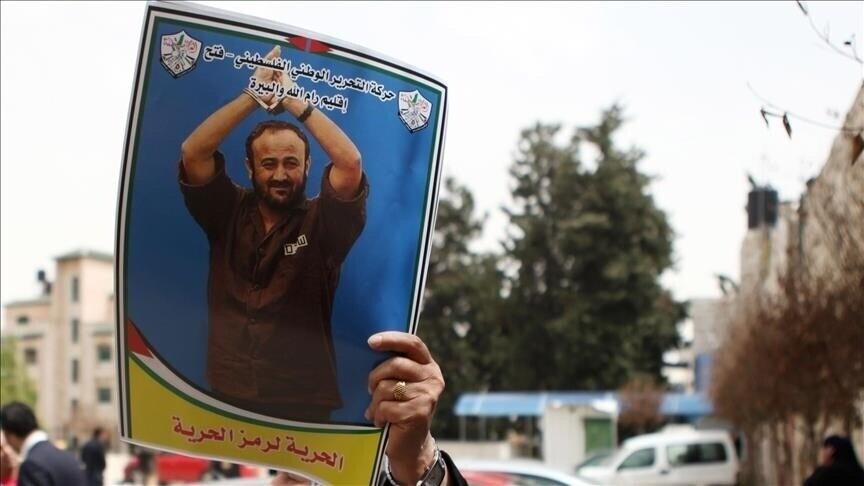
US Democratic Congressman Ro Khan has called on Israel to release Palestinian leader Marwan Barghouti, arguing that liberating the detainee could contribute to achieving a sustainable two-state peace agreement between Palestine and Israel. This appeal came on Friday in a video statement posted on the American platform X, where he emphasized that Barghouti enjoys a unique status among all Palestinian factions due to his clean reputation as a strong leader and nationalist.
Congressman Khan clarified that Barghouti may be capable of leading a Palestinian state living peacefully alongside Israel, noting that many former officials in Israeli intelligence and military support his release. He also pointed out that human rights groups have raised questions regarding the fairness of his previous trial, citing the integration of the Irish Republican Army in Northern Ireland as an example of achieving lasting reconciliation.
This call comes ahead of the Palestinian legislative elections scheduled for November 28 next year, which mark the first parliamentary vote in two decades. There are expectations that Barghouti could be the most likely presidential candidate in the future. Born in 1958 in Qubayr in the occupied West Bank, he joined Fatah at age 15 and emerged as an icon during the First Intifada before being arrested by Israeli security forces in Ramallah in 2002.
In 2004, an Israeli court sentenced him to life imprisonment five times plus an additional 40 years on charges of carrying out killing operations during the Second Intifada, which Barghouti has denied and rejected the court's jurisdiction over him. In February 2024, Israeli authorities transferred the detainee to solitary confinement at Ramon Prison after he refused to admit to orders for attacks on civilians.
Analysis & context
Analysis & Context
From an analytical perspective, the US congressman’s call for Barghouti’s release represents a US attempt to stir internal Palestinian political dynamics ahead of the upcoming legislative and presidential elections. Linking the Barghouti case to peace processes and the two-state solution reflects a diplomatic strategy aimed at using political symbols to bolster international negotiations, especially with growing global interest in Palestinian elections that have not been held since 2006.
In the broader context, the background of the case points to the complexity of relations between Israel and Palestinian factions from the First Intifada until today. Barghouti has been a pivotal figure in Arab-Israeli conflict history, spending many years in exile before returning under the Oslo Accords prior to his re-arrest in 2002 on charges related to the Second Intifada.
The US congressman’s stance highlights the contradiction between the Israeli narrative regarding the fairness of Barghouti’s trials and human rights accounts that question the legitimacy of his conviction, making the issue a continuing legal and political dispute to this day. Furthermore, Khan’s comparison between Barghouti’s case and the Irish reconciliation experience suggests an American effort to apply successful historical models for resolving violent conflicts through political integration rather than military suppression.
Finally, this position sheds light on the sensitive timing of the US appeal coinciding with the scheduled Palestinian elections, which may influence calculations of Palestinian political forces and their orientations toward reconciliation or continuing conflict.