Sourced fact
The News
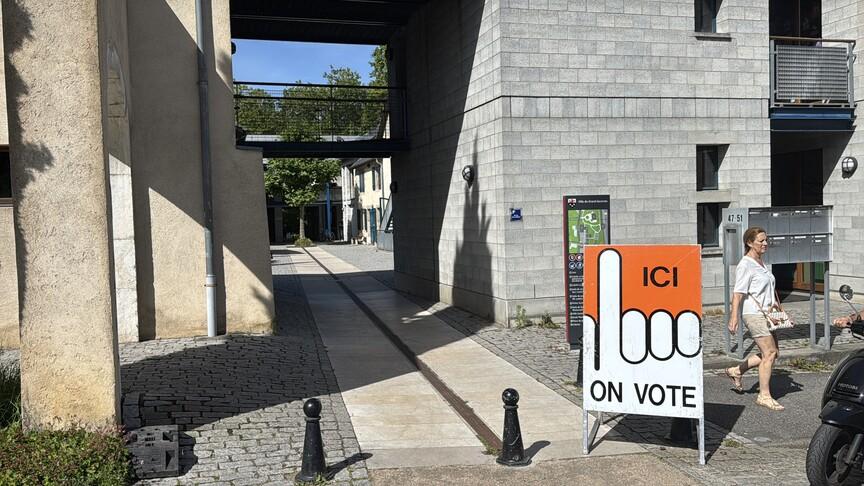
Swiss voters are casting their ballots on Sunday in a historic election to determine the fate of the neutrality policy that has governed the country for centuries, via a decision on the initiative known as "Preserving Swiss Neutrality." This initiative aims to enshrine the principle of permanent and armed neutrality in the constitution, while imposing strict limits on military cooperation with international alliances and banning sanctions against warring states unless imposed by the United Nations Security Council.
The latest opinion polls conducted by the SRG agency show that the vast majority of the population opposes this initiative, with 63% opposing it versus 34% in favor, while voter turnout is expected to reach 49%. The initiative faced strong opposition from both the Swiss Federal Council and parliament, who argued that enshrining such constitutional rules would limit the country's ability to maneuver to protect its security, independence, and economic prosperity in a changing world.
In contrast, proponents of the initiative defended the need for constitutional guarantees to protect national neutrality from external pressures and ensure Switzerland's credibility as a neutral mediator and diplomatic service provider. However, Swiss law requires any constitutional initiative to achieve a majority vote nationwide and across all cantons, a difficult condition to meet given the preliminary expected results.
Voters will also decide today on the "Safe Food" initiative, which aims to promote sustainable local production, encourage plant-based foods, and protect clean drinking water. Preliminary results are expected by noon, with updates continuing throughout the afternoon, making this day critical for Switzerland's future foreign policy and domestic economic policies.
Analysis & context
Analysis & Context
From an analytical perspective, this referendum represents a new test of Switzerland's traditional policy, which has relied on neutrality since 1815 after the Congress of Vienna. This decision highlights the growing tension between historical commitment to neutrality and the requirements of contemporary global security, which witness wider military alliances and acute geopolitical tensions that may threaten the concept of classical neutrality.
In a broader context, the rejection by both the government and opposition of the initiative reflects Switzerland's shift towards more flexible policies in dealing with international alliances without abandoning its full independence. This stance aligns with the strategy of many European countries seeking to balance engagement in international institutions while maintaining national sovereignty amidst challenges from cyber security threats and modern military threats.
The "Safe Food" initiative is part of a global trend towards environmental sustainability and food security, which aligns with the United Nations Sustainable Development Goals. This initiative reflects Switzerland's interest in transitioning towards a green economy and more resilient local communities in the face of climate change and global supply crises.
Finally, this referendum highlights the active role of Swiss civil society in shaping public policy through popular initiatives, making direct democracy a cornerstone of the Swiss political system, which combines parliamentary institutions with the people's right to initiative and referendum.