Sourced fact
The News
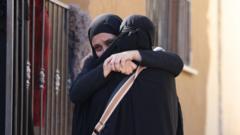
The mother of Mohammed Abu Hajjalah in the occupied West Bank died due to a delay in transporting her to the hospital because an administrative gate was closed by Israeli forces. This incident occurred on September 20th, when Mohammed's mother, Zuhria Abu Hajjalah, aged 66, felt unwell while attending a wedding celebration for her niece in her village of Dir Istiya. Her family stated that she needed urgent medical treatment for a pulmonary embolism but could not reach the hospital due to the closure of Israeli checkpoints, leading to a delay in her transport. Mohammed stated: "If the gate had been open, we wouldn't have lost her on the way."
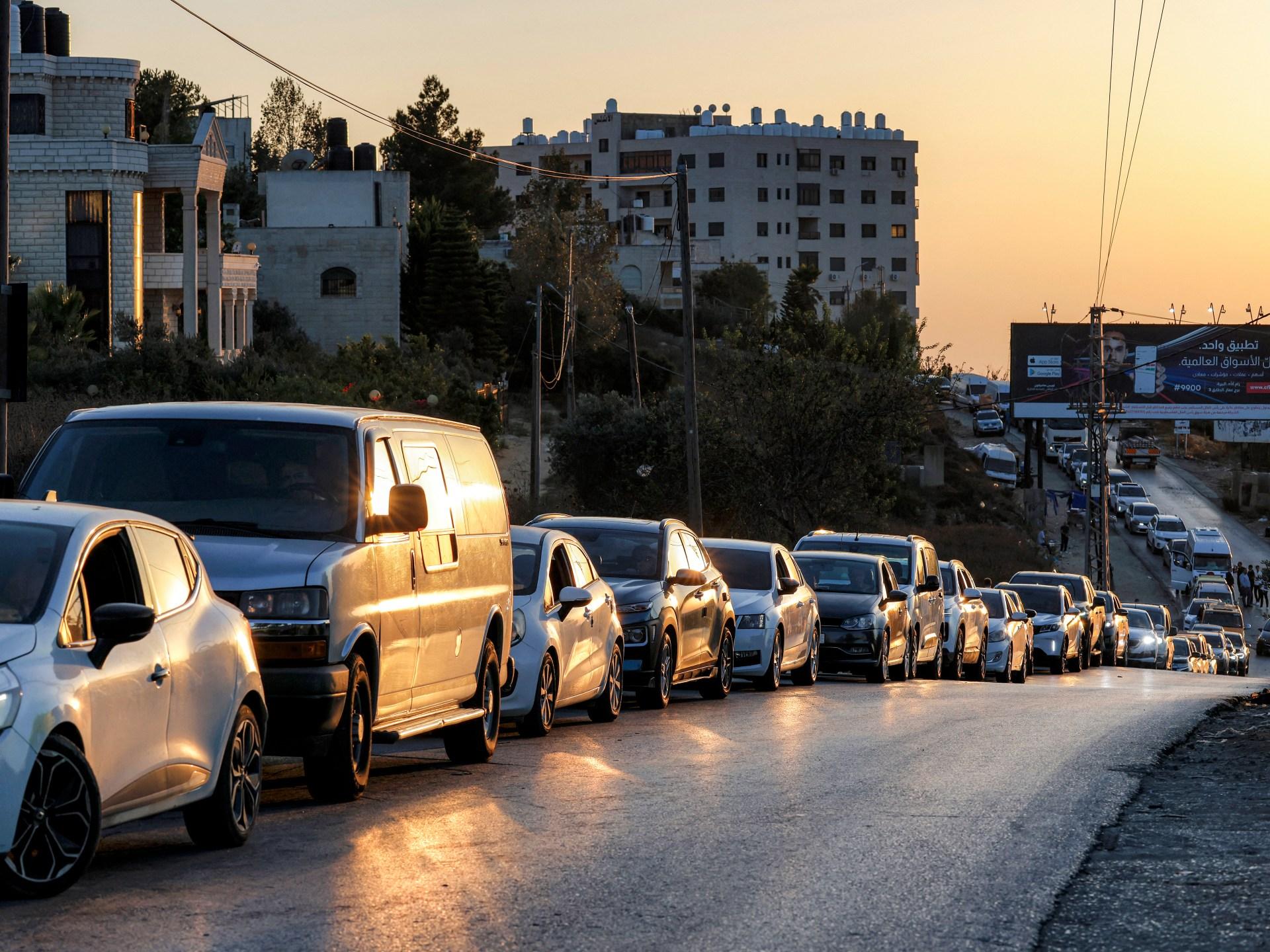
Such incidents recur frequently in the West Bank, where Israel imposes closures on Palestinian towns and villages for extended periods, disrupting the lives of Palestinians. The closures starting from September 27th and lasting until October 3rd, which coincide with Jewish holidays, include the closure of gates and crossings, making it extremely difficult to access work and hospitals. Aptal from Nablus spoke about her experience of spending a full night at her sister-in-law's house due to road and crossing closures, leading to a significant delay and an attack on her son.
According to the Committee for the Protection of Palestinian Rights and Against the Wall (CRRC), as of September 25th, there are 942 military checkpoints, crossings, and obstacles in the West Bank, an increase from 793 in March 2024. These closures fragment Palestinian communities, making access to workplaces, hospitals, mosques, and agricultural areas contingent upon the opening of roads and crossings. Isam Amer, coordinator of the Youth Against Settlements group, noted that restrictions in Hebron make access to the Ibrahimi Mosque difficult and dangerous for Palestinians while settlers are allowed to move freely.
Fawaz Abu Deeb, an activist in East Jerusalem, highlighted that closures in East Jerusalem make life nearly impossible for Palestinians, as shops, schools, and businesses are closed while Israelis are free to move and control the streets. Abu Deeb mentioned that these closures aim to assert religious sovereignty over East Jerusalem.
Analysis & context
Analysis & Context
From an analytical perspective, Israeli restrictions on movement in the West Bank are part of a broader policy aimed at restricting the movement of Palestinians and enhancing Israeli control over the region. These restrictions lead to a deterioration in the humanitarian and economic situation for Palestinian residents, hindering access to essential services and economic opportunities. In a broader context, these measures are part of the ongoing Israeli-Palestinian conflict, where Israel seeks to maintain control over occupied territories while Palestinians strive for independence and sovereignty.