Sourced fact
The News
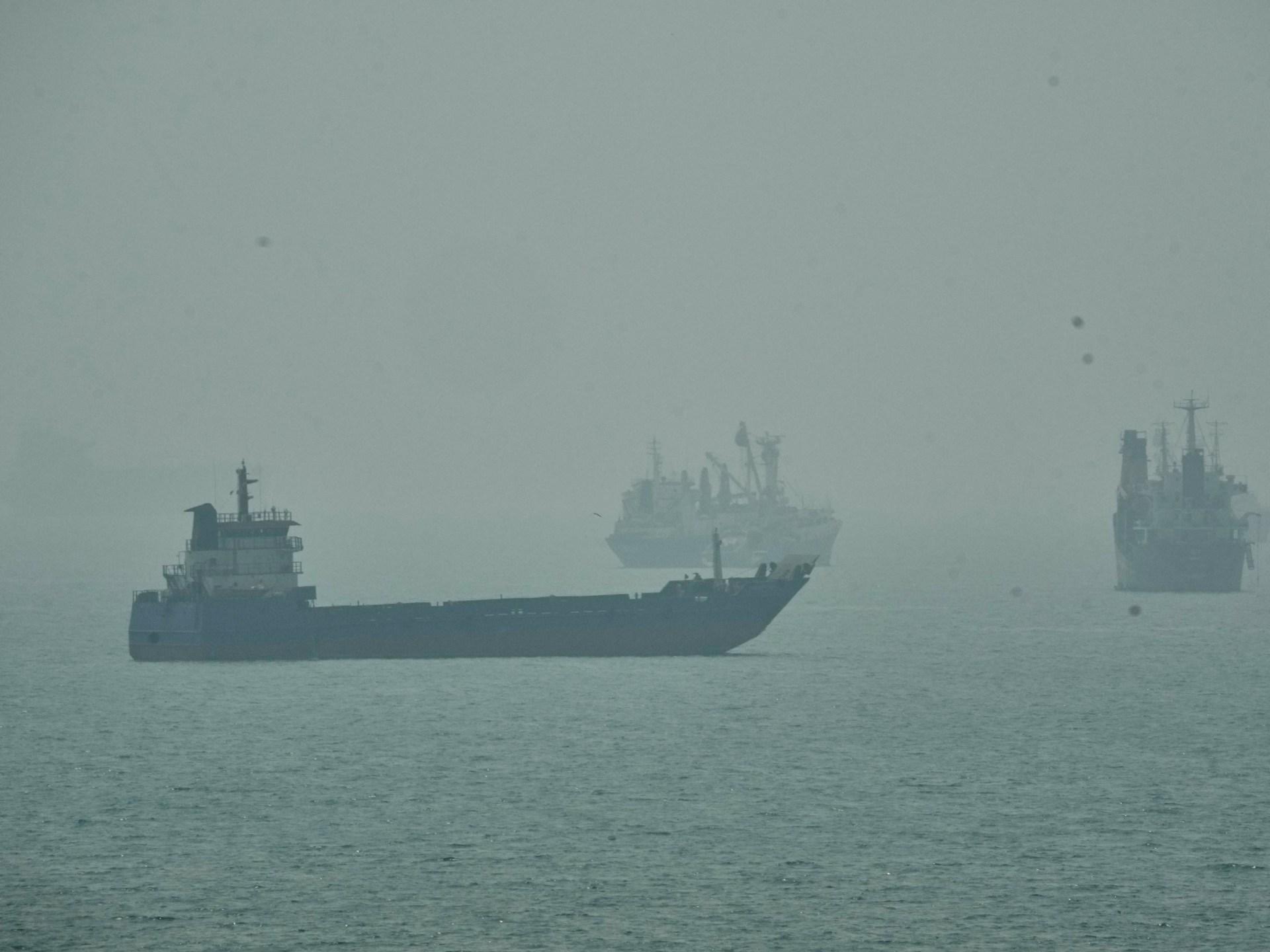
Oil prices surged sharply after US President Donald Trump rejected an Iranian proposal to open the Strait of Hormuz within seven days. Brent futures, the global benchmark, rose by more than 3% on Monday, reaching nearly $108 per barrel during Asian trading. After a midday dip, Brent futures for the upcoming month were trading at $107.35 per barrel before 8:00 am GMT. Major Asian markets showed mixed performance, with the Hang Seng in Hong Kong rising by 0.54%, while the Nikkei 225 in Japan fell by 0.73% and the Kospi in South Korea dropped by 2.70%. This market volatility followed Trump's announcement that Iran's proposal to end the war between the US and Israel against Iran was unfeasible. Iran had proposed to the US the release of frozen Iranian funds, lifting of sanctions, and cessation of maritime blockade in exchange for reopening the strait and returning to nuclear talks within a week. Prior to the onset of the war, around one-fifth of global oil supplies transited through the Strait of Hormuz, which connects the Persian Gulf to the Arabian Gulf and the Red Sea. Since the beginning of the war, commercial shipping traffic through the waterway has significantly decreased, with the region witnessing numerous attacks on ships in the Gulf, mostly attributed to Iran or affiliated groups. MarineTraffic, a maritime data platform, reported that 132 ships transited the strait from September 21 to 27, an increase from 116 in the previous week. Prior to the war's commencement, the strait saw approximately 130 transits daily.
Analysis & context
Analysis & Context
From an analytical perspective, oil prices play a crucial role in the global economy, especially amid geopolitical disturbances. Trump's rejection of Iran's proposal reflects the ongoing tensions between the two countries, increasing uncertainty in global oil markets. In a broader context, around 20% of global oil supplies depend on the Strait of Hormuz, making it a highly sensitive point for conflicts. Reduced shipping traffic in the strait since the start of the war on Iran intensifies concerns about the impact of any developments on global oil supplies.