Sourced fact
The News
Nvidia shares dropped by 6% on Monday following the company's announcement of an independent investigation into its CEO Jensen Huang's relationship with a colleague accused of being a Chinese spy. This development wiped out approximately $250 billion from the company's market value.
The company clarified that it sees no reason to doubt that its secrets or national security have been compromised, but decided to launch the investigation in response to reports suggesting that Jensen Huang had become a target of foreign intelligence operations. The New York Times reported that US officials believe the colleague linked to Huang was acting as a spy for Beijing, while China has firmly denied these allegations, calling them unjustified attempts to damage its reputation.
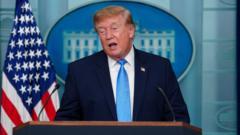
Jensen Huang apologized for betraying his wife and admitted the relationship was illegal, reaffirming his commitment to protecting Nvidia, supporting US national security, and cooperating with ongoing investigations. Meanwhile, former US President Donald Trump defended the CEO, describing him as a man of honor, while other tech industry leaders like Elon Musk came out in support of Huang's leadership for the company's future.
Investors are concerned that Jensen Huang's position is precarious compared to founders of other companies, as he holds a relatively small stake that does not grant him veto power over board decisions. The board could replace him if strong evidence emerges regarding national security or intellectual property violations. Mark Gurman from Bloomberg and experts at Crossmark Global Institutes confirmed that Nvidia will remain central to the AI industry and that investors will not abandon the company despite these temporary crises.
The experts also noted that the board is likely to appoint a successor as vice president to ensure future continuity, especially given that Nvidia chips play a pivotal role in the technological race between the US and China.
Analysis & context
Analysis & Context
From an analytical perspective, investor concerns about Huang's position relative to his peers in the tech sector are evident. He holds a relatively small stake of approximately 3.5% in the company and lacks sufficient veto power to block board decisions, making his position more fragile in the face of any potential administrative moves. Despite analysts' assurances that he would not resign unless there is conclusive evidence of violations related to national security or intellectual property, his precarious standing remains a point of concern.
In a broader context, Nvidia chips remain at the heart of the technological race between the US and China. Washington has imposed restrictions on selling its advanced products fearing that such sales would give China a technological edge. However, Huang had opposed these restrictions, arguing they hindered the global spread of AI. Recently, the Trump administration approved the sale of the H200 chip to Chinese customers under certain conditions.
Nvidia serves as the backbone of the AI industry; without its products, many other companies would struggle with financing and development. Any disruption in its leadership could negatively impact the stability of the entire sector. Experts have warned that Huang's absence could lead to the collapse of much of this complex industry.
Finally, the impact of Nvidia stock fluctuations extends beyond direct investors. It also affects pension and savings funds trading via index-tracking funds that hold stakes in the company. This makes the event significant with wide-ranging economic and social implications that transcend the tech sector alone.