Sourced fact
The News
Lithuania has strongly warned against any attempt to ease European Union sanctions on Belarusian potash fertilizer exports, affirming that allowing these shipments to pass through its territory would be both an ethical and financial disgrace. Davidas Matulionis, spokesperson for Lithuanian President Gitanas Nausėda, stated that any violation of these sanctions carries ethical, legal, and financial implications simultaneously.
This warning comes amid reports of ongoing negotiations between the United States and Belarus over a major deal to purchase potash fertilizer from Minsk. Matulionis noted that U.S. President Donald Trump announced on Monday that Washington is working on this deal, raising questions about how new shipments could reach international markets as long as European restrictions remain in force.
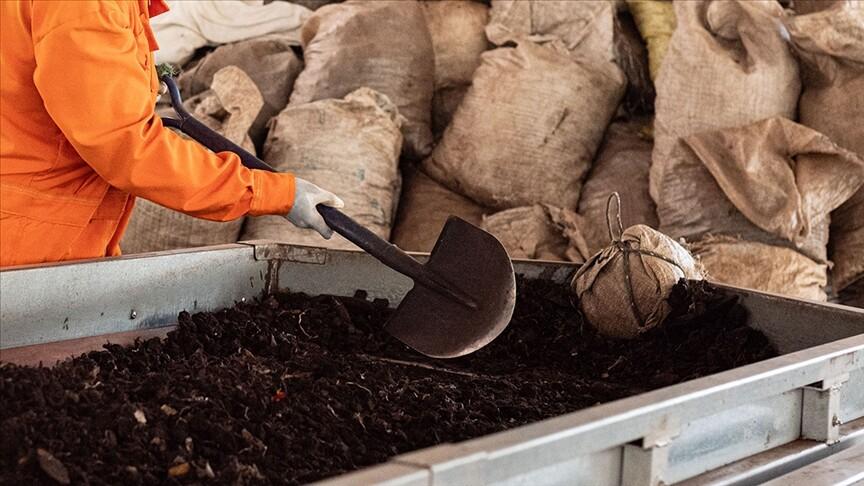
Lithuanian News Agency (LRT) reported that potash fertilizer was previously exported from Belarus via Lithuania to the Klaipeda port before sanctions were imposed, highlighting the importance of this logistical route for any future deal. Matulionis denied that the U.S. is pressuring Vilnius to compel it to allow transit through its territory, saying it was merely an inquiry into Lithuania's position during a visit last week by John Kohl, the U.S. special envoy to Belarus, to the Lithuanian capital.
The Lithuanian official also added that his country does not wish to route American purchases via Russia, as that would generate revenue for Moscow, emphasizing that regional countries have maintained a unified stance against making concessions on the transit issue. The agency noted that EU sanctions on Belarusian fertilizer are set to expire at the end of February unless renewed.
Analysis & context
Analysis & Context
From an analytical perspective, Lithuania's firm position reflects the continued commitment of European states to Western policies toward Russia and Belarus, even as there are signs of a shift in U.S. policy under Trump’s leadership. The insistence that any violation would be "ethically disgraceful" suggests an effort to justify the stance before domestic and international public opinion and to avoid slipping into the trap of short-term commercial interests.
In the broader context, the issue of economic sanctions on Belarus remains one of the most complex files in European international relations, where security considerations intertwine with global market interests in fertilizers. The potential expiration of sanctions at the end of February could be a turning point if not renewed, possibly opening the door for new pressure from actors such as the United States or China to resume trade with Minsk.
Furthermore, Lithuania's refusal to route shipments via Russia reflects a broader Baltic strategy to avoid supplying the Russian regime with any financial resources, even if these resources come from indirect commercial deals. The dialogue with U.S. special envoy John Kohl appears to have been merely an exploration of Vilnius' position without any actual agreement to change the current logistical route.
Finally, this file highlights the importance of the Lithuanian port in Klaipeda as a vital element in the European supply chain, as any change in shipping routes could directly affect energy and food security in the region.