Sourced fact
The News
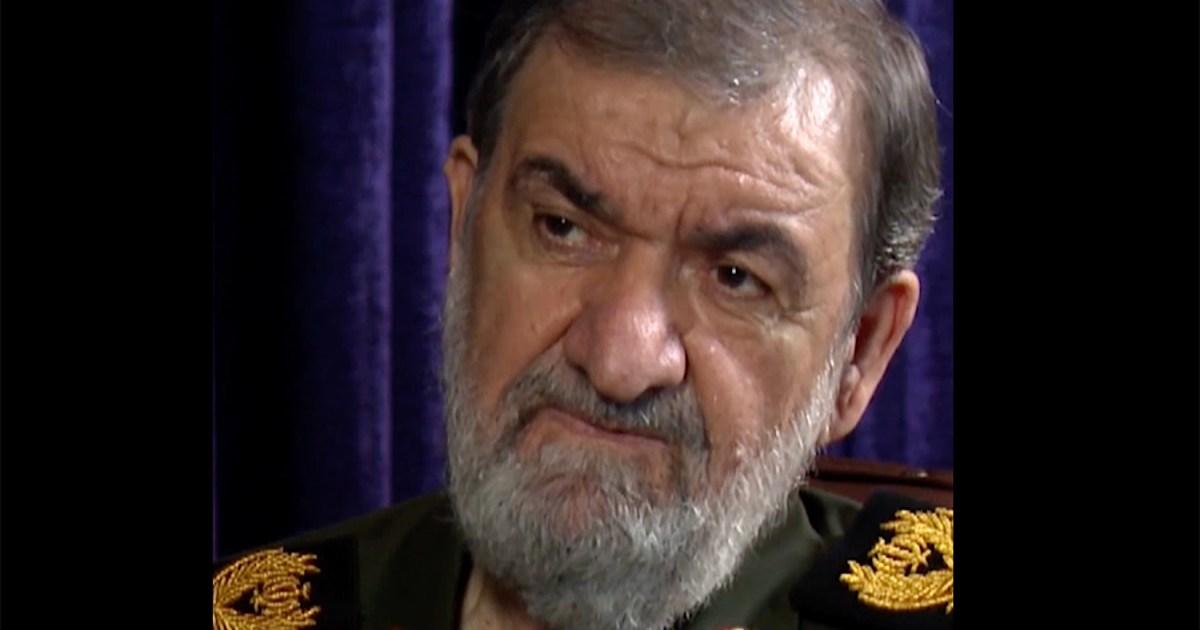
Iranian Chief of Staff Hossein Radhi announced in an exclusive interview with Al Jazeera on Saturday that Tehran has set new conditions to end the war with the United States via Qatari intermediaries, noting that Iran is now more prepared to fight than in the first months of the conflict. Radhi emphasized that Washington will face a stronger force with more numerous and painful strikes if it does not accept these new terms, which guarantee ending the war on all fronts, including Lebanon.
The proposed conditions included lifting the naval blockade on Iranian ports and releasing frozen funds worth billions of dollars, as well as ending US interference in Iran's internal affairs and halting all attacks on Iranian territory. Radhi also called for an end to US cooperation with "anti-revolution" forces and reopening the Strait of Hormuz to ensure safe passage for ships after comprehensive hostilities cease.
The spokesperson for the Houthis stated that Iran has not participated in escalating the war in Yemen, affirming Tehran's readiness to mediate between warring parties to achieve peace without exploiting the conflict for private political purposes. Radhi also refuted speculation about closing Bab el-Mandeb, considering it a Yemeni matter related to Houthi movement rather than Iran, while confirming that Iran has not exited the Nuclear Non-Proliferation Treaty despite US and Israeli threats.
A member of the Australian Strategic Policy Institute explained that Iran is reassigning responsibility to Washington by publicly announcing its terms, especially after the failure of the Islamabad agreement, believing Tehran relies on the unpopularity of the war in the US midterms as political leverage. He added that both countries are stuck in a deadlock where the US can maintain the naval blockade while Iran retains asymmetric flexibility that makes things difficult for everyone.
In an undefined American response, the White House warned citizens in several Arab and regional countries of a complex security environment fraught with the risk of sudden escalation. Meanwhile, President Donald Trump returned to Washington early from Camp David without providing an official explanation for this decision. Although the 60-day memorandum of understanding expired on June 17 last month, both parties remain far from peace as oil ship attacks continue and oil prices rise above $100.
Analysis & context
Analysis & Context
From an analytical perspective, Iran's current stance represents a dual strategy combining diplomatic openness with continued military readiness, which Al Jazeera's correspondent in Tehran described as a two-sided message that Iran maintains throughout the conflict. While the essence of Iran's terms resembles its demands under the June memorandum of understanding, the timing and delivery channels have changed drastically following the failure of the Islamabad agreement.
In the broader context, both parties face a deadlock where the US can sustain the naval blockade and air control without forcing Iran to surrender, while Iran cannot break the blockade but retains asymmetric capabilities that make things difficult for everyone. Iranians primarily rely on the unpopularity of the war in the US and the expected impact of mid-term elections in their favor.
Radhi also addressed Iran's nuclear program, refusing to confirm withdrawal from the Non-Proliferation Treaty as a potential future option under pressure, while denying any Iranian intervention in Yemen and affirming Tehran's readiness to help achieve peace there. Finally, the US has not yet responded to these new terms despite warning citizens of several Arab countries about the complex security environment.