Sourced fact
The News
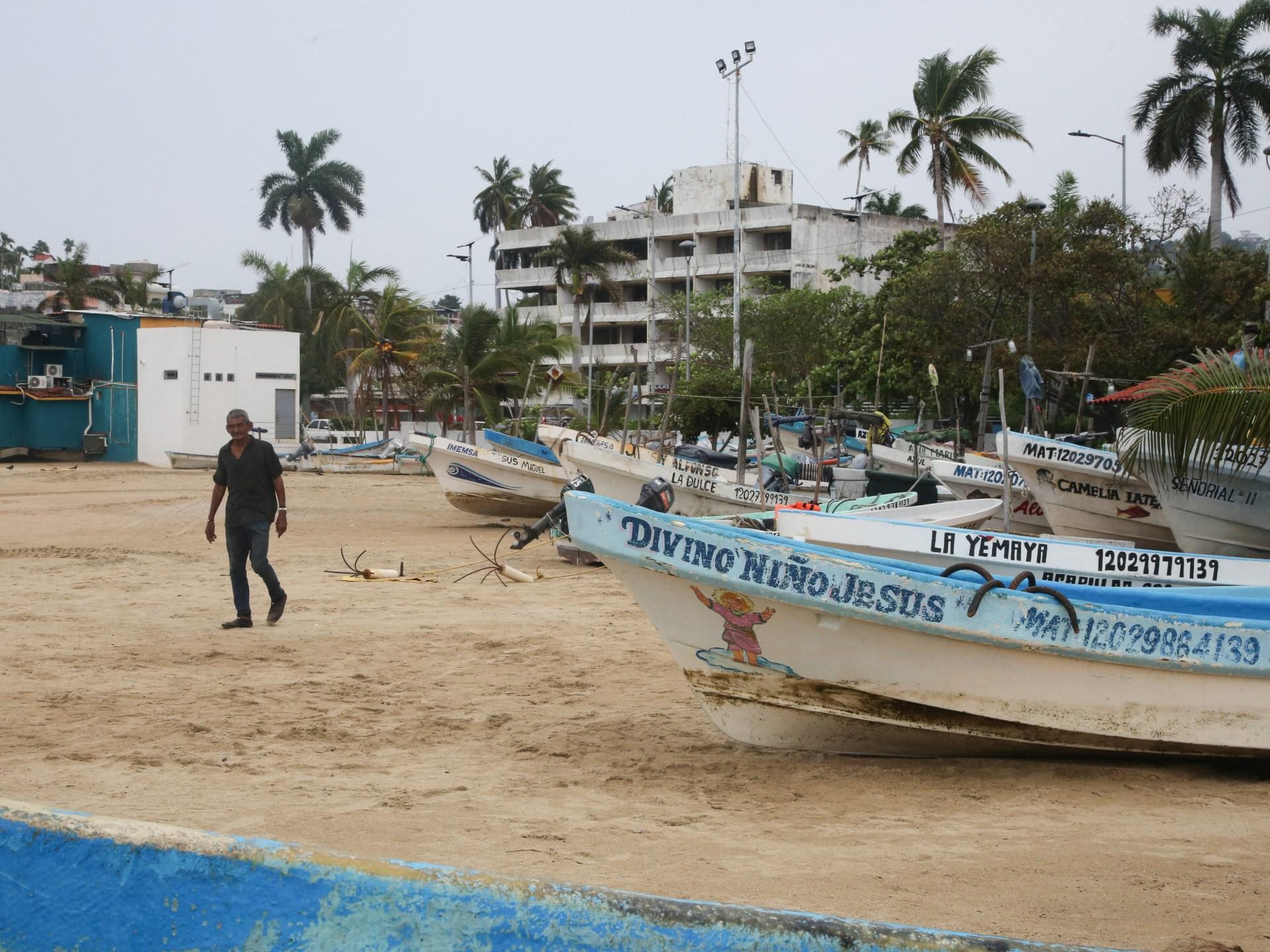
Hurricane Trudy maintained its strength as it approached Mexico's western coast, with warnings of possible intensification before it begins to weaken on Sunday. The U.S. National Hurricane Center issued a hurricane warning covering the coastal area from Manzanillo National Park in Colima to Cabo Corrientes in Jalisco. According to the agency, the hurricane was about 305 kilometers southeast of Manzanillo at 1 a.m. Saturday, with sustained maximum winds of 150 kilometers per hour.
The U.S. National Hurricane Center stated that the hurricane would move at a speed of approximately 13 kilometers per hour and would approach the southern and western coasts of Mexico later on Saturday, passing near the coast throughout the night until early Sunday. The agency added that hurricane conditions are expected in the warned area on Saturday night, while tropical storm conditions are anticipated to spread across the region during the day.
Hurricane Trudy is forecast to bring 10 to 20 centimeters of rain to parts of Michoacán, Colima, and Jalisco over the weekend, increasing the risk of flooding and landslides, particularly in rugged terrain. The agency also warned of potential coastal flooding due to high water levels in areas exposed to onshore winds, along with large and destructive waves.
The Mexican Navy urged extreme caution from the maritime community and coastal residents due to high waves, strong winds, and potential flooding and landslides in vulnerable areas. Although Colima stated that current risks are low, it warned that the hurricane could bring heavy rains that might have damaging effects due to saturated ground from a series of storms that have hit Mexico's Pacific coast this year.
Analysis & context
Analysis & Context
Analytically, Hurricane Trudy poses a significant threat to coastal areas in Mexico, potentially leading to destructive flooding and landslides. This region is particularly vulnerable to repeated impacts from hurricanes and floods, exacerbating the potential severity of damage. In a broader context, Central and South American countries face increasing challenges due to climate change, which increases the occurrence of severe hurricanes and floods. Local and governmental preparations for such natural events are becoming increasingly crucial to minimize human and material losses.