Sourced fact
The News
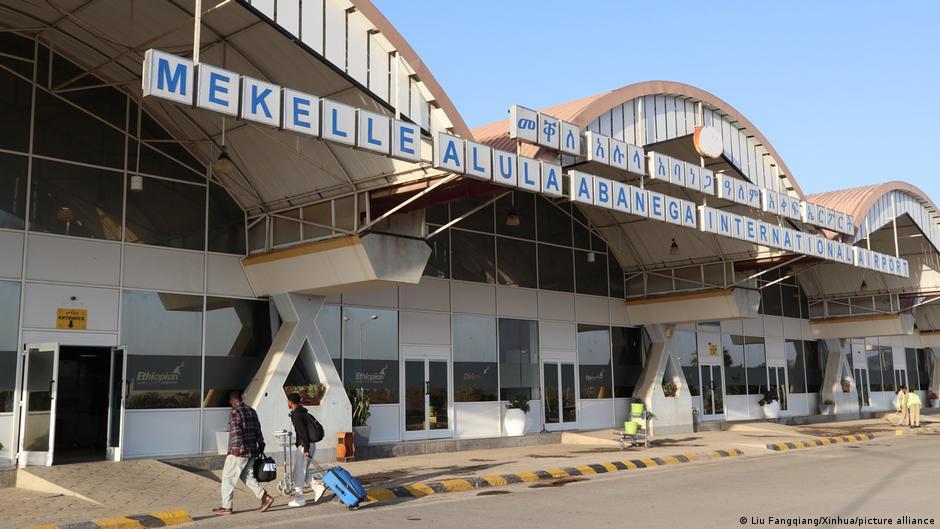
New reports point to a sharp escalation in the Ethiopian conflict following the outbreak of military clashes between federal forces in Addis Ababa and regional forces in Northern Tigray, raising questions about the fate of the fragile peace reached in 2022. Humanitarian sources confirmed fighting in the border towns of Abala and Arbaminch near Tigray, while Ethiopian Airlines suspended flights to Mekelle, Shewa, and Axum due to the current situation in the region. Although DPA could not independently verify reports that Tigrayan forces had taken control of airports in the area, researchers see these developments as a step toward a new full-scale war.
The two sides offer conflicting narratives regarding the reasons for this latest escalation: The Tigray Regional Government stated in a statement issued on September 23 that it responded to a defensive attack by the federal government, which it described as launching a "genocidal invasion," while the Federal Government characterized the events as part of a coordinated threat from armed groups opposed to Prime Minister Abiy Ahmed. While independent verification of claims about airstrikes, missiles, and drone attacks targeting Tigray remains difficult, this divergence in interpretation reflects the difficulty of any new peace efforts between the two parties.
German analysts argue that the current crisis cannot be separated from the flaws of the Pretoria Agreement of 2022, which ended the war but failed to resolve underlying political and territorial disputes such as the return of displaced persons and Tigray's political representation. Experts also point to a new alliance comprising seven armed groups, including Tigrayan forces, Fano, and Oromo Liberation Army forces, who were former enemies, adding another layer of complexity despite their differing political goals and diverse operational areas.
Researcher Kjetil Tronvoll emphasizes that the Pretoria Agreement stopped fighting but did not resolve the fundamental political conflict over Ethiopia's governance model between a decentralized system supporting regional autonomy versus the centralized model followed by the current government. At the same time, analyst Greta Kurz notes that the alliance of armed groups may be a temporary tactical move aimed primarily at overthrowing Abiy Ahmed's government, and sustaining military coordination across vast distances poses a major challenge to the durability of this alliance.
International efforts to determine the course of the conflict face significant challenges, as ongoing diplomatic initiatives have so far failed to revive a new political process despite warnings from the United States and the European Union about the risk of widespread war. Kurz confirms that preventing the expansion of the war requires broader diplomatic efforts and an alliance among multiple international actors, especially with increasing intervention by regional parties such as Eritrea, which denies accusations of supporting the alliance despite reports of communications between armed groups there.
Analysis & context
Analysis & Context
From an analytical perspective, the current crisis cannot be separated from the flaws in the 2022 Pretoria peace agreement, which ended two years of devastating war but failed to resolve underlying political and territorial conflicts. The matter goes beyond merely implementing agreement provisions to a deeper struggle over Ethiopia's governance vision: the Tigray People's Liberation Front alliance defends a strong federalism, while Prime Minister Abiy Ahmed's government seeks a more centralized political model.
In the broader context, the emergence of an alliance of seven armed groups opposed to Abiy Ahmed adds another layer of complexity, including Fano forces from the Amhara region and the Oromo Liberation Army. Although this alliance represents a major political development, its geographical and political differences among members make turning shared opposition into a sustained military and political strategy difficult to achieve.
Ethiopia's neighbors, such as Eritrea, also play a pivotal role in the landscape, with the Ethiopian government accusing Eritrea of supporting the alliance while Eritrea denies these allegations. Reports indicate communications between armed groups and Eritrea, but the greatest challenge lies in the lack of a single international actor with sufficient influence over all parties to contain escalation and prevent local clashes from turning into a new full-scale war.