Sourced fact
The News
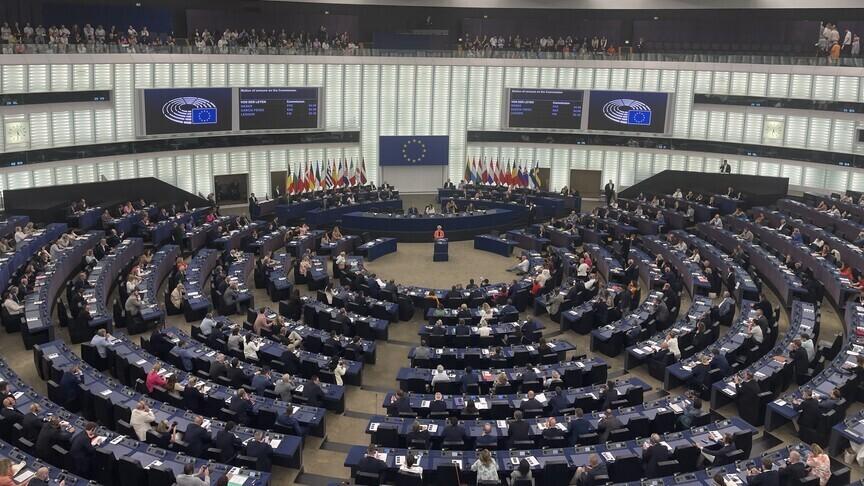
On Tuesday, European Union member states agreed to remove Russian billionaires Alisher Usmanov and Mikhail Fridman from the list of sanctioned individuals, according to diplomatic sources cited by Politico. This agreement followed sustained pressure from France to remove Usmanov, while Luxembourg had previously sought to remove Fridman from the list, amid disputes lasting over a week regarding the renewal of individual sanctions against approximately 3,000 persons and entities linked to Russia.
According to reports relayed by Anadolu Agency, countries such as Slovakia and France supported lifting sanctions on Usmanov, whereas Slovakia, Hungary, and Luxembourg preferred removing Fridman from the list. The final agreement was reached after Latvia agreed to abstain from voting despite its initial opposition to the initiative; five diplomats told Politico that this shift in stance was crucial for sealing the deal. It appears the decision will postpone future discussions on individual listings until 2029, as the sanctions list is expected to remain valid for an additional three years.
The diplomatic background of this decision highlights the complexities of European foreign policy, where France called for Usmanov's removal citing a "specific national security issue," according to a French diplomat quoted by The Washington Post. Conversely, Kairi Visiki, deputy secretary-general of Estonia's Ministry of Foreign Affairs, told regional radio ERR on Tuesday that there was no justification for removing the two men from the list, confirming that Estonia, Latvia, and most other member states oppose this step. Ukrainian Foreign Minister Dmytro Kuleba also expressed Kyiv's dissatisfaction with the decision on X (formerly Twitter), describing it as "shameful and unjustified" and calling on European countries to impose their own national sanctions.
Additionally, Kremlin spokesman Dmitry Peskov expressed Moscow's position at a press conference, stating that the sanctions imposed on them are "illegal" and calling for all sanctions against Russian citizens to be lifted. Both individuals hold extensive commercial interests in Europe; Usmanov built his fortune through metals, mining, telecommunications, and technology, while Fridman accumulated wealth via the banking, energy, and investment sectors. Both have faced EU sanctions since the start of the war in Ukraine.
Analysis & context
Analysis & Context
From an analytical perspective, this decision represents a diplomatic turning point within the European Union, reflecting diverging priorities among member states as French national security interests clash with Baltic concerns over regional security implications. France's pressure underscores its growing role in shaping EU foreign policy, while Latvia's agreement to abstain signals an attempt at compromise to prevent the collapse of the broader European agreement.
In a wider context, the decision to postpone discussions on the individual sanctions list until 2029 indicates a temporary freeze in ongoing debates about targeted sanctions, which could reshape the geopolitical landscape in Eastern Europe and influence strategies of neighboring countries to Russia. Furthermore, negative reactions from Ukraine and the Kremlin highlight the challenges facing EU policy as it attempts to balance economic relations with political and security objectives.
This event is part of a series of recent developments affecting sanctions imposed on Russia since the start of the war in Ukraine, where European nations oscillate between holding firm on red lines and recognizing the need to reassess certain economic measures. The continued impact of sanctions on the two men's assets in Europe underscores the legal and political complexities international institutions face when dealing with highly influential economic entities.
Finally, disagreements among countries such as Slovakia, Hungary, and Latvia over who deserves removal reveal deep divisions within the EU regarding how to deal with Russian elites, which could affect the alliance's cohesion in the near future.