Sourced fact
The News
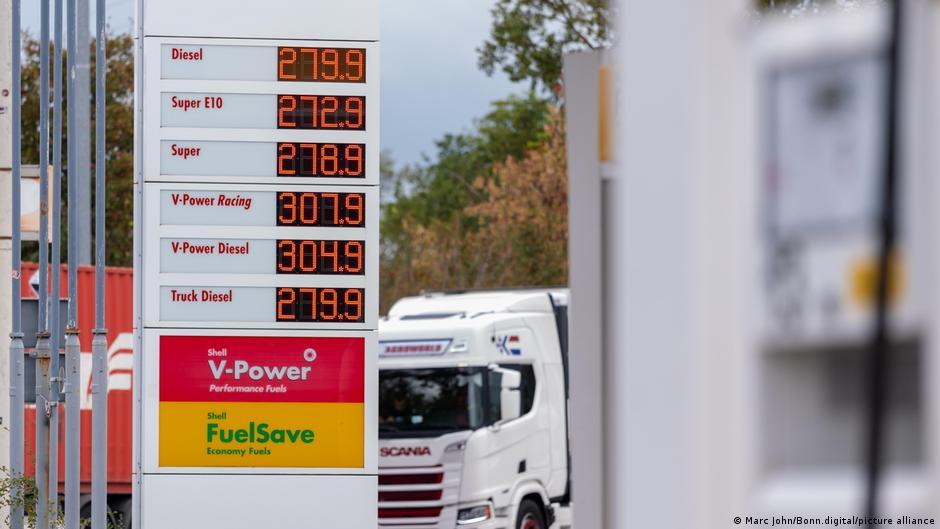
Global diesel prices have sharply increased, significantly impacting the world economy, particularly in Europe. According to data from the U.S. Energy Information Administration, the average price of a gallon of diesel in the United States is $6.52, a substantial increase from last year's levels. The U.S. attributes this rise to attacks on Russian oil refineries in Ukraine, leading to a 30% reduction in Russian diesel production.
President Donald Trump stated that Ukraine should cease targeting Russian oil refineries because it causes a diesel shortage. However, energy experts argue that imposing a U.S. ban on diesel exports may not be effective in lowering prices and could instead boost local production and drive up costs.
Europe faces unique challenges due to its heavy reliance on diesel for transportation and industry. George Zachmann, a research fellow at the Bruegel Institute, explained that tax policies and incentives in Europe have led to an increase in diesel-powered vehicles, making the region more vulnerable to fuel price shocks. According to a study by the Transport and Environment Organization, European car drivers are now paying an additional 30 euros to fill a 50-liter fuel tank, while an average German truck driver incurs an extra 236 euros per week.
Skip York, a fellow at Rice University's Center for Energy Studies, noted that the capacity of refineries to process crude oil is the primary factor behind rising diesel prices. He added that attacks on refineries in Ukraine and the Strait of Hormuz lead to a rapid decline in diesel production. With refining capacity in Europe and the U.S. shrinking since 2019, markets have become more vulnerable to supply shocks, reducing their ability to handle shortages.
Analysis & context
Analysis & Context
Analytically, diesel is a critical component of the global economy, especially in Europe, where it constitutes a large portion of fuel consumption in the transport, agriculture, and industrial sectors. Rising diesel prices directly impact transportation, agriculture, and industry costs, contributing to inflation and reducing consumer purchasing power.
In a broader context, Europe suffers from a lack of diesel refining capacity due to the closure of many refineries in recent years. This shortage makes Europe more susceptible to disruptions in diesel supply from Russia and the Middle East.
Notably, geopolitical tensions in the Middle East and Russia could lead to further increases in diesel prices in the future, exacerbating economic pressures on Europe. Additionally, U.S. restrictions on diesel exports could have a negative impact on prices in Europe, adding to the region's economic challenges.