Sourced fact
The News
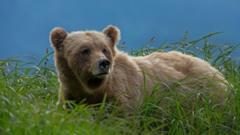
Four gray bears were killed in British Columbia, Canada, following a lethal attack on a mother and her daughter. Jennifer Balcarras (48) and her daughter, Selah Reed (20), died last month during an evening hike in the Bella Coola Hills area. Forensic tests confirmed that a female bear and three of her cubs were responsible for the attack, and they were eliminated in accordance with guidelines for managing human-wildlife conflicts to protect the public.
Jeff Tayler, an investigator with BC Conservation Services, stated that evidence and animal DNA conclusively linked the four bears to the incident, noting that the attack involved predatory behavior, which is rare. Tayler added that more than a dozen conservation officers participated in the investigation last week amid difficult terrain and harsh weather conditions.
Jennifer's brother, Josh, described the two sisters on Monday, saying they were "like peas in a pod" who had never had a disagreement, explaining that Selah always walked beside her mother while climbing. Tayler also confirmed that DNA analysis ruled out these bears' involvement in another attack that occurred in 2025 on a school group in the same area, which injured 11 people without identifying the responsible bear.
Samuel Schinner, the elected head of the Knox Lake First Nation, expressed his gratitude to BC Conservation Services for their efforts in resolving the case, stating that the attack has reignited community trauma as they still recover from the effects of last year's incident.
Analysis & context
Analysis & Context
From an analytical perspective, this incident serves as a grim reminder of the complexities of coexistence between humans and wildlife in northern Canada, where natural climbing trails intersect with gray bear habitats. The rarity of predatory behavior, as described by the investigator, makes each such attack an extraordinary event that raises widespread community concern, especially following the previous attack.
In a broader context, BC Conservation Services operates within strict legal frameworks requiring the destruction of accused bears to protect public safety in accordance with established cross-cutting guidelines. Although this measure is harsh, it is viewed as a security necessity in areas suffering from high wildlife density and increasing human activity.
The attack on the school group last year marked a significant turning point that led to increased community vigilance and the activation of rapid response mechanisms for any potential bear threat. The continued impact of that previous attack on the same area illustrates how wildlife incidents leave deep psychological scars that can last for years among local residents.
The collaboration between Indigenous tribes, such as the Knox Lake First Nation, and government conservation services reflects a model of community reconciliation in the face of environmental disasters that repeatedly strike their traditional territories.