Sourced fact
The News
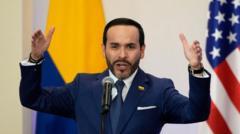
New Colombian President Abelardo de la Esperilla has signed a presidential decree significantly easing restrictions on the lawful possession of firearms in public spaces. This decision comes as fulfillment of his campaign promise during the presidential race, where he stated it is unjust for criminals to be armed while law-abiding citizens cannot defend themselves.
The decree lifts the moratorium that has been in place since 2015, which even prevented licensed owners from carrying their weapons outside their homes without additional permission—a suspension extended annually by successive administrations. President de la Esperilla emphasized that this measure will not create security chaos but will maintain strict controls precisely defining who is eligible to own a firearm.
The president clarified that the decree affects approximately 700,000 people in Colombia who already hold valid legal licenses, now allowing them to take their registered weapons outside their homes provided their licenses are active. He also noted that over 15,000 illegal weapons were seized this year, most from rebel factions affiliated with FARC and Gulf Cartel, thereby strengthening the country's security.
Analysis & context
Analysis & Context
From an analytical perspective, this decree represents a significant political shift in Colombia, contrasting sharply with former President Juan Manuel Santos, who originally imposed the suspension in December 2015 to enhance security during holidays but allowed it to become a permanent measure through annual extensions.
In the broader context, the decision faces criticism from certain political voices, such as Senator Ariel Avella from the Green Alliance party, who described the step as a grave mistake that could arm criminals by empowering civilians with legal licenses. This debate highlights the enduring tension in Colombia between citizens' right to self-defense and public security concerns, especially given the continued presence of criminal gangs and rebel factions like Gulf Cartel, which control vast territories and use weapons intensively.
The new presidential stance also reflects a move toward restoring trust in campaign promises, as de la Esperilla affirmed that "a man's word is his honor," making adherence to electoral pledges a priority in his domestic and security policies.