Sourced fact
The News
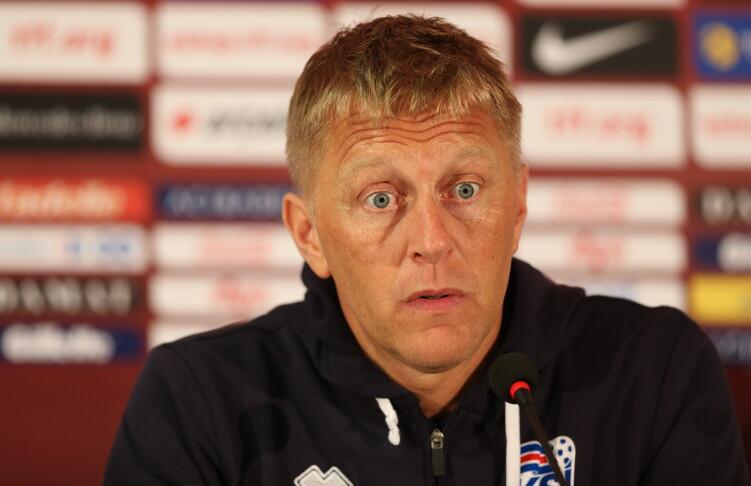
Republic of Ireland national football team coach Hjalmar Halgermsen confirmed on Saturday that his squad's participation in their upcoming match against Israel should not be interpreted as acceptance or support for what is happening in the Gaza Strip. In a press conference held at Naghirdy Stadium in Derrybeg, Benaghur, the coach clarified that the players wished to emphasize that taking part in the game does not constitute endorsement of the ongoing events there.
Halgermsen stated: "I simply say we do not accept what is happening by playing; if a player enters the field tomorrow, they are not accepting or supporting or agreeing with anything that happened in Gaza, and this is a clear statement." He added that the players faced significant pressure regarding their participation in the match, noting that they are following only the competition's sporting rules.
Continuing, Halgermsen said: "We are not playing with Israel but against it, and the players feel they are doing something wrong by playing in this match under pressure from the Irish public, which is a bad feeling when this pressure comes from people you want to play for." He also explained that participation was necessary due to the game rules that everyone must adhere to.
In contrast, the Football Association of Ireland confirmed that the European League Cup match against Israel scheduled for Sunday in Derrybeg will proceed despite differing opinions among the players. The association stated the decision was made after consulting with players who expressed varying views; while the majority voiced a desire to hold the match, the FA respected the opinions of all participants and the sensitivity of the issue.
Analysis & context
Analysis & Context
From an analytical perspective, this issue highlights the persistent tension between adherence to official sporting regulations and the ethical and political pressures facing national teams in international conflicts. The coach's statements indicate that the team is attempting to balance its duty as a competitor with the necessity of clarifying its stance on ongoing humanitarian events.
In the broader context, this was not the first time international matches have been tested due to regional conflicts, with voices repeatedly calling for event cancellations or player withdrawals as acts of protest. The "Stop the Game" campaign led by the organization "Irish Sport for Palestine" serves as an example of how sport has transformed into a arena for political and social struggle in modern times.
Additionally, requests from certain players, such as goalkeeper Gavin Bazano to withdraw, reflect the depth of division within the squad between those wishing to comply with rules and those preferring to express their ethical positions. Irish media reports suggest this internal disagreement may affect team cohesion ahead of the crucial upcoming match.
Finally, the European Football Association's decision to force teams to play despite differences underscores the dominance of administrative bodies over humanitarian issues in the global sporting world.