Sourced fact
The News
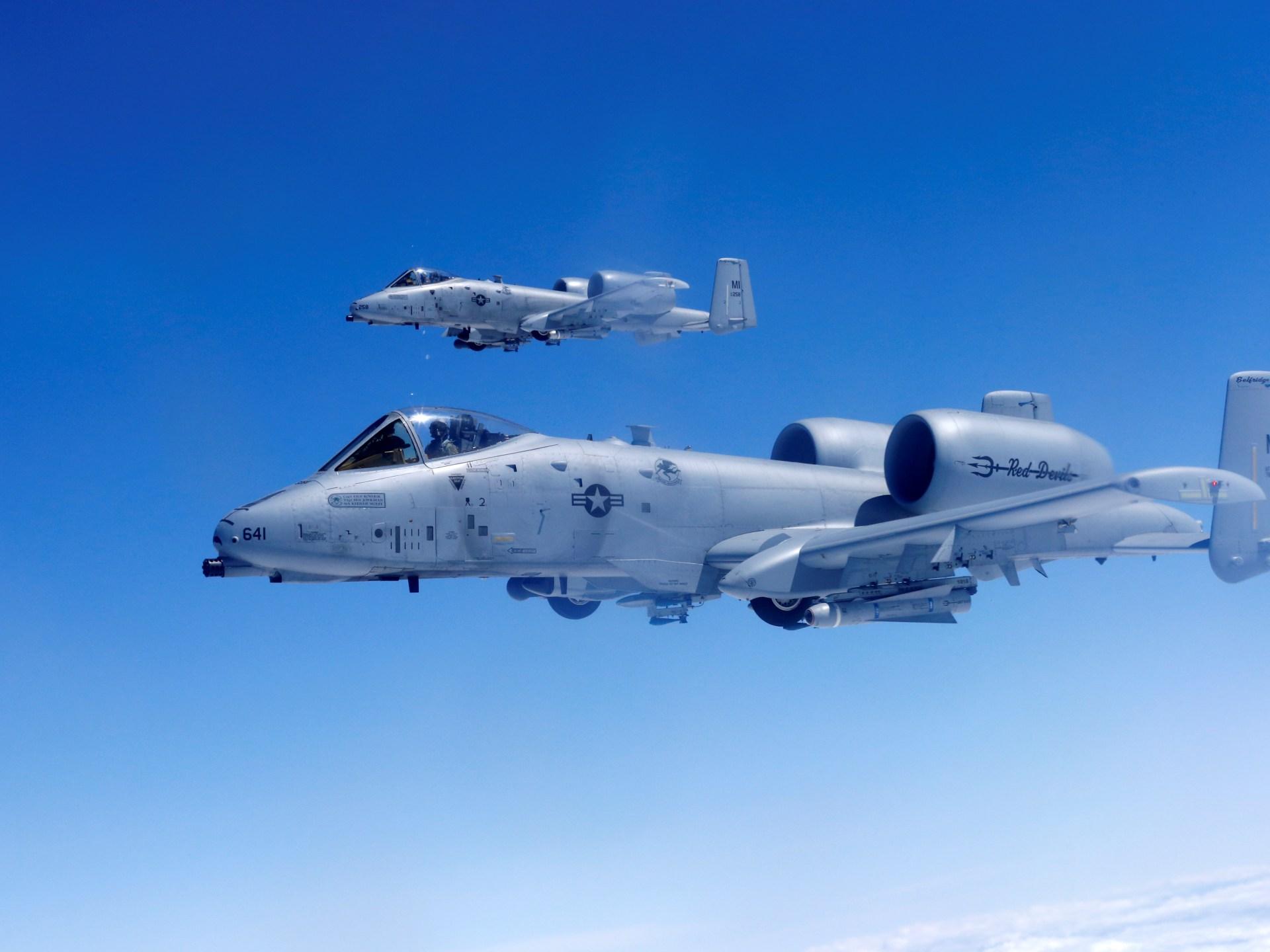
A NATO Italian fighter jet forced a suspected Russian drone to crash inside Lithuanian airspace on Tuesday near the town of Braconėnai in central Lithuania. Al Jazeera reported that officials stated the drone entered from Belarus and carried explosive materials, while spinal analysis is being conducted to precisely identify its origin.
Lithuanian Defense Minister Robertas Gėlžinskas said the incident highlights the value of the Atlantic alliance after meeting with the flight crew involved in the operation. Conversely, European Commission President Ursula von der Leyen described the event as part of a recurring pattern of aggression and incitement against Europe.
German Foreign Minister Johannès Vadipol also blamed Russia, stating that NATO members will not fear any threats. No official immediate comments have been issued by the Russian side regarding this specific incident so far.
These events coincide with rising tensions following Russia's issuance of warning signals toward a Danish helicopter monitoring a Russian warship in the Baltic Sea on Monday. In another context, Russian drones struck a train near the Polish border minutes after a diplomatic delegation from Britain, Europe, and the United States passed by.
Gėlžinskas warned during a press conference that collision incidents will continue unless a negotiation settlement is reached, noting that Vladimir Putin does not want a peaceful truce, according to his words.
Analysis & context
Analysis & Context
From an analytical perspective, the shooting down of the drone over Lithuania represents a dangerous escalation of security tensions in Eastern Europe, where the airspace of NATO member states is transforming into an indirect battlefield between Russia and the Western alliance. This incident shows that the Russia-Ukraine war has geographically and politically extended to neighboring countries such as Lithuania and Poland, threatening to expand the scope of the conflict beyond the direct borders of the original dispute.
In the broader context, European officials' statements indicate a shift in Western deterrence strategy, which now relies on demonstrating military and political cohesion to confront what Moscow calls "aggression." NATO Secretary General Mark Rutte's refusal to provide further support to Ukraine comes as a clear signal that the alliance links the security of its members with Ukraine's fate, making any Russian attack on Europe a high-cost strategic gamble.
Furthermore, Lithuanian Defense Minister Gėlžinskas's warnings that the Russia-Ukraine war has spread and that incidents will continue unless a negotiation settlement is reached reflect a complex reality where Putin reportedly does not desire it, suggesting that the drivers behind the escalation may go beyond merely responding to direct attacks to include broader geopolitical objectives.