Sourced fact
The News
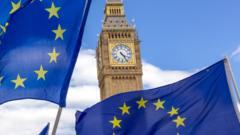
The UK government and the European Union are set to publish the texts of two new treaties on Thursday as part of a recalibration of relations following Britain's departure from the EU. The agreements announced will include details on food exports and emissions trading, along with legislation to reduce costs for implementing the deal. This arrangement has sparked significant debate regarding its benefits, costs, and long-term impact on the relationship between the United Kingdom and the European Union.
The legal texts will be published on Thursday alongside legislation designed to enact the bulk of the deal, covering food exports and emissions trading plans. New assessments of the agreement's impact on various sectors and regions across the country are also expected to be released. Both the industrial sector and the government hope that cost reductions for producers and sellers will be passed on to customers, although a clear effect at retail points may not be immediately noticeable.
The agreement significantly benefits food exporters through the removal of bureaucratic procedures and inspections, alongside the dismantling of border facilities that will be drastically reduced under the new deal. Hamish Falconer, the European Affairs Minister, noted that the cost reduction law allows for the implementation of two major trade agreements and reduces paperwork for producers in the food and drink sector. He added that the law protects billions of pounds of British exports from carbon taxes and makes dealing with the largest trading partner cheaper and easier.
Falconer stated that the agreement allows for the removal of paperwork to protect British exports from carbon taxes and makes doing business with the largest trading partner easier and cheaper. In finer detail, the treaty texts will outline how the UK will oversee and shape European rules without voting on them. The legislation will also include specifics on using secondary legislation granting ministers "Henry VIII" powers to align laws with minimal parliamentary oversight.
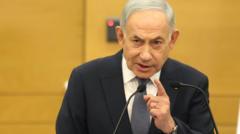
The Prime Minister described the new agreements with the EU as a "process" rather than a prelude to anything else, while Andy Burnham stated that it is inconceivable for the UK to rejoin the EU without a referendum. Several former Prime Ministers have called for not reopening discussions on Brexit, describing their stance as being "stuck in the past." In contrast, Leader of the Opposition Keir Starmer claimed Burnham is overselling the deal and attempting to take Britain back to 2015.
Analysis & context
Analysis & Context
Analytically, the inclusion of a ten-year termination clause in the trade agreements between Britain and the EU reflects an increasing desire from both sides for long-term relationship stability, particularly amidst ongoing geopolitical and economic changes that affect global supply chains.
In a broader context, statements from political leaders such as Keir Starmer and Nigel Farage indicate that this treaty faces significant political challenges within the UK. Opponents view the deal as potentially insufficient or carrying hidden costs that could impact the national budget.
A historical analysis of relations between Britain and the EU shows that any attempt to recalibrate these relationships requires a delicate balance between direct economic benefits, such as cost reductions, and political constraints related to national sovereignty, which explains the debate surrounding reopening Brexit discussions.
Furthermore, plans to link British and European emissions trading systems point towards broader environmental integration, despite challenges imposed by global economic shocks such as the energy price shock resulting from wars in the Middle East, making the implementation of these agreements complex and requiring precise international coordination.