Sourced fact
The News
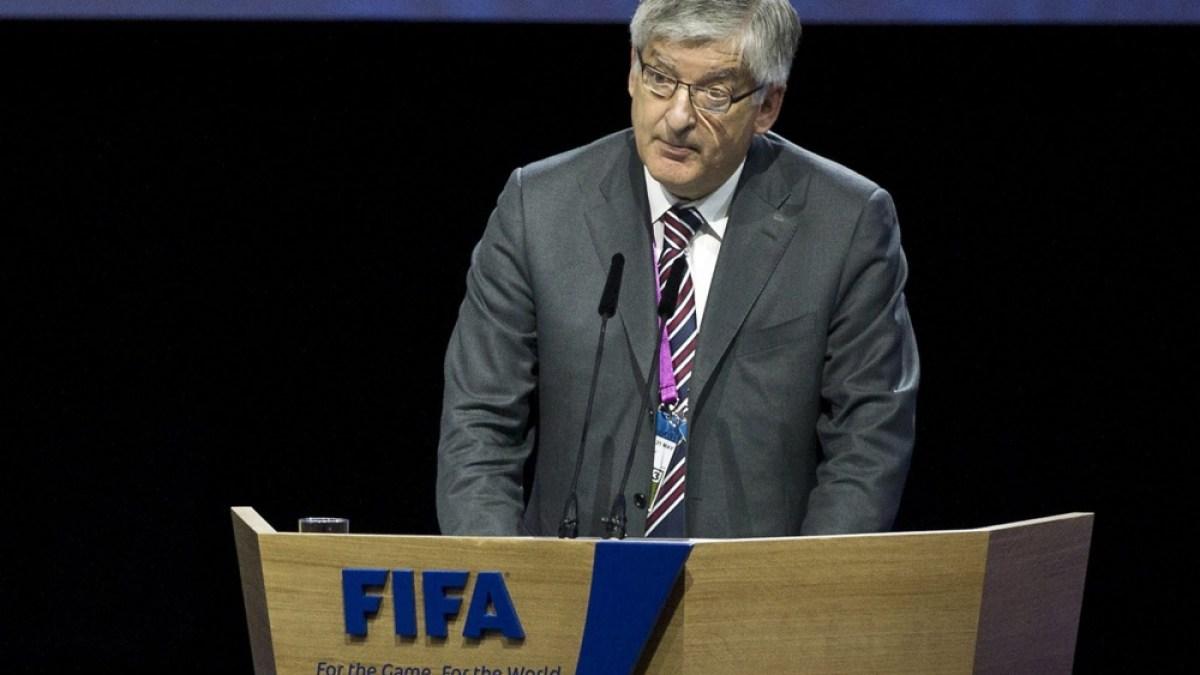
Former Manchester City chairman David Bernstein stated that the club could face "very harsh" penalties after being officially convicted on 114 out of 115 charges of breaching English Premier League financial rules. Although the Premier League has not yet announced an official decision on the final penalty, Bernstein warned that a financial penalty alone would be insufficient, emphasizing the need for stricter measures such as point deductions or relegation from the competition.
In an interview with Radio Times, Bernstein called for the appeal process to be accelerated immediately, arguing that prolonging it over several years would be a disaster not just for the club but for English football as a whole. He confirmed he cannot currently predict the specific penalty but clearly indicated that a "harsh" punishment exceeding financial fines is the only viable option if the club's conviction stands after the appeal phase concludes.
In contrast, Manchester City, owned by the Abu Dhabi Investment Fund, has strongly denied the charges since the beginning. The club's spokesperson stated that the club's position remains unchanged and that the team respected legal procedures for a full eight years. The club plans to file an appeal if the charges are upheld by the independent panel, which began its hearings in September 2024, where the club was accused of submitting inaccurate financial information and failing to cooperate with investigations.
Additionally, musician Noel Gallagher expressed his deep shock at recent developments, stating that news of the club's conviction after it had strongly denied the charges was a painful blow to the club, players, and youth. In line with this, UK Culture Minister Lisa Nandy described the case as "disturbing" for football fans and called for a swift resolution to avoid affecting the future of sport in the country.
Analysis & context
Analysis & Context
Analytically, these developments represent a major turning point in Premier League history, marking the first time a major team has been so clearly and severely convicted following years-long investigations. The case reveals deep tensions between big clubs and governing bodies regarding the interpretation of financial rules and administrative oversight independence within the league.
In a broader context, this was not the first time Manchester City faced financial sanctions; UEFA imposed a two-year European ban on the club in 2020 before the Court of Arbitration for Sport later revoked it. Precedents such as Everton and Nottingham Forest's relegation in the 2023/24 season due to similar financial violations show that the Premier League possesses strict mechanisms to monitor club financial sustainability.
The historical context of the case gains particular significance following the departure of manager Pep Guardiola, who supported the club's stance but warned against lying about it, making the issue extend beyond financial aspects to include institutional trust in league management. Furthermore, the club's ownership by the Abu Dhabi Investment Fund since 2008 has made it a dominant force, winning more than eight domestic titles and the Champions League, raising questions about how this financial support affects competitive integrity.
Finally, reactions from public figures like Noel Gallagher and British ministers indicate that the case may transcend the sporting framework to become a political and social issue affecting sport's reputation in the UK and its relationship with the public and government institutions.