Sourced fact
The News
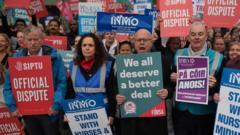
More than 300,000 workers in the Republic of Ireland, including nurses, teachers, and civil servants, went on strike on October 18th. This strike follows ongoing disputes between public sector workers and the Irish government over wages. The expected impacts include school closures and delayed medical appointments. In late September, over 100,000 workers switched to minimum service levels, while teachers in primary and secondary schools began implementing minimum service actions in October.
According to BBC News, Brian O'Brien, an organizer for SIPTU, which represents workers in the health sector and public administration, said that the "goodwill" of workers has been crucial in maintaining public services. However, he noted that the Irish government's failure to establish a basis for formal dialogue left members with no choice but to act collectively. Jack Chambers, the minister responsible for spending, described the strike as "regrettable" and warned of potential economic impacts.
Analysis & context
Analysis & Context
Analytically, this strike reflects growing tensions between public sector workers and the Irish government over wages and living conditions. In a broader context, the crisis reflects the economic situation in Ireland, where workers are facing increasing living costs and inadequate wages.
Historically, Ireland has faced increasing economic challenges since the global financial crisis of 2008, leading to increased pressure on public sector workers. This strike also reflects the growing trend of worker protests in Europe, where workers in many countries face similar issues with wages and living conditions.
Politically, the Irish Prime Minister faces increasing pressure to negotiate with labor unions and resolve disputes over wages. It remains unclear how the Irish parliament will handle this issue, but it could affect public trust in the government and exacerbate social tensions.