Sourced fact
The News
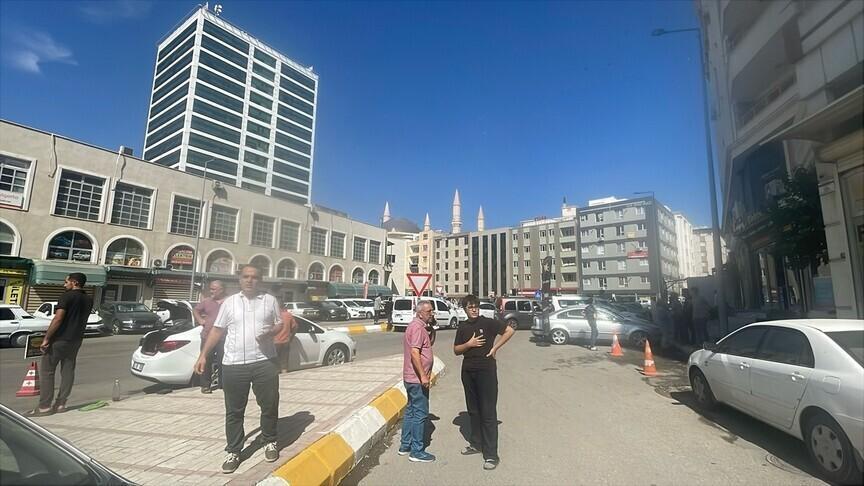
A 5.4-magnitude earthquake struck the southern region of Şanlıurfa Province in southeastern Turkey, specifically in the Karakuşuro area, at 10:40 AM local time (7:40 AM Greenwich Mean Time). According to information published by the Turkish Disaster and Emergency Management Authority (AFAD) on its official website, the epicenter was located within the Karakuşuro region itself.
The depth of the seismic shock that hit the area was 7.39 kilometers below the Earth's surface, and the tremor was felt in surrounding provinces. Şanlıurfa Governor Hasan Selçuk informed Anadolu Agency of the on-the-ground situation following the event.
Selçuk indicated that no reports of casualties or building collapses had been recorded in the city based on initial assessments conducted by rapid response teams. The governor also confirmed that specialized teams continue inspection and survey operations in the area to ensure the safety of infrastructure and surrounding buildings.
Analysis & context
Analysis & Context
From an analytical perspective, this earthquake is part of the recurring seismic activity experienced by the Anatolia and Middle East regions, where Turkey lies on active tectonic plate boundaries making it prone to earthquakes. Although a magnitude of 5.4 is considered a moderate tremor that may cause fear among residents and minor damage to poorly constructed buildings, the absence of reported injuries so far suggests either the effectiveness of early warning systems or the quality of construction in the targeted area.
In a broader context, the Turkish Disaster and Emergency Management Authority (AFAD) plays a pivotal role in coordinating rapid search and rescue operations to provide immediate support following any natural disaster. The inspection operations mentioned by the governor continue to ensure that no hidden damages may worsen over time—a routine yet essential measure in active seismic zones like southeastern Turkey.
The speed with which official sources such as Anadolu Agency and AFAD disseminate information highlights the importance of transparency in crisis management and calming public opinion. Additionally, the fact that the tremor was felt in neighboring provinces confirms the nature of earthquakes, which do not respect administrative borders, thereby necessitating regional cooperation should additional assistance or continuous seismic monitoring be required in the region.