Sourced fact
The News
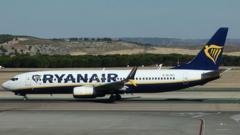
Ryanair is considering a temporary freeze on staff salaries while confirming a significant increase in ticket prices for the upcoming summer, resulting from a sharp rise in fuel costs following the war between Israel, the United States, and Iran. The company's executive management plans to raise prices by several percentage points to cover the escalating invoice, while the airline intends to slow down its new hiring pace amidst rising operational costs.
Michael O'Leary, Ryanair's Chief Executive Officer, clarified that the fuel bill is expected to rise by one billion euros in the short term, necessitating a price increase to cover this substantial shortfall. He noted that fuel prices will remain high until 2027 unless the conflict is resolved quickly, estimating that the required increase may exceed the previously expected twenty percent.
O'Leary stated that the company will increasingly rely on artificial intelligence in internal offices and support roles to alleviate financial pressure, while reducing the number of winter flights with expectations that this decline will continue until summer 2027. These changes stem from reduced supplies of refined products coming from the Arabian Gulf due to the war, which has intensified competition for fuel produced in other locations.
On his part, Oliver Richardson, a national officer of Unite, the union representing Ryanair employees, rejected any proposals regarding salary freezes, confirming that the union has not been notified of such plans. Richardson emphasized that the current salary agreement extends until 2027 and is not tied to company performance, urging the company to act in good faith by adhering to the signed agreement.
Additionally, the company reported that its pre-tax profits fell by 16% over the past six months to €2.4 billion, primarily due to a 15% spike in fuel costs. Management hopes this economic measure will stabilize prices despite the significant challenges facing the global aviation industry.
Analysis & context
Analysis & Context
From an analytical perspective, Ryanair's decision to freeze salaries and raise ticket prices reflects the difficult reality facing the entire global aviation industry, where geopolitical conflicts have become a decisive factor in determining fuel prices and operational costs. Data indicates that the war between Israel, the United States, and Iran has fundamentally altered the oil supply map, leading to a scarcity of refined products from the Gulf and a rise in global prices.
In a broader context, the company's expectation to raise prices by 20% to cover fuel costs is not merely a fleeting economic decision but an indicator of a structural shift in the aviation sector that could persist for decades. O'Leary confirmed that short-haul airline capacity will remain limited until early 2030, meaning passengers will bear an additional burden for extended periods due to supply constraints and rising costs.
The company's adoption of artificial intelligence technologies in internal offices as a cost-reduction measure follows a trend adopted by many global airlines to cope with increasing market pressures. This technological shift aims to offset financial losses resulting from high fuel prices and to reduce the number of seasonal flights.
Finally, the labor unions' reaction to salary freeze plans highlights potential tensions between corporate management and employees amidst global economic crises. The union's statements regarding the agreement not being linked to company performance have raised questions about the future of industrial relations in the European aviation sector, especially as current salary contracts approach expiration.