Sourced fact
The News
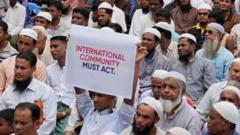
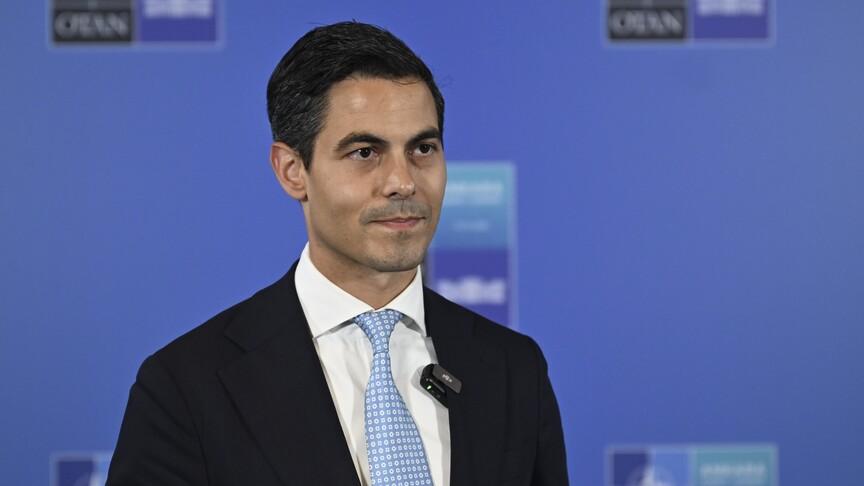
Dutch Prime Minister Robert Chretien condemned attempts to undermine the International Criminal Court (ICC) on Thursday, warning that such actions threaten the broader international legal order that affects everyone. In a speech delivered at the United Nations General Assembly in New York, Chretien stated that the efforts seen against the court—whose headquarters are located in his country and city—weaken the entire international legal framework.
The Dutch Prime Minister emphasized that the International Criminal Court was established to combat impunity and called on the international community to defend the court and other institutions supporting international law. Chretien said there is only one possible response: "Stand up for the International Criminal Court," and all other institutions protecting the international legal system.
He also pointed out that the international legal system faces increasing pressure, reminding of human rights violations and attacks on institutions created to protect peoples. Chretien highlighted human suffering in Gaza and Sudan among other conflicts as examples of these ongoing violations and threats to the global order.
Chretien said it is tempting to respond defensively when major powers pursue their own interests only, calling on countries instead to seek their common interests through international cooperation. He also urged medium-sized powers to take the lead in strengthening cooperation, emphasizing that African, Asian, and Latin American countries must play a greater role in global decision-making.
Analysis & context
Analysis & Context
From an analytical perspective, Dutch Prime Minister Robert Chretien's stance represents growing European and global concern about the independence of international judiciary bodies. Defending the International Criminal Court is not merely a technical legal issue but an effort to preserve the legitimacy of the global system aimed at preventing major international crimes such as genocide and crimes against humanity.
In the broader context, international legal institutions face serious challenges from major powers that sometimes prefer bilateral or unilateral policies ignoring multilateral judicial mechanisms. This tension between narrow national interests and the global legal system creates a fertile environment for human rights violations without effective accountability, necessitating a more active role from medium-sized powers as Chretien advocated.
The speech also sheds light on cross-border issues such as artificial intelligence, raising the question of whether decisions on this sensitive technology should be left to a few companies and countries or handled collectively through the United Nations. This aspect reflects a shift in the nature of global threats requiring comprehensive international cooperation that transcends traditional geographical and political borders.
Finally, referring to human suffering in Gaza and Sudan highlights how violations of international law do not occur in a vacuum but have direct and tragic humanitarian consequences on innocent civilians. This link between abstract legal principles and harsh human reality is what makes defending these institutions necessary rather than optional in contemporary international policy agendas.