Sourced fact
The News
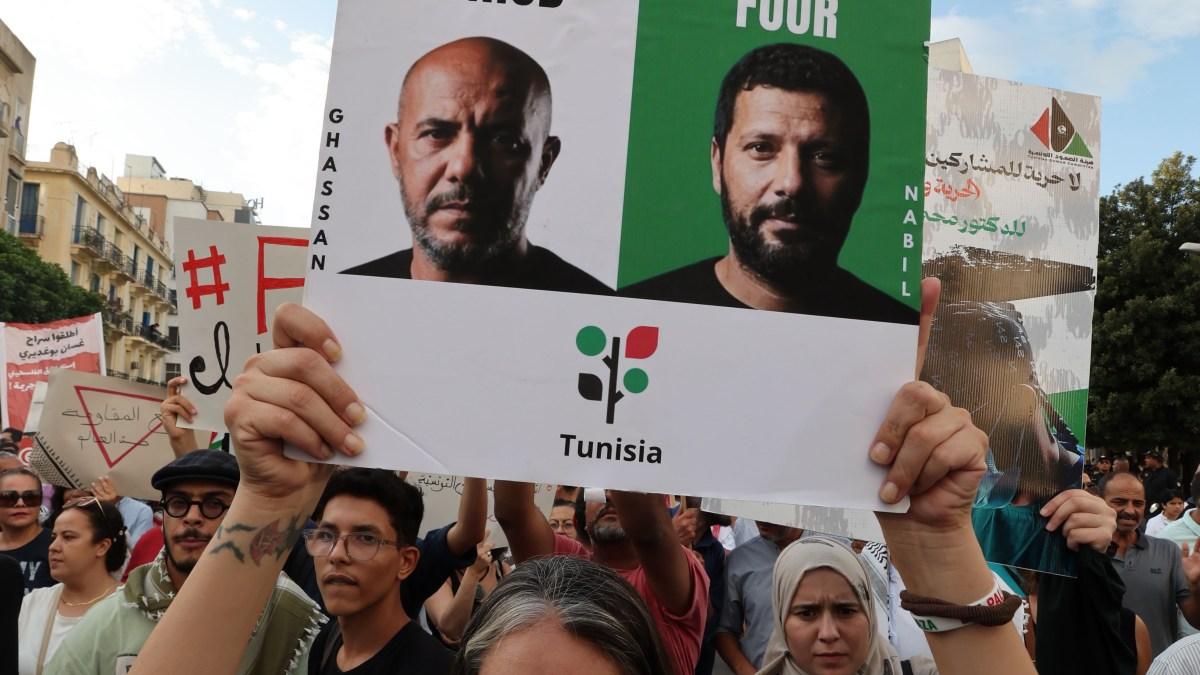
A court of appeal in Tunis rejected the request for the release of four Tunisian activists, extending their pretrial detention by another four months while financial investigations continue into a case involving fundraising for the International Solidarity Ship. This decision followed judges' rejection of the defense lawyers' appeal, which described keeping the defendants in prison during investigations as an unjustified exception, especially since the presiding judge had conducted no substantive investigations for six months other than hearing activists' testimonies.
The humanitarian situation of the accused and their families has become a central focus of the current crisis. Activist Walid (41 years old) began his hunger strike on August 16 in protest against continued detention before being transferred to a hospital due to deteriorating health after 38 days of fasting. Walid reports dizziness and difficulty controlling his left leg; he also stated that fellow inmates hear him calling out for his youngest daughter at night, while his grandchildren suffer behavioral changes and sleep disturbances due to separation from their father.
Families are deeply concerned about the health of some activists. The father of activist Gassan Hengiri confirmed that his son remains conscious but extremely exhausted after an ongoing hunger strike since September 9, with authorities refusing comprehensive medical examinations for head injuries sustained inside an Israeli prison. Reports indicate other health issues affecting Gassan, including living with a single kidney, back pain, and a skin rash preventing sleep; his request to see a dermatologist was denied by the prison doctor, who deemed the condition not severe enough.
Defense lawyers note that authorities frame the case as purely financial regarding fund usage rather than political activities or support for Palestine. However, they argue that charges against activists include generic accusations such as disturbing public order and damaging reputation without sufficient evidence. Fourteen additional people were arrested following a protest on September 19 demanding the release of the four activists, including a minor aged 17, raising questions about whether procedures align with child protection laws prohibiting preventive detention of minors whenever possible.
Analysis & context
Analysis & Context
Analytically, Tunisian authorities focus on describing the case as a financial investigation into fundraising management for the International Solidarity Ship rather than linking it to political activities or support for Palestine. The government asserts judicial independence and denies accusations of using courts to suppress opponents, while defense lawyers argue that continued detention without conviction reflects bias in handling cases with an international political dimension.
In the broader context, the file sparks debate over using legal procedures against activists who participated in international campaigns to deliver aid to Gaza and challenge the Israeli blockade. Lawyers suggest that prolonged detention without indictment may indicate bias in addressing politically sensitive international issues.
The case's impact has extended to others arrested after the September 19 protest, facing charges related to disturbing public order and damaging public reputation. Tunisian child protection law mandates avoiding preventive detention of children, raising questions about fair application of laws.
Regarding family victims, Gassan Hengiri's condition worsens with his ongoing hunger strike since September 9 and deteriorating health due to head injuries and chronic conditions such as having only one kidney. Despite family requests for medical examinations, none have been conducted so far, intensifying the humanitarian crisis surrounding them.