Sourced fact
The News
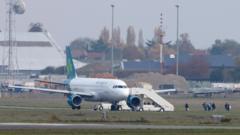
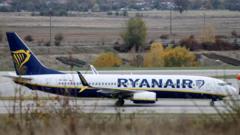
European airlines are facing a new wave of repeated kidnapping or bombing threats, where these attacks targeted multiple flights to and from cities such as Lisbon, Rome, Brussels, and Sofia on Friday. This situation forced authorities in several countries to dispatch Hungarian fighter jets to protect three aircraft that were placed on high alert after receiving unfounded security warnings. No explosive materials or malicious electronic devices have been found on any of the aircraft so far, despite ongoing comprehensive inspections.
In a parallel development, several prominent media institutions were forced to evacuate their buildings after receiving security warnings similar to those directed at civil aviation. The evacuation included the headquarters of Irish radio station RTÉ and the offices of the Irish Independent newspaper, as well as NewstalkFM and TodayFM stations in Dublin, plus the British Sky station, which received a security threat just a few hours after the RTÉ building was evacuated. Sky confirmed its compliance with security protocols and reporting to relevant authorities while prioritizing the safety of its staff during this critical period.
The Irish Police (Garda Síochána) stated it is aware of the threats directed against media institutions in Ireland and Europe, while the Irish government warned that these attacks could be part of a coordinated campaign aimed at creating chaos. Irish Prime Minister Michael Martin described the situation as "concerning" and confirmed that his government's priority is ensuring the safety of the Irish public, although the identity of those responsible for these threats has not yet been determined.
These disturbances follow a series of previous attacks that affected nearly 30 aircraft and several airports in Europe over a few days, prompting the UK to describe them as "malicious nuisances." Although a group of Russian extremists called "Male State," mentioned in some threats targeting Italian airports, denied any connection to these false warnings, authorities are currently ruling out their involvement in this campaign.
Analysis & context
Analysis & Context
From an analytical perspective, the recurrence of these threats over a short period suggests a systematic attempt to create public panic and disrupt air transport and communication infrastructure in Europe. Although authorities confirm that no explosive materials have been found so far, the psychological and economic impact of these threats could be very significant on the European aviation and tourism sectors.
In a broader context, it is observed that cyberattacks and malicious fraud have become common tools used by unidentified entities to cause chaos without bearing direct responsibility. A radical Russian group called "Male State" attempted to link itself to the threats but was completely refuted by officials, adding another layer of ambiguity around the true identity of the perpetrators.
This situation reflects increasing security challenges facing Europe in the absence of clear information about the responsible party, with possibilities ranging from isolated individuals to organized groups aiming to harm the European economy. Dealing with such threats requires broader coordination among European countries and intelligence agencies to ensure citizen safety and stabilize critical systems.
Finally, the response by European governments through immediate evacuations and activation of emergency plans demonstrates the seriousness of the situation despite the lack of concrete evidence of an actual attack. The greatest challenge remains how to identify the perpetrators and prevent repetition of these attacks in the near future.