Sourced fact
The News
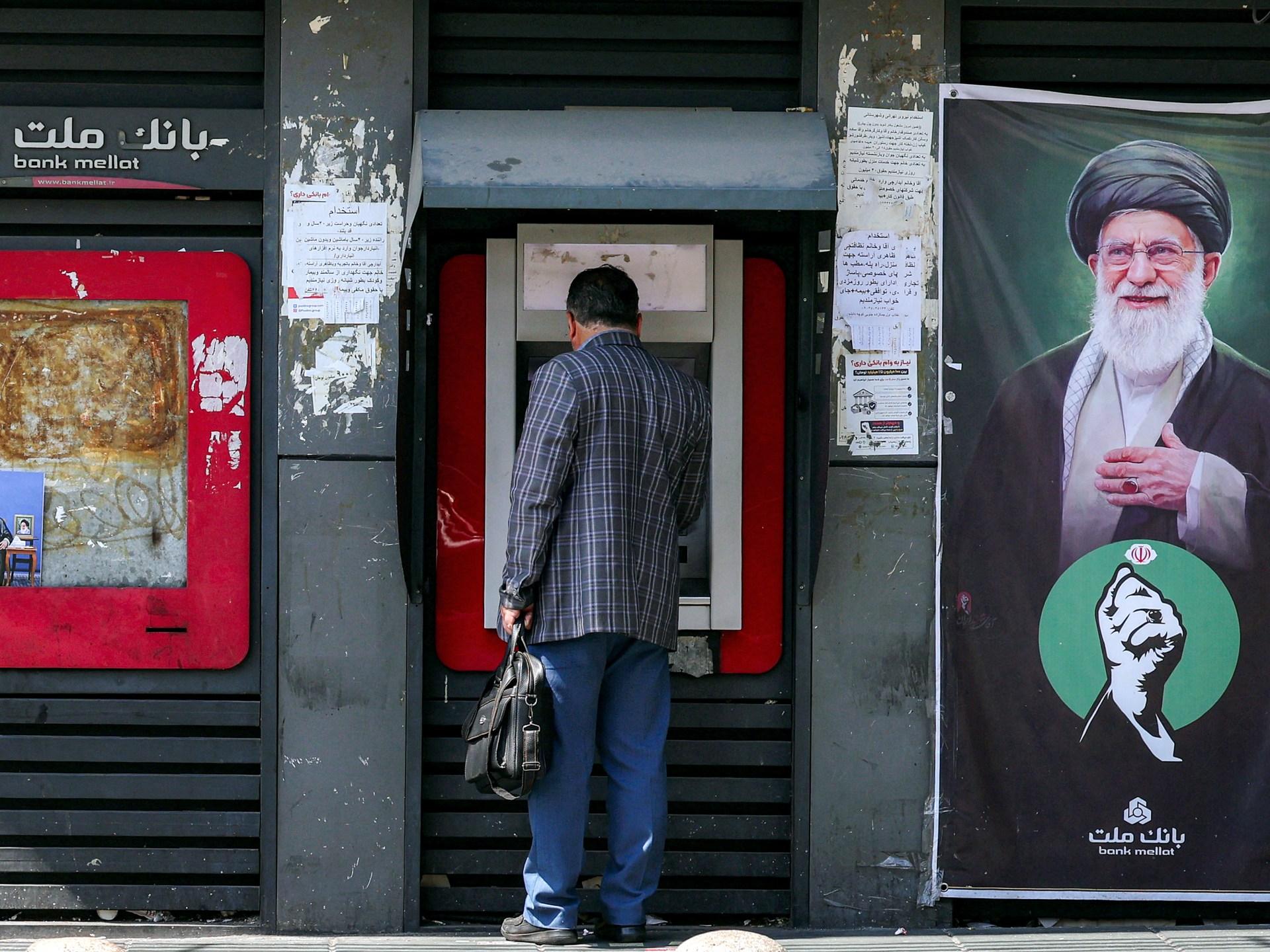
The Banking Regulation and Supervision Authority (BDDK) in Turkey has decided to revoke the operating license of the branch of the Iranian Bank Mellat located in Istanbul. This decision was officially announced via the official gazette on Saturday, with the document stating the cancellation of the bank's main branch license in Tehran that is present in Turkey.
The regulatory body stated that the revocation decision was taken based on a clause in Turkish banking law that allows for license revocation if the continued operation of the bank poses a risk to depositors' rights or to the security and stability of the financial system as a whole. The Turkish authorities did not specify particular reasons related to the United States or operational details in their notice, but instead relied on local legal standards regarding financial risks.
It is worth noting that Bank Mellat has been subject to Western sanctions for years due to accusations against Iran's attempt to develop nuclear weapons under the guise of its civilian nuclear program. Although some of these sanctions were lifted as part of the historic 2015 agreement between Tehran and global powers, the United States withdrew from the deal in May 2018 and imposed new economic sanctions on the country.
The bank also faced additional pressure after being subjected to US and international sanctions in 2019 following its inclusion on a list of entities linked to the Iranian Revolutionary Guard Corps. Although this background was not mentioned in the direct Turkish notice, the global context of sanctions remains an influential factor in the international banking environment where foreign branches such as Mellat's branch in Istanbul operate.
Analysis & context
Analysis & Context
From an analytical perspective, the license revocation decision represents a purely administrative step taken by Turkish authorities to protect the stability of the domestic financial system without necessarily publicly acknowledging external interventions or direct US sanctions. This approach reflects Turkey's policy in dealing with foreign financial institutions that may pose a potential threat to liquidity or compliance with international standards, especially amidst increasing geopolitical tensions in the region.
In the broader context, the issue of sanctions on Iran remains a sensitive topic that combines the economic and security interests of major and medium-sized powers. While some countries seek to isolate Iran economically through multilateral or unilateral sanctions, other countries like Turkey attempt to balance maintaining their trade relations with Tehran with ensuring compliance with international standards that may impose heavy costs or legal risks on them.
This incident also highlights the importance of the supervisory role of local authorities in host countries of foreign banks, where these bodies have the authority to assess financial risks for any institution regardless of its political or international background. The successive sanctions on Bank Mellat and other entities linked to the Revolutionary Guard Corps have changed the international banking landscape, prompting many banks to re-evaluate their policies toward Iranian entities.
Finally, the US decision to impose new sanctions on Turkish banks linked to Iran earlier this month indicates an escalation in economic tensions between Washington and Ankara. This escalation may push Turkey to take stricter decisions regarding global financial compliance, or it may drive it to seek alternatives that allow it to maintain its commercial interests with Iran without facing direct US sanctions.