Sourced fact
The News
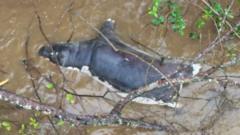
Zambian authorities have warned citizens against consuming wild animal meat following the deaths of dozens of animals, including elephants and sheep, due to an outbreak of anthrax in the Moniamaadi River area. The Disaster Management Agency reported that 12 people contracted the infection after eating meat from dead animals in the region, while laboratory investigations are ongoing to determine the full geographical scope of the epidemic.
Norman Chipakopaka, spokesperson for the National Unit for Disaster and Natural Conflict Management, stated that deaths among wild animals such as elephants, sheep, cattle, and antelopes have occurred since July in the Hunting Management area of Muchinga Province. He noted that the carcasses were consumed by local residents who rely on them as a food source. Data confirms that the disease is caused by a bacterium called Bacillus anthracis, which lives in soil for years before entering an animal through wounds or inhalation, potentially leading to sudden death.
Reports indicate that anthrax is endemic in Zambia despite the rarity of human fatalities; the country recorded an unprecedented outbreak in 2023 that killed four people and spread to nine out of ten provinces. Another major outbreak occurred in 2011, which recorded over 500 cases and five deaths after people consumed infected sheep meat. No human fatalities have been recorded so far in this new outbreak, as victims are receiving treatment.
Officials have called for a hunting ban in the affected area until the extent of the disease and associated risks are determined, reminding the public not to consume, sell, distribute, or handle meat from animals that died suddenly or are suspected of having anthrax. Authorities also urged the general public to report any similar cases and avoid handling wild animals to reduce the risk of infection transmission from animals to humans via contaminated products.
Analysis & context
Analysis & Context
From an analytical perspective, anthrax remains an endemic disease in Zambia despite its rarity in causing human deaths; however, environmental and social conditions may hinder complete containment of outbreaks. Historical data indicates that this disease has previously caused major health crises, with the country recording an unprecedented outbreak in 2023 that killed four people and spread to nine out of ten provinces.
In a broader context, reliance on wild meat serves as a source of income and food for many local communities in rural areas, making them vulnerable to health risks when animal disease outbreaks occur. Other major outbreaks have been recorded previously, such as the one in 2011, which included over 500 cases and resulted in five deaths due to the consumption of infected hippo meat.
Understanding the life cycle of the anthrax-causing bacterium is crucial for prevention, as these bacteria live in soil as spores for long periods before entering an animal's body through wounds or inhalation. Although the disease primarily affects grazing livestock and causes their sudden death, it can be transmitted to humans through handling contaminated animal products or consuming undercooked meat.
This incident once again underscores the importance of balancing local populations' economic needs with public health safety, especially in light of climate challenges that may increase the likelihood of animal disease outbreaks.