Sourced fact
The News
UK prosecutors have brought the first-ever charges against a man named Vincent Brown for his alleged involvement in the genocide that occurred in Rwanda in 1994. The 65-year-old doctor, formerly known as Vincent Bagarinyi, was arrested on Monday for allegedly aiding and abetting genocide and seven other crimes against humanity, according to local authorities and prosecutors.
Frank Ferguson, head of the Counter-Terrorism Department at the Crown Prosecution Service, clarified that the charges relate to allegations that Dr. Brown participated in the genocide against Tutsis in Rwanda in 1994, where he is accused of organizing and inciting killings and acts of genocide carried out by others. The responsible agency added that this marks the first time charges related to the genocide against Tutsis in Rwanda have been filed in the United Kingdom.
Brown was first arrested in 2006, but a British court refused to extradite him to Rwanda along with four others in 2017, prompting London's Metropolitan Police to reopen the case since 2019 at the request of the Rwandan government. Brown, originally from Kigali, lives in London where he previously worked for a charity that assisted refugee nurses and midwives; it is believed he entered the country as an asylum seeker in 1998, according to former Rwandan Justice Minister Tharisse Karugarama.
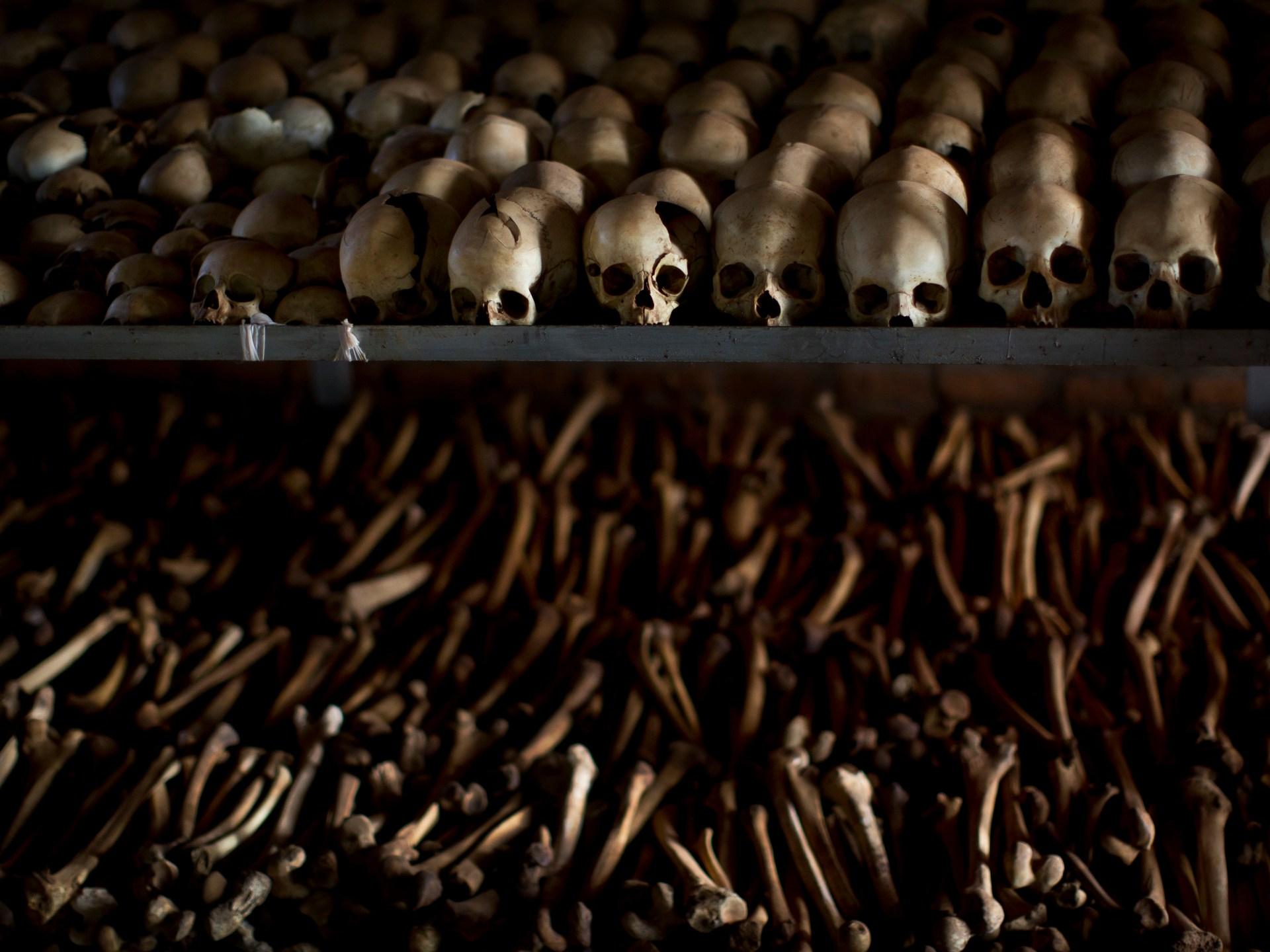
Brown will appear at Westminster Magistrates' Court today before the prosecutor, while police confirmed they are continuing their investigations into several other suspects from Rwanda living in Britain. Helen Flanagan, head of Counter-Terrorism Police, stated that this case demonstrates that the United Kingdom is not a safe haven for individuals suspected of committing international crimes. Sources recall that the Rwandan genocide saw approximately 800,000 people killed, most of them Tutsi, during 100 days of massacres.
Analysis & context
Analysis & Context
From an analytical perspective, this action represents a fundamental shift in British policy regarding international crimes, where the role of the British judiciary moves from merely refusing extradition to pursuing suspects directly within UK borders. This decision comes in a global context witnessing increased international efforts to prosecute perpetrators of genocide and crimes against humanity outside traditional courts in concerned countries, especially when international extradition mechanisms fail.
In a broader context, statistics on the Rwandan genocide indicate that approximately 800,000 people were killed, most from the Tutsi ethnic group, during organized killings over 100 days in 1994. This crime remains one of the bloodiest organized crimes in modern history, making any attempt to hold accountable its perpetrators immensely significant symbolically and legally on a global level.
This file also highlights the issue of refugees and asylum seekers who sometimes carry a past linked to war crimes or genocide, revealing the gap between legal protections granted to refugees and international criminal accountability. Statements by British officials indicate that the United Kingdom does not welcome international crime perpetrators on its soil, reflecting a change in political and legal discourse toward international crime issues.
Finally, international movement continues toward prosecuting other Rwandan suspects living in Britain, indicating that this case is not isolated but part of a broader strategy to hold accountable perpetrators of international crimes regardless of their nationality or current place of residence.