Sourced fact
The News
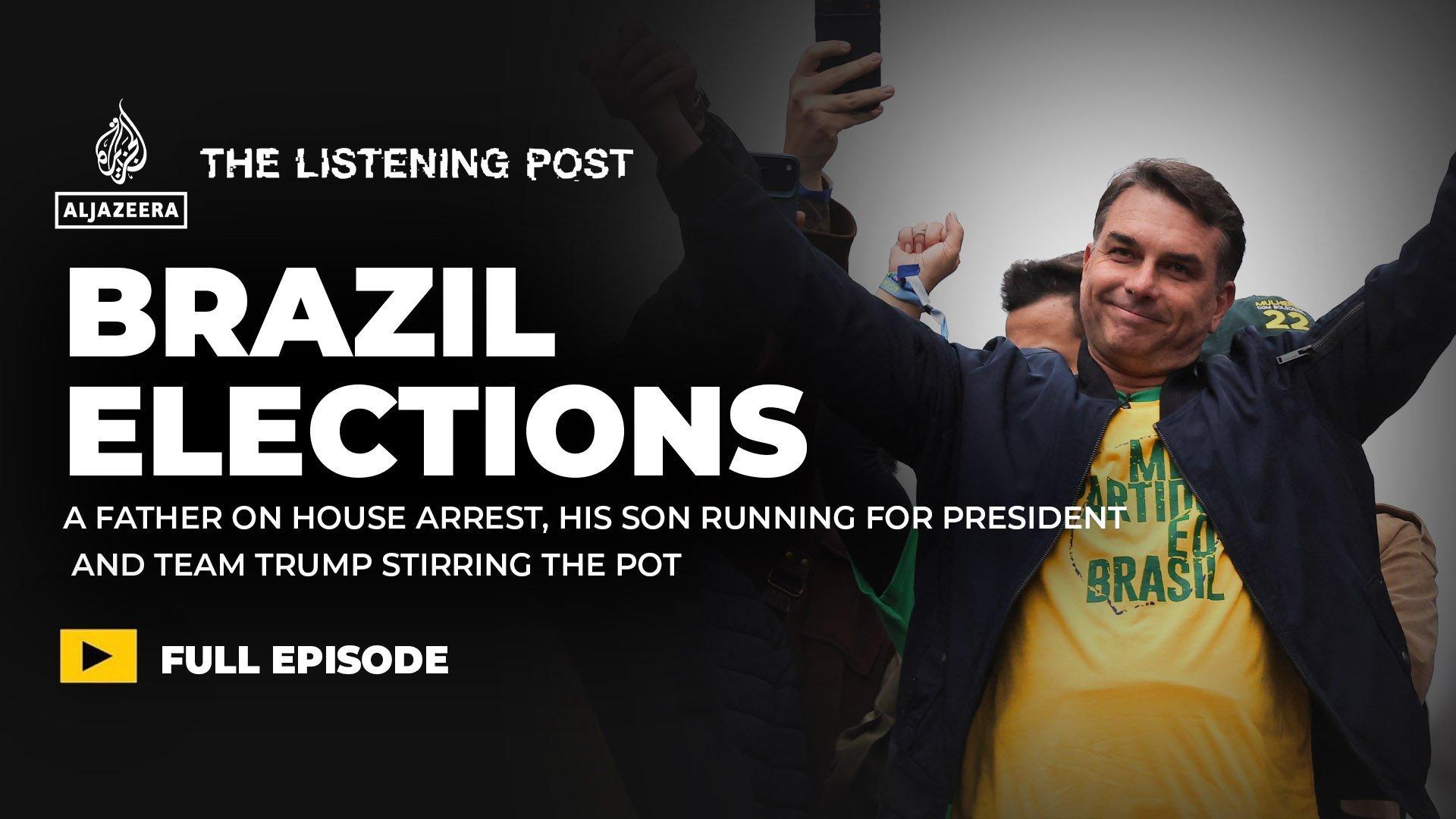
Reports indicate that the upcoming Brazilian elections will feature the presence of Flavio Bolsonaro, son of former President Jair Bolsonaro, who presents himself as a moderate option compared to his father. However, media coverage is heavily concentrated around a massive financial corruption scandal, considered the largest bank fraud in the country's history.
Analysts highlight that Brazilian voters have become accustomed to scandals involving politicians, leading media coverage to portray all parties equally as corrupt without detailed distinction. In a parallel context, U.S. President Donald Trump faces criticism after his decision to ban three news channels from entering the White House, prompting journalists to organize media segments in response.
Additionally, a legal move to lift the president's ban on these media outlets has intensified tensions between the executive branch and the press in the United States. In Europe, Spanish media have paid attention to a new Nazi movement called "National Nucleus," which gained popularity online thanks to its engaging and controversial content.
Reports suggest that media interest in this marginal group has created an exaggerated image of its size and real impact on Spanish society. A correspondent from the "Listening" program traveled to Madrid to meet members of this movement and assess the reality behind the large media spectacle.
Analysis & context
Analysis & Context
From an analytical perspective, Flavio Bolsonaro entering the political arena represents a significant challenge to liberal currents in Brazil, as he attempts to leverage his father's popularity while presenting a different image of himself. This tactic reflects a common strategy in Brazilian politics where candidates seek to refresh their personal image without changing the fundamental principles they previously promoted.
In a broader context, corruption scandals in Brazil are a recurring phenomenon that affects public trust in democratic institutions, making media coverage that ignores differences between candidates appear natural to many. This pattern of coverage may enhance voters' feelings of frustration and negatively affect electoral participation or steer it toward unconventional options.
Regarding the new Nazi movement in Spain, it serves as a warning about how social media can be exploited to amplify the influence of small and extreme groups. This phenomenon highlights the need for greater media awareness to distinguish reality from the media spectacle that may exaggerate the size and impact of these marginal groups.
Finally, decisions regarding press freedom and access to information in the United States and the world remain a persistent point of contention between governments and judicial authorities on one hand, and media organizations and journalists on the other. These conflicts affect the quality of media coverage and the public's ability to obtain accurate and objective information about current events.