Sourced fact
The News
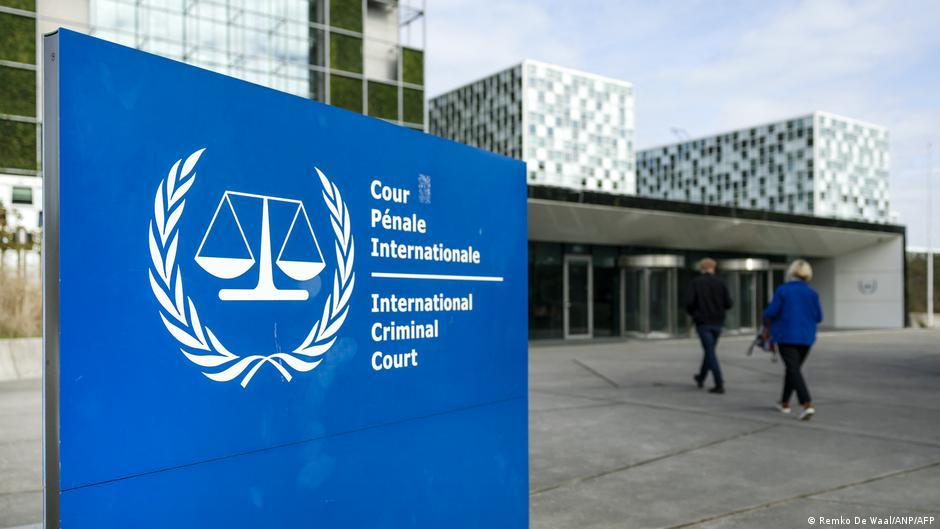
The International Criminal Court (ICC) today convicted a former leader of rebels in the Central African Republic of four counts of crimes against humanity while he was in charge of a detention center in 2013. The judges found that Mahamat Said Abdoulaye, aged 56, oversaw beatings and ill-treatment during the intensification of sectarian violence in the country.
Said faced three charges of war crimes but was acquitted of them, while he pleaded guilty only to the fourth charge and did not admit to any of the charges brought against him during his trial, which covered acts committed between April and August 2013. A sentence of life imprisonment or less will be announced later according to the ICC report.
Said was a high-ranking commander in the Muslim Séléka rebel group that overthrew President François Bozizé in 2013 amid civil war, and under his supervision, a central office was established to suppress lawlessness in the capital Bangui. Prosecutors alleged that prisoners suspected of supporting Bozizé were subjected to various forms of torture, including beatings and physical mutilation, as stated by the ICC.
The court noted that detainees were deprived of food or water, with some drinking their own urine out of desperation, while a cell called "the gap" was under Said's direct supervision according to the judge. The judges found that Said oversaw these abuses and personally witnessed the beating of at least one prisoner during his trial, as reported in the ICC text.
Analysis & context
Analysis & Context
From an analytical perspective, this verdict represents a historic step, as it is the first time a member of the Séléka militia has been prosecuted before the International Criminal Court, which was established in The Hague. This trial constitutes a significant legal precedent in the context of transitional justice in Central Africa following the end of the long civil war.
In the broader context, the Said case demonstrates how international courts deal with crimes committed by all parties in a conflict, not just by the government or regular forces. This case highlights the importance of the ICC's role in pursuing perpetrators of the most serious crimes against humanity regardless of their political or military affiliation.
Moreover, Said's conviction sheds light on the grave violations that occurred in detention centers during conflict periods, where prison conditions were extremely harsh and included systematic deprivation of basic needs. This case serves as a model for how individual abuses can be transformed into international legal issues suitable for prosecution.
Finally, this verdict shows that the international judicial system is capable of prosecuting militia leaders who were part of the effective government during periods of political instability.