Sourced fact
The News
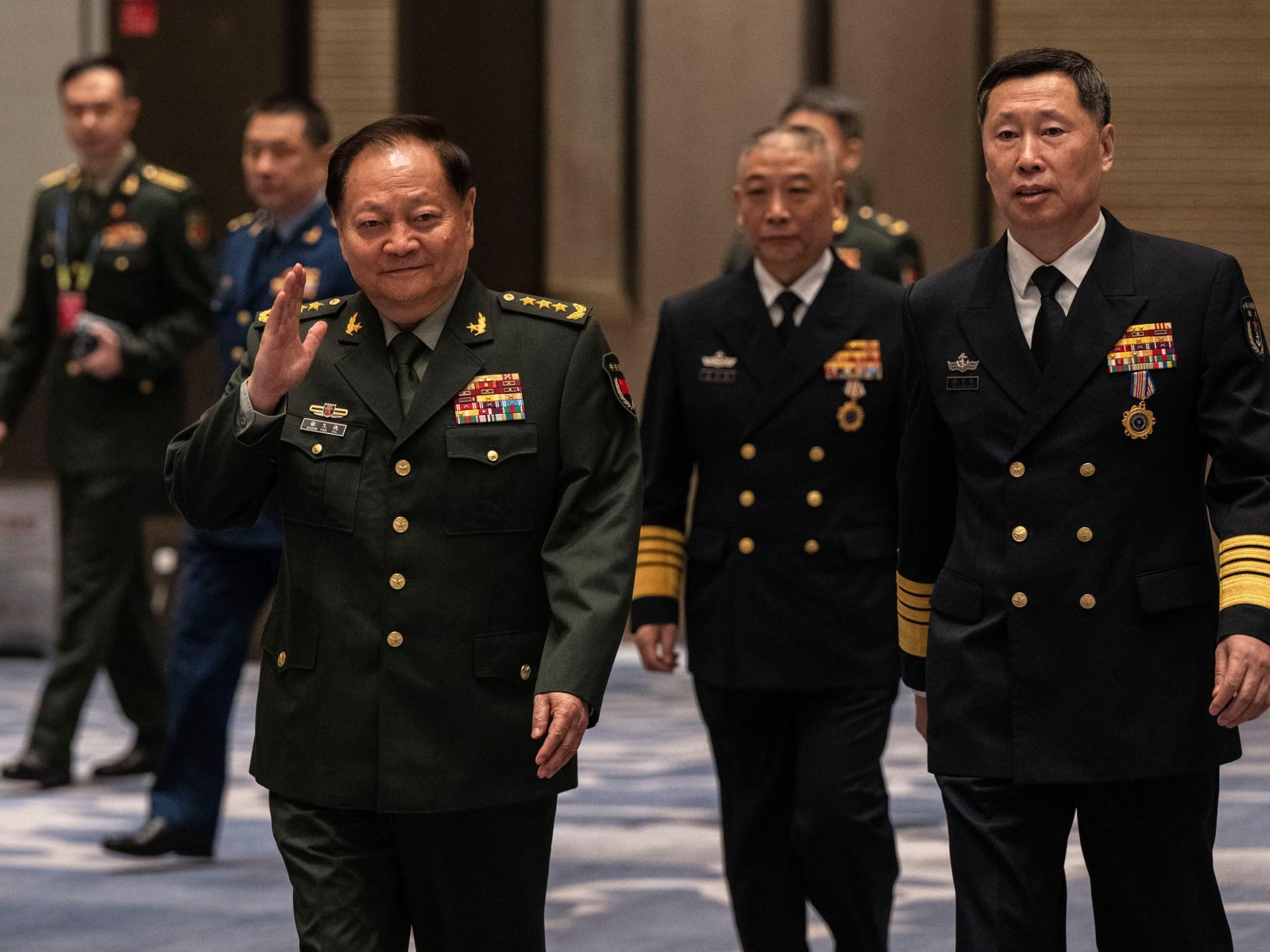
China has officially announced the expulsion of two senior military leaders from the Communist Party of China, namely Zhang Yushia and Liu Chenli, on charges related to corruption, improper conduct, and political loyalty. According to the official Xinhua Agency on Monday, these two leaders "seriously violated political discipline and political rules," and were accused of involvement in forming pressure groups and internal factions, as well as disloyalty and lack of integrity toward the party.
It is noted that investigations into both men's cases began last January, and they were removed from their military positions by late August. Despite the announcement of these measures, no specific details have been provided regarding the alleged crimes or the evidence supporting the accusations; the report was limited to confirming the nature of the political and structural violations.
Zhang Yushia is considered one of President Xi Jinping's closest allies in the military, having served as Vice Chairman of the Central Military Commission, which is the highest command body in the country. Meanwhile, Liu Chenli was a member of the same commission and head of the Joint Staff Department, making their removals a significant event in the Chinese military landscape.
This step comes as part of the widespread anti-corruption campaign launched by President Xi, which has included the expulsion of thousands of officials and opened investigations into millions of employees within the Chinese bureaucracy. This campaign ranks among the largest anti-corruption movements in modern Chinese history and was preceded by the removal of prominent political opponents from high-ranking positions.
Analysis & context
Analysis & Context
From an analytical perspective, these developments indicate a significant shift in targeting the military institution within the anti-corruption wave, as the armed forces have become an increasingly frequent target of investigations and administrative actions. This has led to reducing the number of active members in the Central Military Commission from seven to just two: President Xi Jinping, who serves as Chairman of the commission, and one other remaining senior leader.
In a broader context, China's anti-corruption campaign represents a central strategy to strengthen party control over security and military apparatuses. These measures demonstrate the Chinese leadership's continued use of political purification tools to maintain internal stability and prevent any challenges that could threaten the Communist Party's dominance over power.
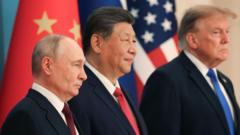
Moreover, the timing of announcing these expulsions before U.S. President Donald Trump's visit to Washington and ahead of a crucial meeting of the Communist Party on internal administration reflects precise political planning in China. The Chinese leadership utilized this timing to reinforce its internal position and demonstrate strict commitment to fighting corruption before major international forums.
This event also highlights the ongoing tension between personal loyalty to President Xi and the interests of traditional military factions. While Zhang Yushia is viewed as a close ally, his expulsion signals that loyalty to the party takes precedence over personal or institutional ties within the military apparatus.