Sourced fact
The News
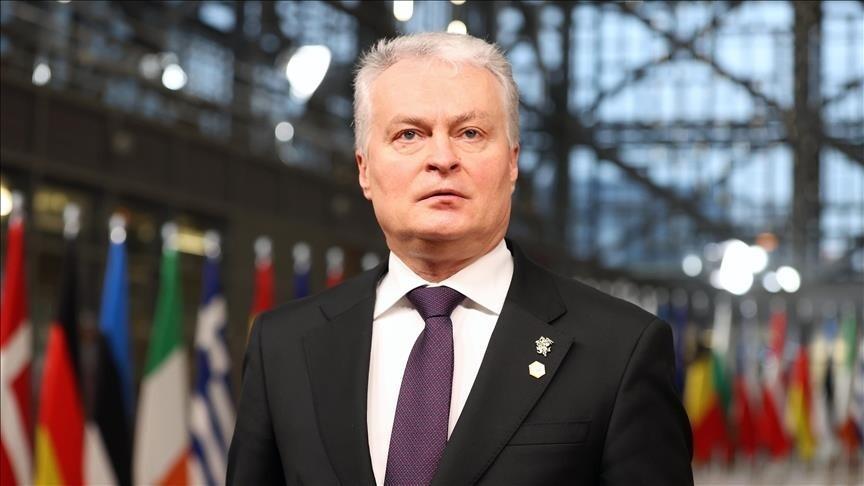
Lithuanian President Gitanas Nausėda announced on Tuesday the arrival of a new batch of U.S. forces in the country, emphasizing that this military presence is essential for regional deterrence and collective defense policies. Speaking via the social media platform X, President Nausėda confirmed that the new contingent of American soldiers has already begun its journey to Lithuania.
He extended his gratitude to U.S. President Donald Trump and his administration for this decision, describing it as an initiative of significance that extends beyond Lithuania’s borders to encompass the broader security of the region. Adding further context to his remarks, President Nausėda stated that the presence of American troops in Lithuania constitutes an integral part of the nation’s deterrence and joint defense efforts.
Earlier in June, over 1,000 U.S. soldiers stationed in Lithuania began departing the country upon the completion of their scheduled military rotations. Although Lithuanian officials had anticipated the arrival of a new unit to replace them, the timing and scale of this deployment remained uncertain for some time due to Washington’s review of its military footprint in Europe.
Analysis & context
Analysis & Context
From an analytical perspective, this announcement represents a reinforcement of NATO’s stance against potential security threats in Eastern Europe, particularly amid recent geopolitical shifts that have altered major power calculations. President Nausėda’s insistence on the indispensability of the U.S. presence reflects ongoing concerns about external threats and underscores Lithuania’s inability to fully rely on its own resources when confronting escalating security challenges.
In a broader context, this move illustrates the continuation of U.S. policy in maintaining strategic military bases in Eastern Europe as part of its commitments to NATO. While former President Donald Trump had previously sparked debate over the military contributions expected from member states, this new decision signals a return to close security cooperation between Washington and Vilnius.
Moreover, the timing of the announcement—coming shortly after the departure of the previous rotation—highlights the importance of continuous strategic planning to ensure no gap emerges in the country’s defensive capabilities. This seamless transition reflects the maturity of military collaboration between the two nations and reaffirms that Lithuania remains a strategic priority for U.S. defense policy in Europe.
Finally, this step falls within international efforts to enhance stability in the Baltic Sea region and mitigate any potential future tensions that could impact the security of all of Europe. The United States’ support for Lithuania is not merely military assistance but also a strong political message affirming NATO’s unity and readiness to meet any new challenges the region may face.