Sourced fact
The News
The Italian government has decided to implement a new law that prohibits wearing the niqab and burqa in schools and limits the percentage of foreign students in classrooms. This announcement follows the adoption of the controversial law by the Council of Ministers, which stipulates a fine of up to $1,140 USD for anyone violating these new rules.
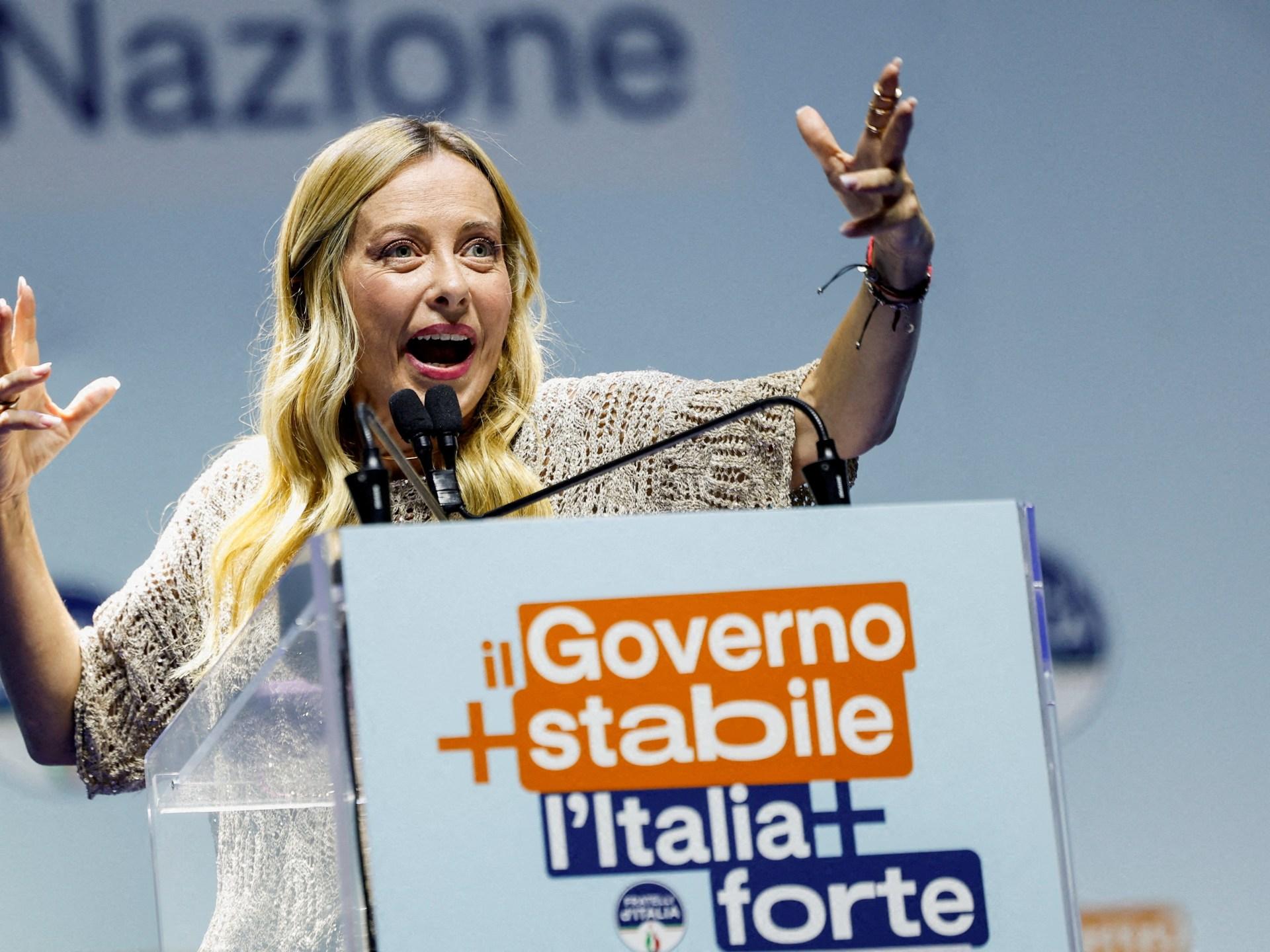
Prime Minister Giorgia Meloni clarified that the measure aims to create integrated schools without compromising on laws, noting that Italian language learning tools and banning face coverings are "logical measures that do not cause division." The government expects the law to affect approximately 1,000 classrooms representing 0.3% of total classrooms nationwide, while last academic year saw 11.2% non-citizen students.
In contrast, opponents criticized the decision, viewing it as an attempt to exploit cultural issues ahead of the upcoming elections. Left-wing Democratic Party leader Elia Sclini stated the law is "shameless" and hides the government's inability to address real school system problems. Teacher unions also attacked the measure, pointing to a lack of sufficient consultation and necessary resources for implementation in areas with high migrant population density.
Education Minister Giuseppe Valditara said local authorities will work to coordinate student distribution to avoid concentrating non-Italian-speaking pupils, while opening an exemption door for schools unable to comply and providing additional language support. School principals questioned the practical applicability given physical difficulties, while the Future party called for stricter laws against niqab in summer schools last year.
Analysis & context
Analysis & Context
Analytically, this decision represents a major political shift in Italy reflecting the rise of nationalist and right-wing currents that see linguistic and cultural identity as a cornerstone of social cohesion. Prime Minister Giorgia Meloni's statements show the government seeking a delicate balance between integration and rejecting what it calls "surrender" to other identities, making the education file a hot political battleground in the race toward upcoming elections.
In the broader context, this decision is not free of educational and social repercussions that may affect teaching quality in mixed classrooms, where data indicates non-citizen students constitute 11.2% of total Italian school students. This percentage sparked debate over how to distribute students between schools to avoid their concentration in certain classes, raising fears of turning schools into cultural rejection camps rather than places for knowledge exchange.
This stance also highlights the contradiction between official rhetoric claiming "sound logic" and criticisms from opposition parties viewing it as an attempt to hide real education system crises behind cultural slogans. President Sergio Mattarella expressed his concern about any obstacles placed in front of education, adding another layer of legal and political complexity to the issue amid the need for parliamentary and presidential approval to fully activate the law.