Sourced fact
The News
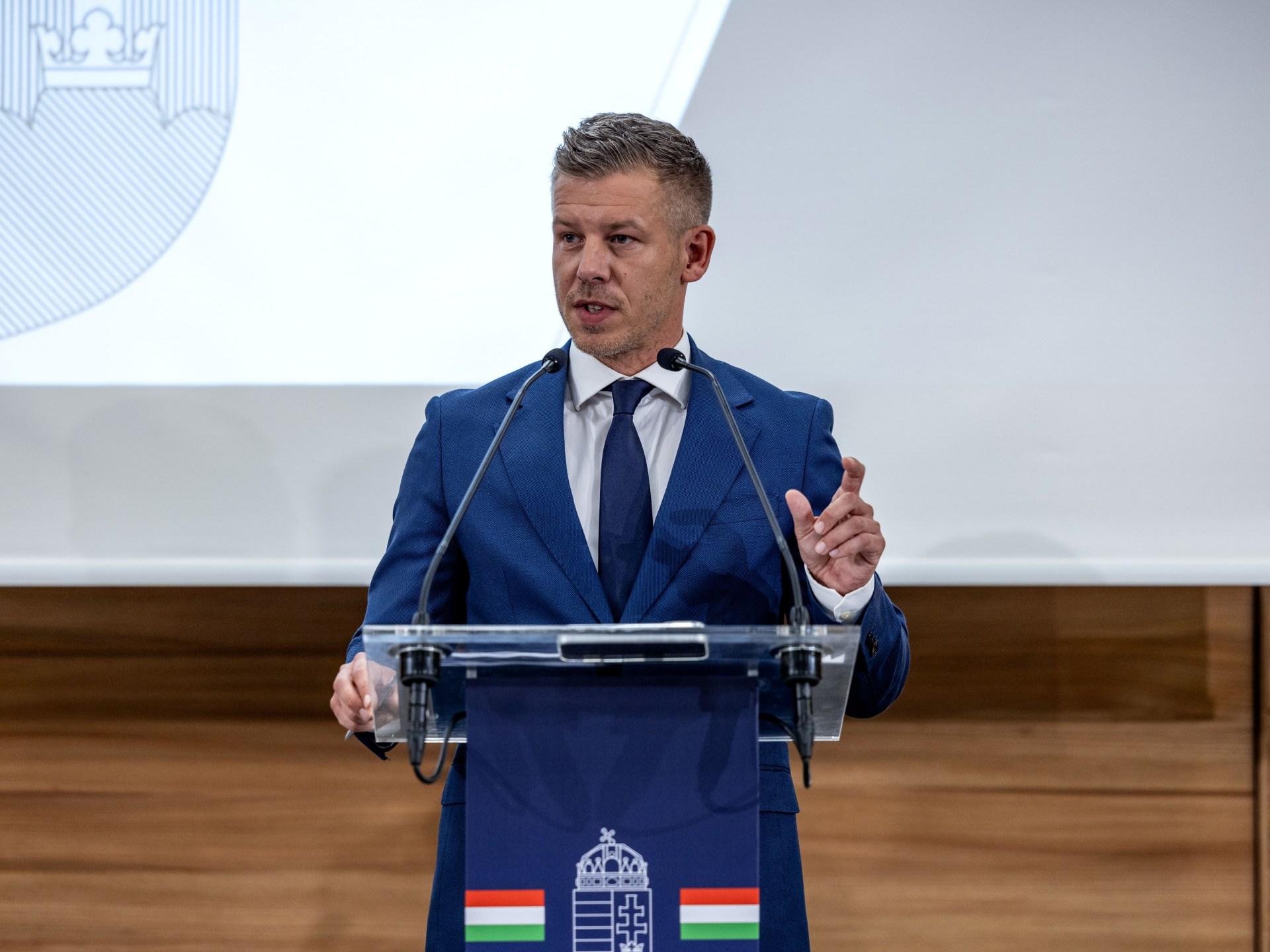
The Hungarian Parliament has lifted the legal immunity of Prime Minister Peter Magyar and two former ministers in the government of Viktor Orban, allowing the prosecution to pursue them in separate criminal cases. This decision came after Magyar himself requested the lifting of immunity to prove his innocence from accusations of "defamation." According to the investigations, the two former ministers are suspected of embezzling public funds and accepting bribes, marking the first corruption cases against high-ranking officials during Orban's 16-year tenure.
Members of Parliament overwhelmingly supported the decision, while Orban's Fidesz party and its ally KDNP abstained from the session. According to the prosecution, Magyar faces charges of theft in an incident that occurred in June 2024 at a nightclub in Budapest, where he is accused of taking a man's mobile phone and throwing it into the Danube River. Magyar described the case as a "mere political smear campaign."
Meanwhile, former Minister of Culture Balazs Hanko is facing charges of embezzling over 40 million euros of public funds, while former Minister for National Development Miklos Szilagyi is accused of receiving over $37.2 million in bribes and kickbacks related to government truck purchases and construction projects. Both have denied any involvement in these cases.
These developments come after the victory of the Tisza Party led by Magyar in the general election, which ended Orban's rule. During his campaign, Magyar promised to fight corruption, strengthen the rule of law, and improve relations with the European Union. His anti-corruption plan includes establishing a new office for asset recovery focusing on corruption during Orban's tenure.
Analysis & context
Analysis & Context
Analytically, lifting immunity from the Prime Minister and former officials marks a significant turning point in the fight against corruption in Hungary. This decision follows the recent election victory of the Tisza Party, which pledged to strengthen the rule of law and combat corruption linked to Orban's long era.
In a broader context, this event reflects ongoing challenges to democracy in Central and Eastern Europe, where some countries face difficulties in combating corruption and promoting good governance.
This decision aims to improve relations between Hungary and the European Union, as Prime Minister Magyar has pledged to rebuild these ties after years of strain due to Orban's policies.