Sourced fact
The News
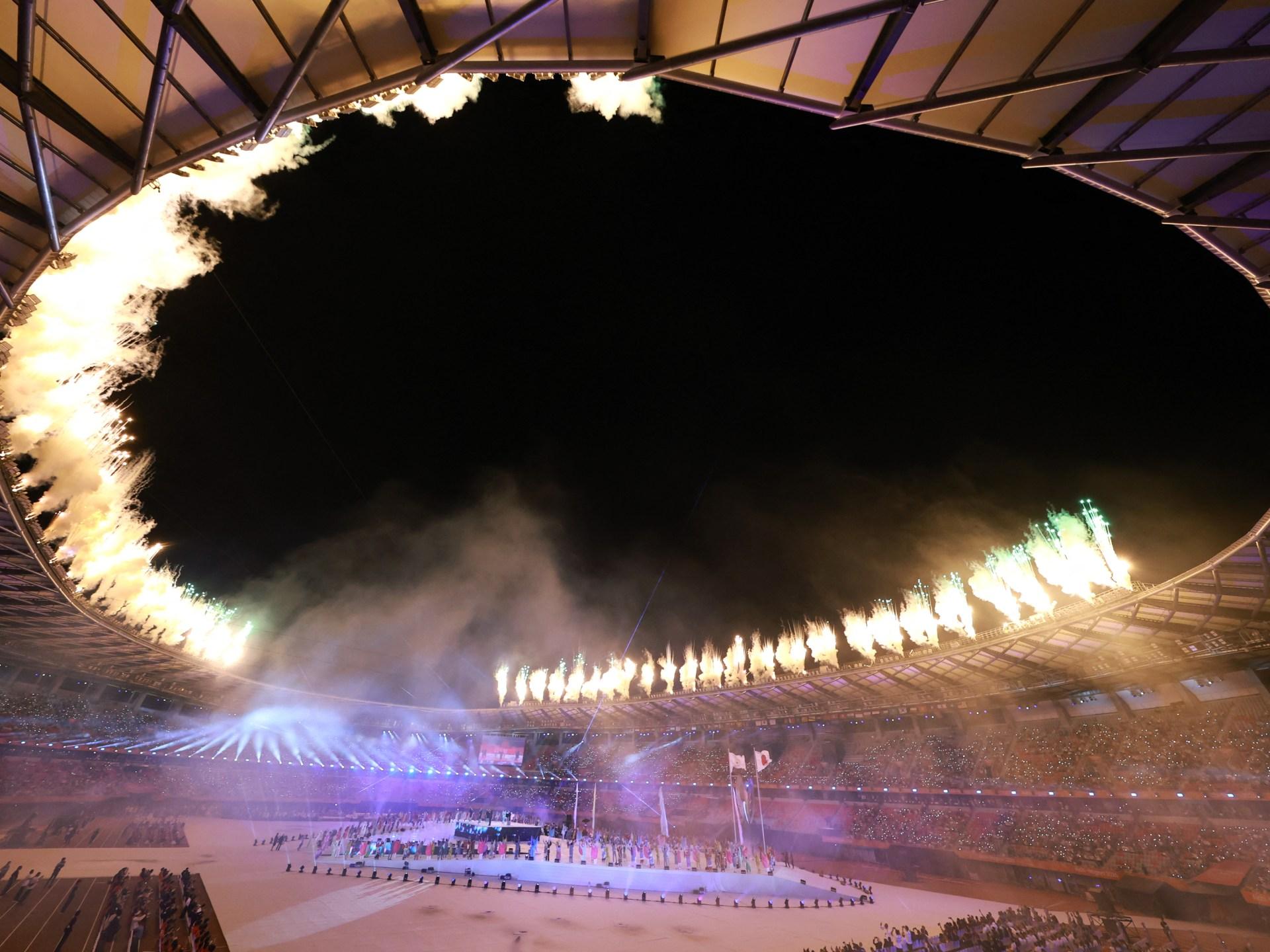
The Aichi-Nagoya Asian Games in Japan opened with a celebratory opening ceremony despite the logistical challenges faced by the organizing committee from the outset. Al Jazeera reports highlighted the event where Japanese athlete Takumi Hongo won the first gold medal of the Games in the men's individual triathlon on Sunday, following an opening ceremony that sparked controversy due to weather conditions and organizational failures.
The opening ceremonies coincided with warnings of a typhoon approaching East Japan, resulting in limited audience attendance despite 70 percent of tickets being sold, while the stadium management claimed all 30,000 seats had been sold. Hussein Al-Muslem, General Secretary of the Olympic Council of Asia, stated that they were forced to leave one field empty due to the location of the Olympic flame, while a previous water leak had flooded parts of Nagoya.
The organizing committee faced a major housing crisis, replacing the traditional athlete village with a mix of hotel rooms, temporary wooden containers, and a cruise ship to accommodate around 17,000 athletes and staff. Several international delegations, including those from South Korea and Japan, encountered housing problems due to poor organization and double bookings, while the Indian cricket committee had to book a separate hotel for its elite team after organizers lacked sufficient beds.
South Korea also faced repeated logistical issues, where the national basketball team's bus was delayed in reaching the stadium before the final, a problem that recurred with the football team whose bus also failed to arrive. In another incident, North Korea's national anthem was played instead of South Korea's during the hockey match against Bangladesh, shocking the players despite an immediate apology from the stadium announcer.
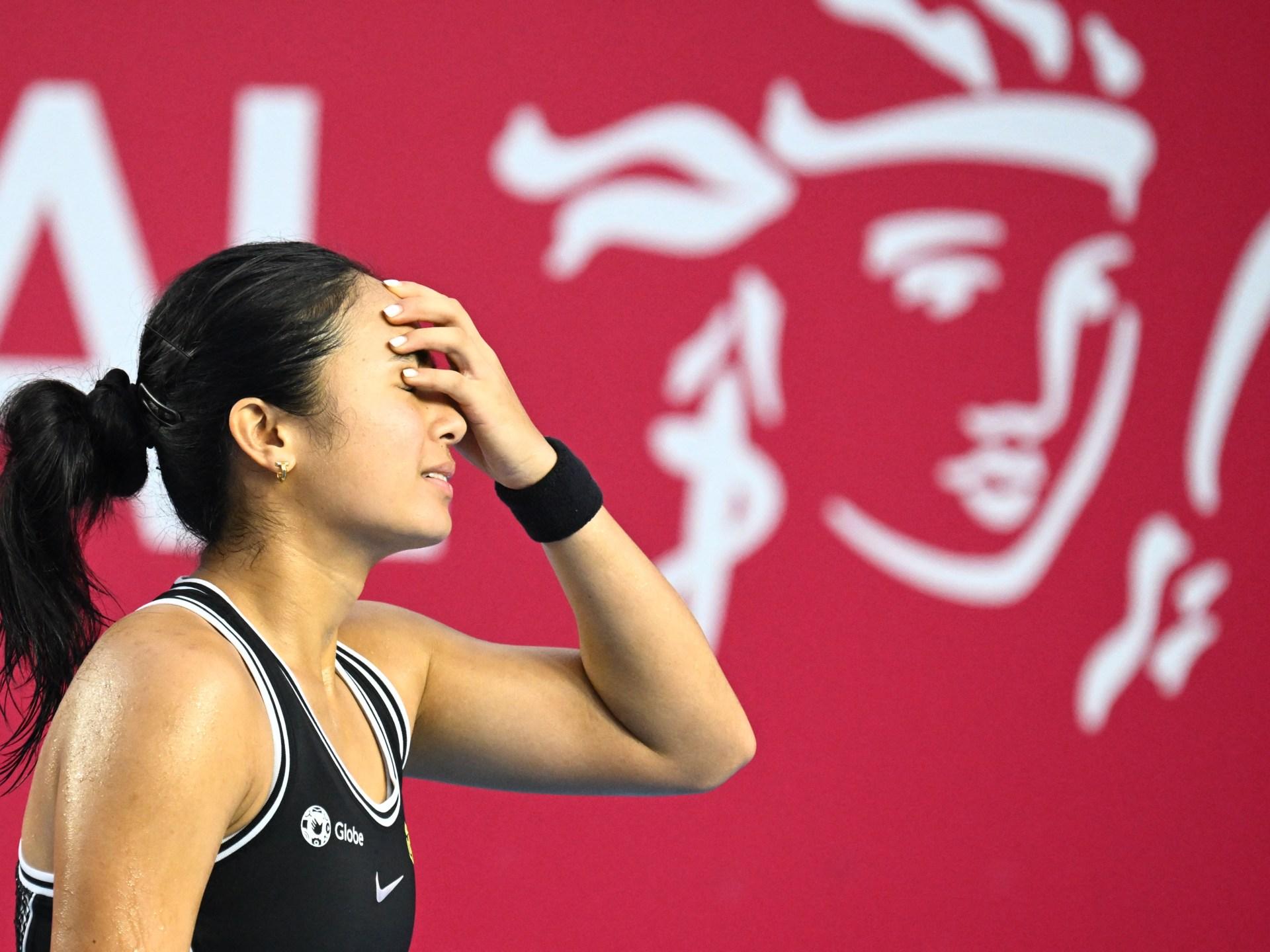
Kirsty Coventry, President of the International Olympic Committee, expressed being "very surprised" by the housing arrangements despite their problems, emphasizing that the top priority is ensuring a positive experience for competitors. The organizing committee received widespread criticism from athletes regarding poor services and transport, especially after Taiwan's delegation was temporarily barred from attending the welcome ceremony due to Sports Minister Liang's refusal to attend.
Analysis & context
Analysis & Context
From an analytical perspective, these crises point to significant organizational challenges faced by host nations when staging major sporting events, particularly when attempting to cut costs through temporary solutions that may not meet standards required for professional athletes. History has shown that major events like the Olympic or Asian Games require precise planning of infrastructure and logistics to avoid international embarrassment.
In a broader context, transport and accommodation issues in Nagoya reflect challenges facing Japanese cities grappling with aging infrastructure and shifting lifestyle patterns post-pandemic, affecting their ability to respond quickly to international sports delegations' needs. Additionally, the accelerating impact of climate change is clearly evident in the typhoon threat to the region, adding another layer of complexity to outdoor event planning.
The role of sports diplomacy emerges here, where some delegations like India attempted to solve their housing issues independently through reliance on the Japanese diaspora, reflecting how sports can serve as a platform for international cooperation even during crises. This interactive approach demonstrates the resilience of the global sports system in dealing with unexpected obstacles.
Finally, repeated transport errors such as buses failing to arrive or playing the wrong national anthem highlights the importance of intensive training for technical and administrative teams before major events to ensure smooth operations.