Sourced fact
The News
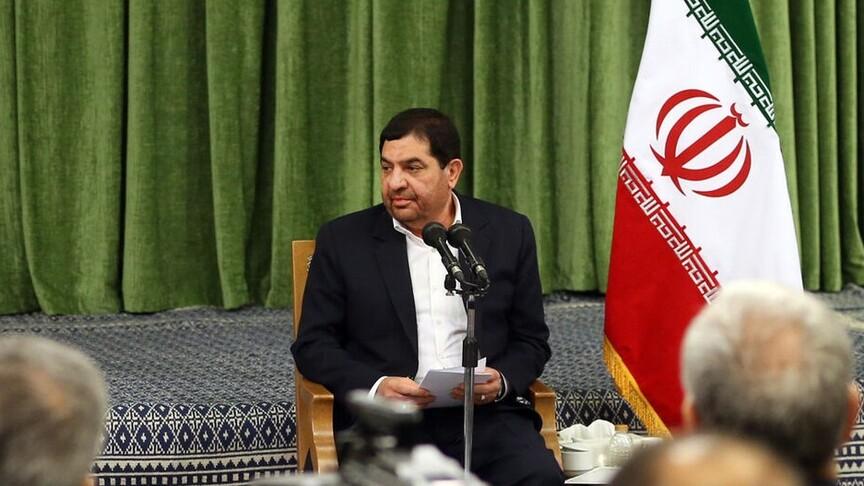
Tehran warned on Friday that air travel across the Middle East region could come to a complete standstill if regional countries continue to deny its airlines access to airspace or airport services. This explicit warning came from Mohammad Mokhber, the Supreme Advisor to the Iranian Guide, who posted it on the American platform "X," confirming that Iran's strategy in this matter is clear: aviation must be available to all or unavailable to none.
Mokhber stated that the decision by regional countries to comply with US policies hostile to Iran will be preserved in the memory of the Iranian people as a retaliatory act. He added in his tweet, which carries an implicit threat: "If Iran cannot travel by air and benefit from airport services, no country in the region can do so." These statements come after restrictions on Iranian airlines were expanded this week as part of new US sanctions targeting Tiran's international operations.
The actual implementation of these sanctions began with the suspension of all flights to and from Najaf International Airport on Friday, based on instructions from Iraqi authorities. Additionally, the United Arab Emirates suspended Iranian airline flights between the two countries on Thursday, citing US restrictions imposed on Iranian carriers. In a related development, US Treasury Secretary Scott Bessent stated this week that Iranian airline operations would stop globally as of September 23 as part of new sanctions.
Analysis & context
Analysis & Context
From an analytical perspective, Iran's response represents a strategic shift in dealing with Western pressure, where diplomatic threats are transforming into practical measures that could impact the regional economy. Mohammad Mokhber's stance indicates that Tehran views the region's countries joining US sanctions as a violation of its regional sovereignty rather than merely a transient commercial or diplomatic dispute.
In the broader context, restrictions on Iranian airlines signal an escalation in the economic war waged by the United States against Iran, aiming to isolate it economically and militarily. This step is part of broader efforts to end the conflict between Israel and Iran, as Washington attempts to pressure Tehran by limiting its logistical and mobility capabilities.
The suspension of flights at Najaf Airport and by the UAE also reflects the significant divergence in Arab countries' stances on the Iranian file, where some Gulf states adopt policies aligning with the US position out of fear of international isolation or secondary sanctions. This divergence creates an unstable environment that could lead to greater disruptions in the regional aviation market if escalation continues.
Finally, reports indicate that negotiations have stalled despite a June memorandum aiming for a final peace agreement, highlighting that disagreements over navigation in the Strait of Hormuz remain a major obstacle to any peaceful resolution. This strait is one of the most important strategic routes for global energy and commodity supplies, making any disturbance within it a threat to the economic security of oil- and gas-dependent countries.